Gyorgy Bakondi: Humanitarian Framing of Illegal Migration Has Eroded Europe's Safety

Europe’s public security situation has deteriorated significantly as European countries chose to frame illegal migration as a humanitarian issue, the Hungarian prime minister’s chief domestic security adviser Gyorgy Bakondi said Tuesday evening on the M1 public television channel.

2025. 12. 24. 16:14
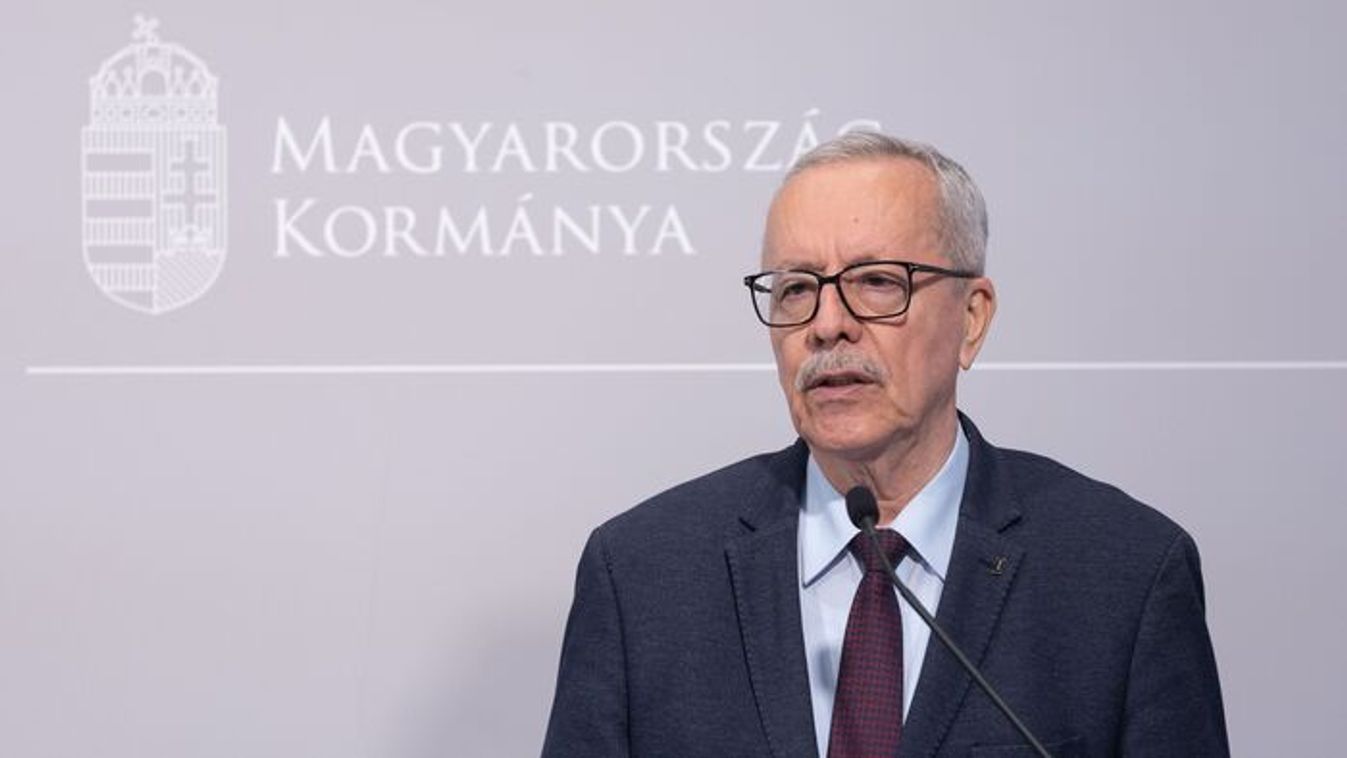
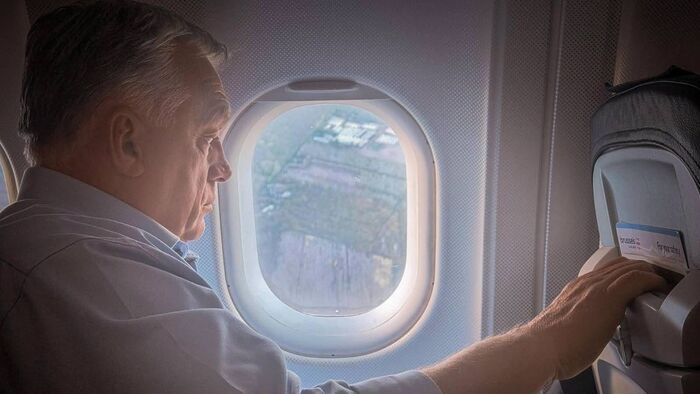
Gyorgy Bakondi, chief domestic security adviser to Prime Minister Viktor Orban (Photo: AFP)
VéleményhírlevélJobban mondva - heti véleményhírlevél - ahol a hét kiemelt témáihoz fűzött személyes gondolatok összeérnek, részletek itt.

According to Bakondi, Hungary was right to insist that Europe’s external borders must be defended and that only those migrants who are genuinely entitled to asylum should be allowed to enter. As a result, Hungary has avoided the kind of migration-related public security crisis now seen in many European countries, he said. By contrast, much of Europe treated illegal migration purely as a humanitarian matter, regardless of the fact that many of those seeking entry were brought in by human-smuggling gangs tied to organized crime. European states failed to defend their borders and did not stop them at the external frontier, the security adviser warned.

In his view, a large number of migrants disappeared before their asylum claims could even be processed. These individuals are now residing illegally in Europe, often living primarily off criminal activity or working in the black market—developments that are clearly detrimental to public order across the continent.

Bakondi noted that nation-states are now scrambling for solutions. Italy, for example, is transferring illegal arrivals to Albania, where their asylum applications are processed. Denmark, Austria, and the Netherlands are also considering similar arrangements.

Despite this, the European Union has come up with a different plan: redistributing migrants from countries facing heavy inflows to other EU member states under the banner of “solidarity,” 

Bakondi added.

Under this scheme, Hungary is required to build a camp capable of housing 30,000 illegal migrants and accept those assigned to it, or alternatively pay its way out—contributing the equivalent of 8 million forints per migrant into a solidarity fund. The only exception would be if a “crisis situation” were declared—something determined by EU leaders in Brussels —in which case countries would no longer be allowed to opt out financially and would be forced to take migrants in regardless, he explained.

Bakondi stressed that 

this would effectively nullify all the efforts Hungary’s government has made since 2015 to curb illegal migration and would quickly lead to the kind of conditions now widespread across Western Europe.

He also argued that the EU would be well advised to consult with the United States on migration policy and, after exchanging experiences, adopt decisions similar to those already taken by Washington. By way of example, he noted that during the previous U.S. administration, millions of people entered the country illegally—many of whom pursued criminal lifestyles—but the United States is now deporting large numbers of those unlawfully present.

Cover photo: Gyorgy Bakondi, chief domestic security adviser to Prime Minister Viktor Orban (Photo: AFP)

Komment

Összesen 0 komment

A kommentek nem szerkesztett tartalmak, tartalmuk a szerzőjük álláspontját tükrözi. Mielőtt hozzászólna, kérjük, olvassa el a kommentszabályzatot.


Jelenleg nincsenek kommentek.

Szóljon hozzá!

Jelenleg csak a hozzászólások egy kis részét látja. Hozzászóláshoz és a további kommentek megtekintéséhez lépjen be, vagy regisztráljon!

A téma legfrissebb hírei

Tovább az összes cikkhez chevron-right

Ne maradjon le a Magyar Nemzet legjobb írásairól, olvassa őket minden nap!

Google News
A legfrissebb hírekért kövess minket az Magyar Nemzet Google News oldalán is!

Címoldalról ajánljuk

Tovább az összes cikkhez chevron-right

Portfóliónk minőségi tartalmat jelent minden olvasó számára. Egyedülálló elérést, országos lefedettséget és változatos megjelenési lehetőséget biztosít. Folyamatosan keressük az új irányokat és fejlődési lehetőségeket. Ez jövőnk záloga.