The ministry’s statement noted that FM Szijjarto addressed the plenary session of the Organization for Security and Co-operation in Europe (OSCE), where he first emphasized that as Ukraine’s direct neighbor, Hungary has been paying a steep price for a war in which it bears no responsibility.

He stressed that this is why the Hungarian government consistently advocates for a cease-fire and peace negotiations—a stance that has drawn heavy political attacks against the country on the international stage.
Peter Szijjarto argued that Europe’s efforts have been a total failure: sanctions have caused severe damage to the continent, the war has globalized, and the foundations of Europe’s economic growth have collapsed.
At the same time, he welcomed President Donald Trump's peace initiatives, saying they offer real hope for the return of stability in Central Europe. He reiterated that Hungary supports every effort aimed at restoring peace.
We are doing everything we can to contribute to successful preparations—something clearly reflected in the Hungarian prime minister’s recent visits to Washington and Moscow. And… we stand ready to host peace talks, which we hope can begin soon,
he said.
The foreign minister criticized attempts to undermine peace efforts and warned against obstructing diplomatic solutions. He spoke out against the renewed division of the world into opposing blocs, noting that Hungary lost enormously under the blocification during the Cold War, and insisted that the world must return to mutually respectful and mutually beneficial cooperation. A revival of civilized East–West cooperation, he said, would significantly improve global security.
Not so long ago, a former German chancellor spoke about an economic cooperation area stretching from Lisbon to Vladivostok… But now, unfortunately, it is clear that the European Union has essentially isolated itself in global politics,
he stated.
He pointed to deteriorating relations with the United States, harmful sanctions against Russia, and Brussels’ declaration of China as a systemic rival.
Foreign Minister Szijjarto stressed that these approaches are harmful and dangerous—and this is one of the main reasons why Europe no longer has a seat at the table where the continent’s most important conflicts are being resolved.
As a positive counterexample, he cited Hungary, which has become a meeting point for Eastern and Western companies, cooperating without hindrance.
We see this as a normal, common-sense model of international division of labor. And any artificial obstacles to this run counter to basic reason,
he said.
We stand for less ideology and more common sense. Less lecturing and more mutual respect. Less moral grandstanding and more genuine attention to one another. I am convinced that if we return to these foundations, we can overcome the enormous challenges that have long stood before us,
he concluded.
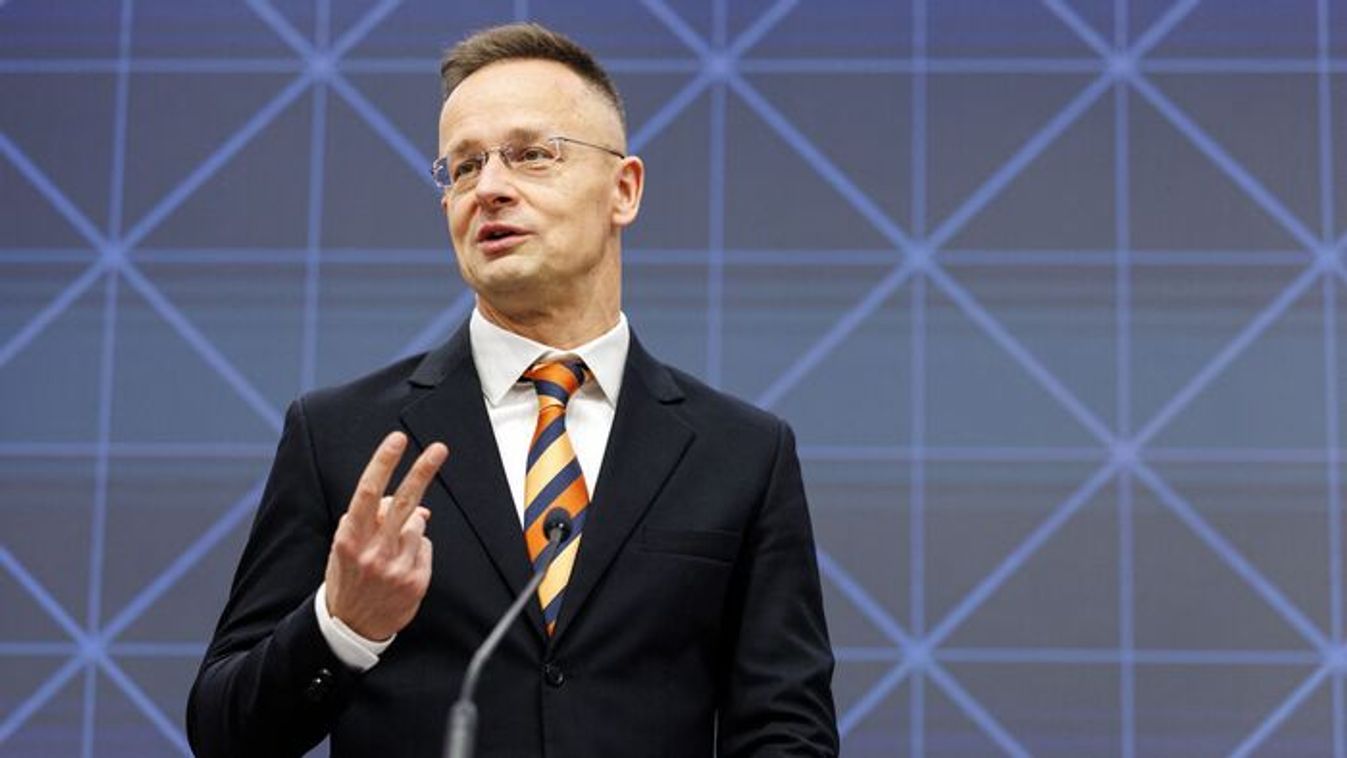
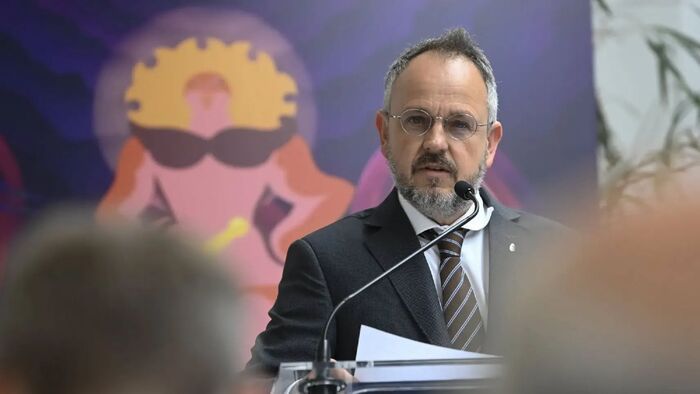
Cover photo: Peter Szijjarto, Hungary's Minister of Foreign Affairs and Trade (Photo: AFP)


Szóljon hozzá!
Jelenleg csak a hozzászólások egy kis részét látja. Hozzászóláshoz és a további kommentek megtekintéséhez lépjen be, vagy regisztráljon!