Hungary FM: 2025 Year of EU's Isolation

This year has been one of isolation for the European Union, with the community no longer playing a role in global politics, and all of Brussels’ frustration with Hungary stems from this sidelined position, said Hungarian Minister of Foreign Affairs and Trade Peter Szijjarto on Monday in Budapest.

2025. 12. 02. 14:29
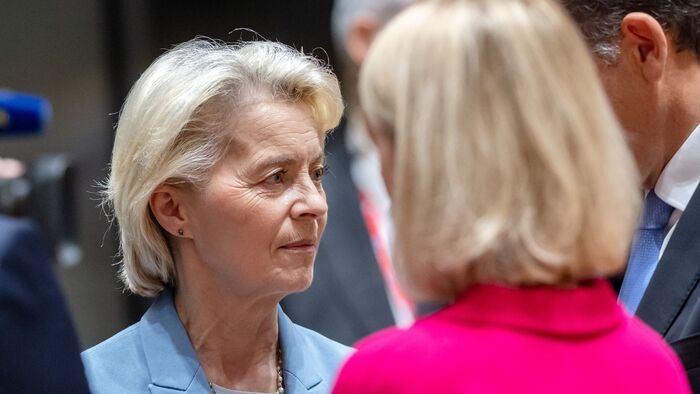
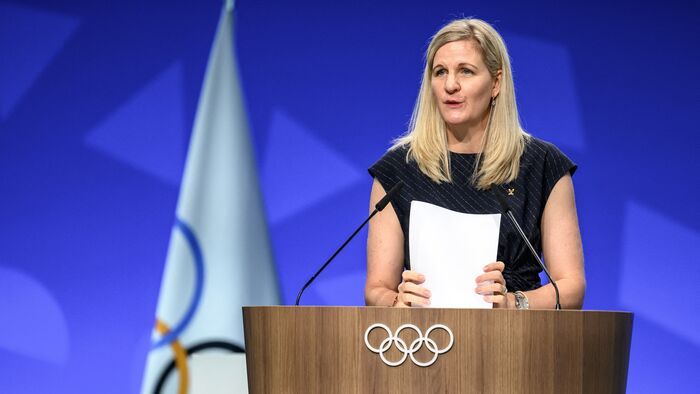
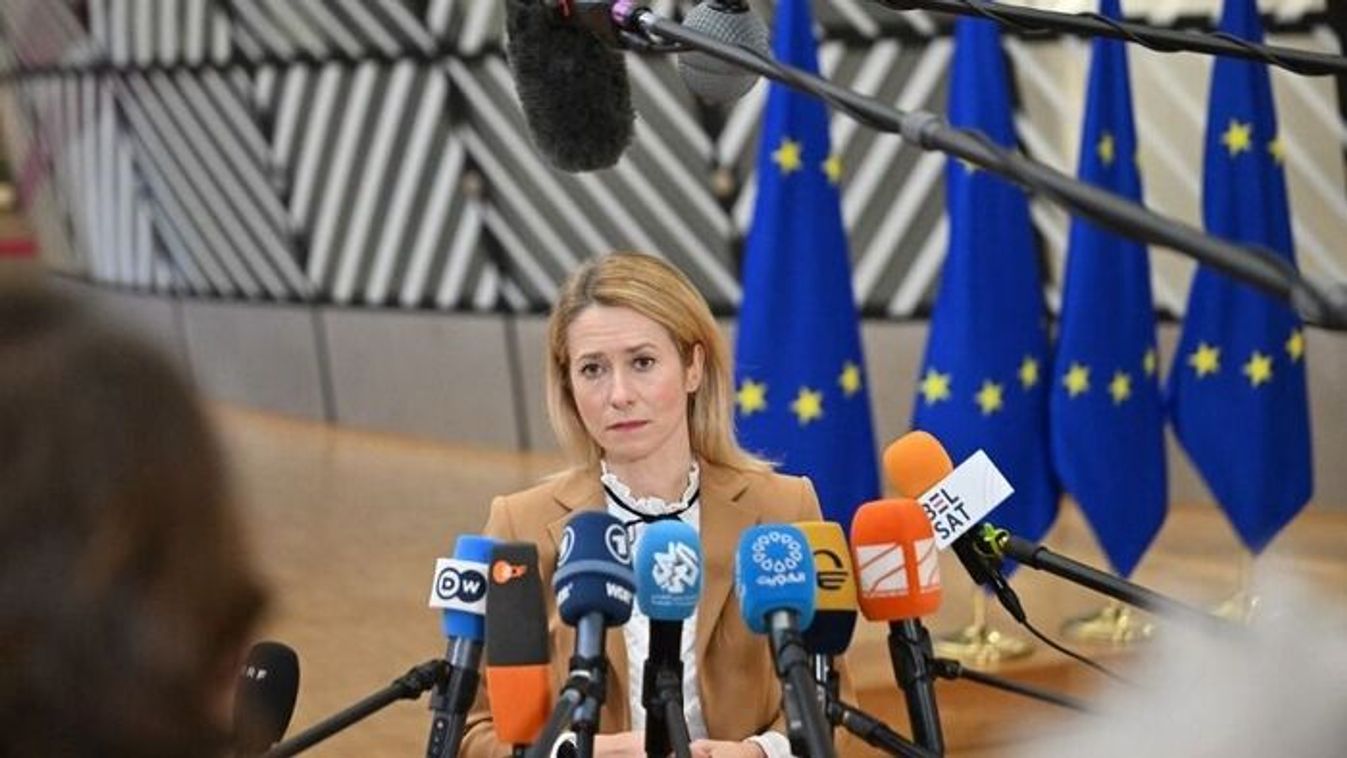
Kaja Kallas ahead of a European Union meeting (Photo: AFP)
VéleményhírlevélJobban mondva - heti véleményhírlevél - ahol a hét kiemelt témáihoz fűzött személyes gondolatok összeérnek, részletek itt.

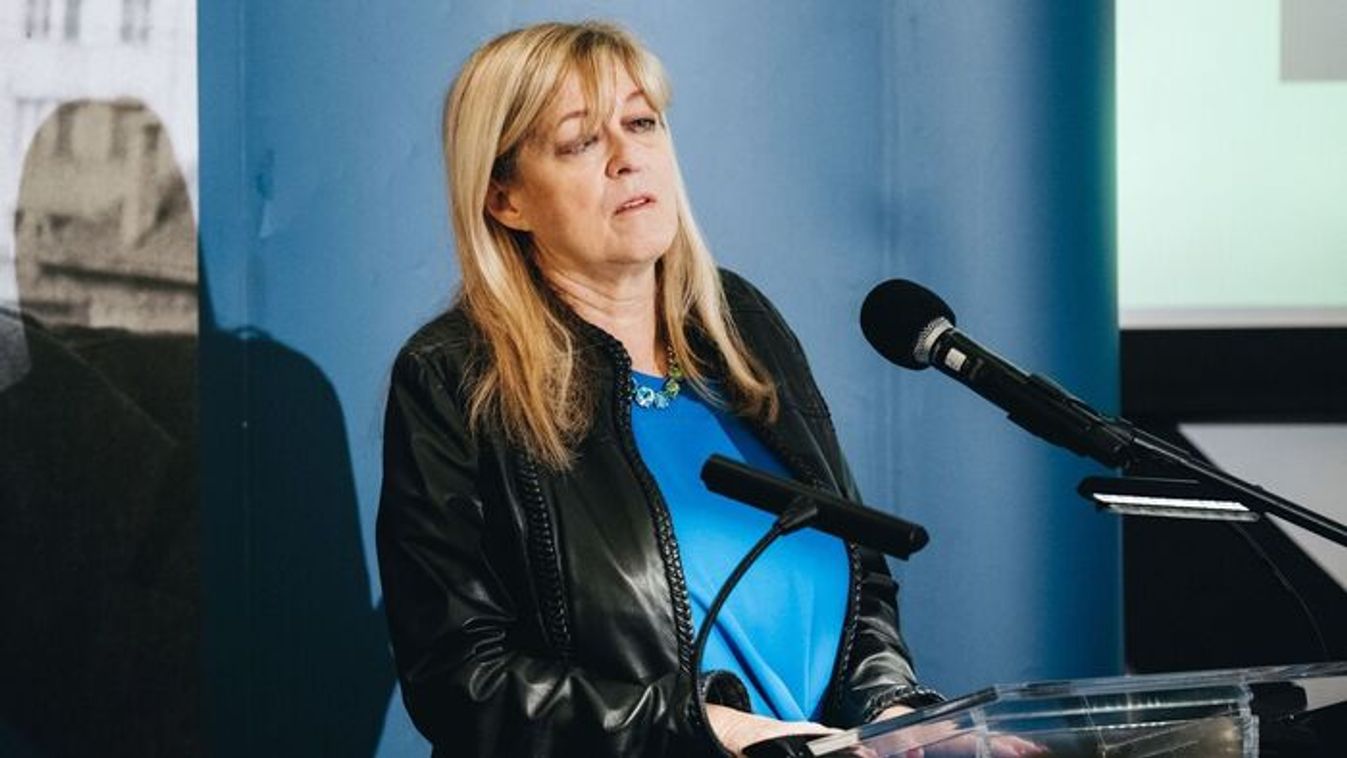
According to the ministry’s statement, speaking at a hearing of the National Assembly's Foreign Affairs Committee, Peter Szijjarto first underlined that 2025 was a year of isolation for the European Union, with the community having no role in managing the conflicts taking place on the continent, and that Brussels is clearly no longer a player in global politics.

Szijjártó Péter
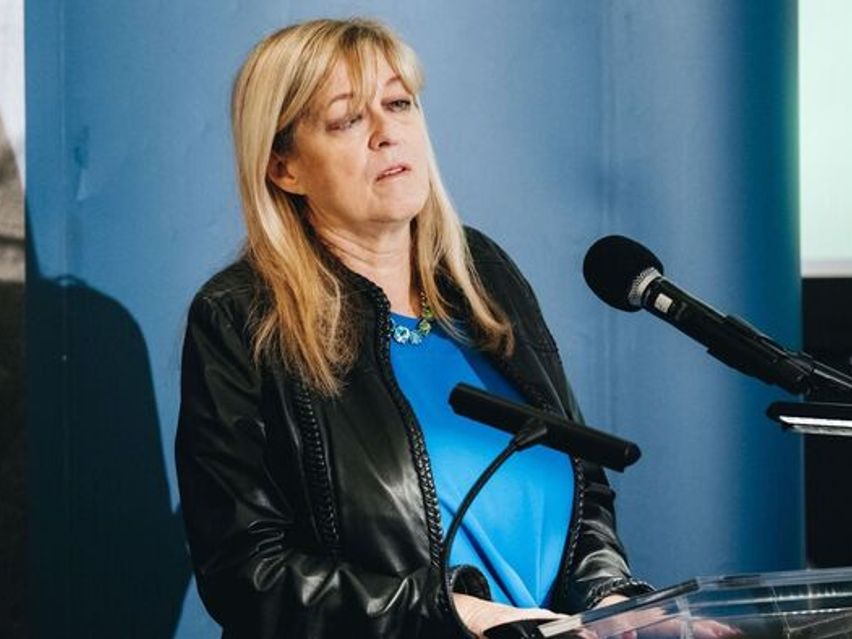
Peter Szijjarto, Hungary's Minister of Foreign Affairs and Trade (Photo: NurPhoto/Jakub Porzycki)

Brussels being sidelined like this explains all the frustrations reflected in European remarks that show that they don't know what to do about the leader of a central European country not asking Western Europe for permission to pursue a foreign policy based on national interests,

he opined.

He also stated that this was the outcome of Brussels’ foreign policy, which is "overly ideological and based on illusions and political bias."

Today, the European Union is pursuing a foreign policy strategy that is pro-war, pro-migration, and pro-gender, thereby completely isolating itself in global politics,

he said. He then emphasized that mainstream liberal politicians had been competing for years to see who could make the crudest remarks about U.S. President Donald Trump, so it was no surprise that the European Union ultimately only managed to conclude an extremely unfavorable tariffs agreement with the United States. According to him, isolation from China has also increased, which the European Commission has described as a systemic rival, thereby "crossing all boundaries," as it is not the system that should be competed with, but rather fruitful cooperation should be built, as evidenced by the example of Hungary. In this context, he criticized the forceful interference in the division of labor within the global economy and in the normal cooperation between Eastern and Western countries.

Peter Szijjarto also addressed the sanctions against Russia, which he said have dismantled the EU’s economic growth model based on combining advanced Western technologies with cheap Eastern energy sources, and nothing has replaced it.

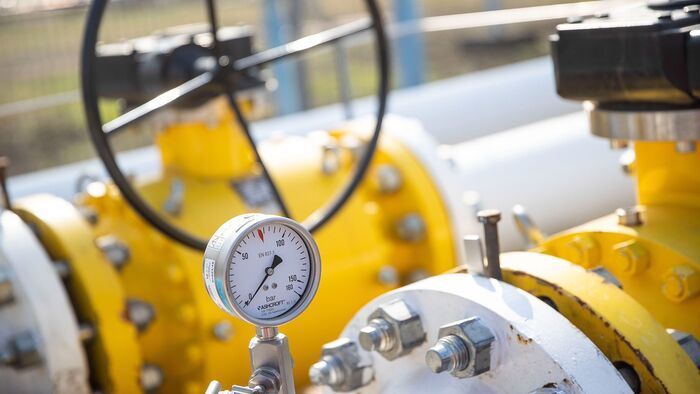
In my view, it is not an answer that in Europe today we pay two to three times more for gas than economic actors in the United States, and it is not an answer that European companies pay four to five times more for electricity than their Chinese counterparts,

he stated. "Nineteen sanctions packages have been adopted in four years, and the Russian economy has still not been forced to its knees […] Meanwhile we have caused Europe enormous problems, for example driving energy prices sky-high," he warned. He also noted that the EU has isolated itself from numerous African and Asian countries by failing to conclude free trade and investment protection agreements with them, consistently trying to force unrelated ideological issues into such deals.

What does Brussels’ gender ideology have to do with trade cooperation? Time and again, such ideologized questions kill agreements that would serve the EU’s interests,

he pointed out. The minister then stated that U.S. President Donald Trump’s peace plan represents a huge opportunity to end the war in Ukraine, which has been going on for almost four years. "We Hungarians lend full-fledged support to this fully but let's not be naive. The Europeans will do everything they can to undermine this, just as they have undermined  all peace efforts so far," he said. Finally, he pointed out that if a diplomatic settlement is not achieved, the situation will continue to deteriorate day by day, more people will die, and the destruction will be even greater.

I believe the time has come for Europeans to stand on the side of peace. And here is Hungary, here is Budapest as the venue for peace talks […] Both the American and the Russian presidents have made it clear to the prime minister that preparations are under way, and as soon as the situation allows a summit to conclude with an agreement, they will come to Budapest,

he added. He also promised that the Hungarian government would continue to pursue a patriotic foreign policy, focusing exclusively on national interests.

Earlier, Magyar Nemzet also reported that in a post on his social media page, Minister of Foreign Affairs and Trade Peter Szijjarto made clear that Hungary pursues a sovereign foreign policy and that all decisions are determined exclusively by national interests.

Cover photo: Kaja Kallas ahead of a European Union meeting (Photo: AFP)

A téma legfrissebb hírei

Tovább az összes cikkhez chevron-right

Ne maradjon le a Magyar Nemzet legjobb írásairól, olvassa őket minden nap!

Google News
A legfrissebb hírekért kövess minket az Magyar Nemzet Google News oldalán is!

Komment

Összesen 0 komment

A kommentek nem szerkesztett tartalmak, tartalmuk a szerzőjük álláspontját tükrözi. Mielőtt hozzászólna, kérjük, olvassa el a kommentszabályzatot.


Jelenleg nincsenek kommentek.

Szóljon hozzá!

Jelenleg csak a hozzászólások egy kis részét látja. Hozzászóláshoz és a további kommentek megtekintéséhez lépjen be, vagy regisztráljon!

Címoldalról ajánljuk

Tovább az összes cikkhez chevron-right

Portfóliónk minőségi tartalmat jelent minden olvasó számára. Egyedülálló elérést, országos lefedettséget és változatos megjelenési lehetőséget biztosít. Folyamatosan keressük az új irányokat és fejlődési lehetőségeket. Ez jövőnk záloga.