Ukraine in Crosshairs: Russia–Ukraine Legal Battle Enters a New Dimension

The United Nations' International Court of Justice (ICJ) has admitted Russia’s counterclaim against Ukraine, marking a significant development in the legal assessment of events in the Donbas. According to the decision, both sides’ claims are based on the same set of facts and on the same legal basis, resulting in a consolidated evidentiary phase. The ICJ will examine the events in Donetsk and Luhansk in detail, specifically in the context of Ukraine’s responsibility, Zoltan Lomnici Jr. told Magyar Nemzet.

2025. 12. 11. 14:48
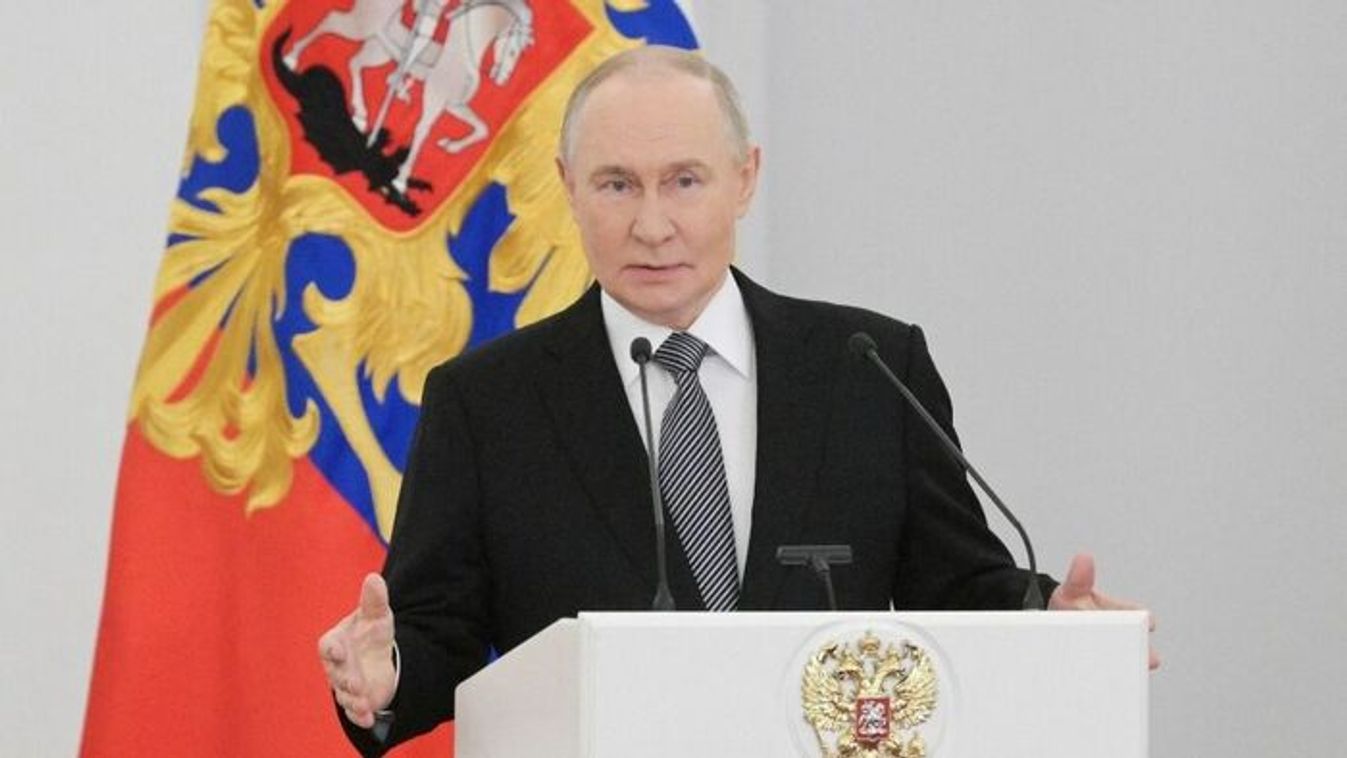
Russian President Vladimir Putin (Photo: AFP)
VéleményhírlevélJobban mondva - heti véleményhírlevél - ahol a hét kiemelt témáihoz fűzött személyes gondolatok összeérnek, részletek itt.

The United Nations' International Court of Justice (ICJ) has admitted Russia’s counterclaim against Ukraine, which is based on the 1948 Genocide Convention. The decision may bring a major turning point in the legal assessment of the events in the Donbas. According to Zoltan Lomnici Jr., scientific director at the Szazadveg Foundation, Russia’s counterclaim was admissible because it met the requirements of Article 80 of the ICJ Rules of Court, and it relied on the same Article IX of the Genocide Convention and the same factual complex of the Donbas as Ukraine’s original application. The decision aligns with previous court practice, including the Bosnia–Yugoslavia case (1997), where directly related counterclaims were also deemed admissible.

Ifj. Lomnici Zoltán alkotmányjogász elmondta, hogy az ICJ döntése után Ukrajna kétfrontos bizonyítási kényszer alá került
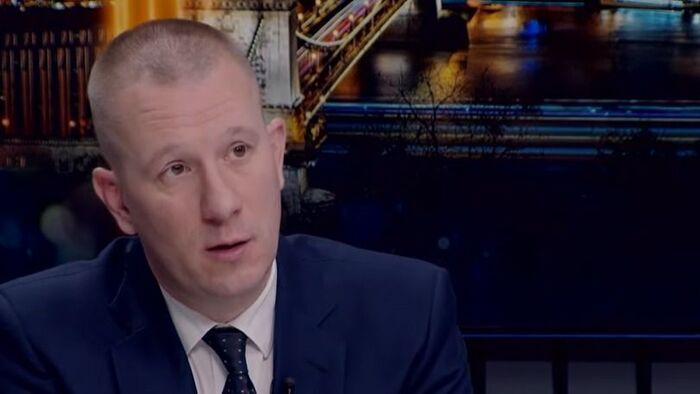
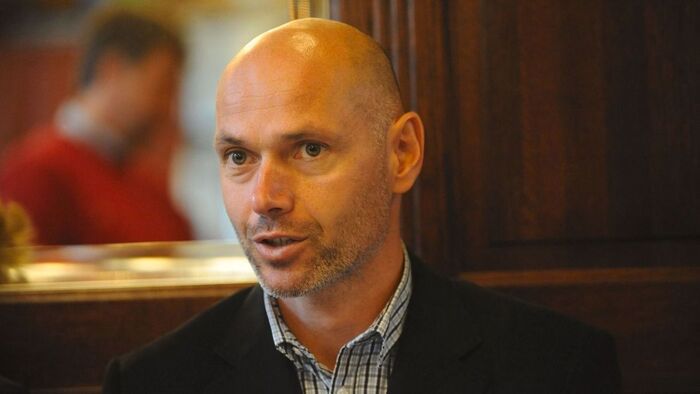
 Following the ICJ’s decision, Ukraine now faces a dual evidentiary burden, constitutional lawyer Zoltan Lomnici Jr. explained (Photo: MTI/Zsolt Szigetvary)
 

Ukraine Under Evidentiary Pressure

Its precedential value lies in the fact that the court considered the events in Donetsk and Luhansk suitable for independent examination. This means that Moscow’s claims have become an integral part of the proceedings and were not pushed into the background,

the expert stressed. He then explained that the admission of the counterclaim weakens Ukraine’s narrowed litigation strategy, which—following the 2024 ruling on preliminary objections—rested solely on the argument that it did not commit genocide in the Donbas. Now, however, Ukraine must not only prove the absence of genocide, but must also respond substantively to Russian allegations that de facto acts of genocide were committed against the local population. Because the two cases share the same factual basis, Moscow can rely on the same body of evidence, which creates an objective procedural advantage.

Ukraine has therefore come under a two-front evidentiary burden.

According to the analyst, the fact that both applications focus on Ukraine’s conduct and are based on the same legal foundation results in a consolidated evidentiary process. This follows the logic of the Oil Platforms case (1998), in which the ICJ noted that counterclaims serve better administration of justice. Owing to the shared factual matrix, the evidence will be more extensive and proceedings will be longer, as reflected in the deadlines set by the court (Ukraine: December 7, 2026; Russia: December 7, 2027). Ukraine’s defense cannot be separated from Russia’s claims, meaning it must refute both simultaneously, significantly increasing the burden on Kyiv.

A New Political Instrument for Moscow

The scientific director emphasized that Moscow can now assert that its claims are being examined by an international court, which found the counterclaim procedurally well-founded by a margin of 11 to 4. This in itself enhances the international legitimacy of Russia’s arguments and undermines the Ukrainian diplomatic narrative that Russia’s claims are baseless.

This process gives Moscow the opportunity to present actions against the population of the Donbas within a legal framework, rather than as mere political allegations,

he highlighted. The court’s decision therefore provides Russia with diplomatic room for maneuver, especially among states sensitive to to the protection of minority rights. Meanwhile, Russia’s position may strengthen as the focus of the case shifts legally as well toward Ukraine’s conduct.

According to Lomnici, the admission of the counterclaim means that in the coming years the ICJ will examine the events in Donetsk and Luhansk in detail, specifically regarding Ukraine’s responsibility. This will significantly prolong both the process and its timeline, following the pattern of earlier counterclaim cases (e.g., Congo–Uganda, 2001). Diplomatically the weight of the matter will increase, as more than thirty states have already intervened, ensuring strong international attention.

The final legal outcome remains unpredictable today, but what is certain is that the court is no longer examining only Ukraine’s allegations, but the entire factual complex of events in the Donbas,

 the expert concluded.

Cover photo: Russian President Vladimir Putin (Photo: AFP)

A téma legfrissebb hírei

Tovább az összes cikkhez chevron-right

Ne maradjon le a Magyar Nemzet legjobb írásairól, olvassa őket minden nap!

Google News
A legfrissebb hírekért kövess minket az Magyar Nemzet Google News oldalán is!

Komment

Összesen 0 komment

A kommentek nem szerkesztett tartalmak, tartalmuk a szerzőjük álláspontját tükrözi. Mielőtt hozzászólna, kérjük, olvassa el a kommentszabályzatot.


Jelenleg nincsenek kommentek.

Szóljon hozzá!

Jelenleg csak a hozzászólások egy kis részét látja. Hozzászóláshoz és a további kommentek megtekintéséhez lépjen be, vagy regisztráljon!

Címoldalról ajánljuk

Tovább az összes cikkhez chevron-right

Portfóliónk minőségi tartalmat jelent minden olvasó számára. Egyedülálló elérést, országos lefedettséget és változatos megjelenési lehetőséget biztosít. Folyamatosan keressük az új irányokat és fejlődési lehetőségeket. Ez jövőnk záloga.