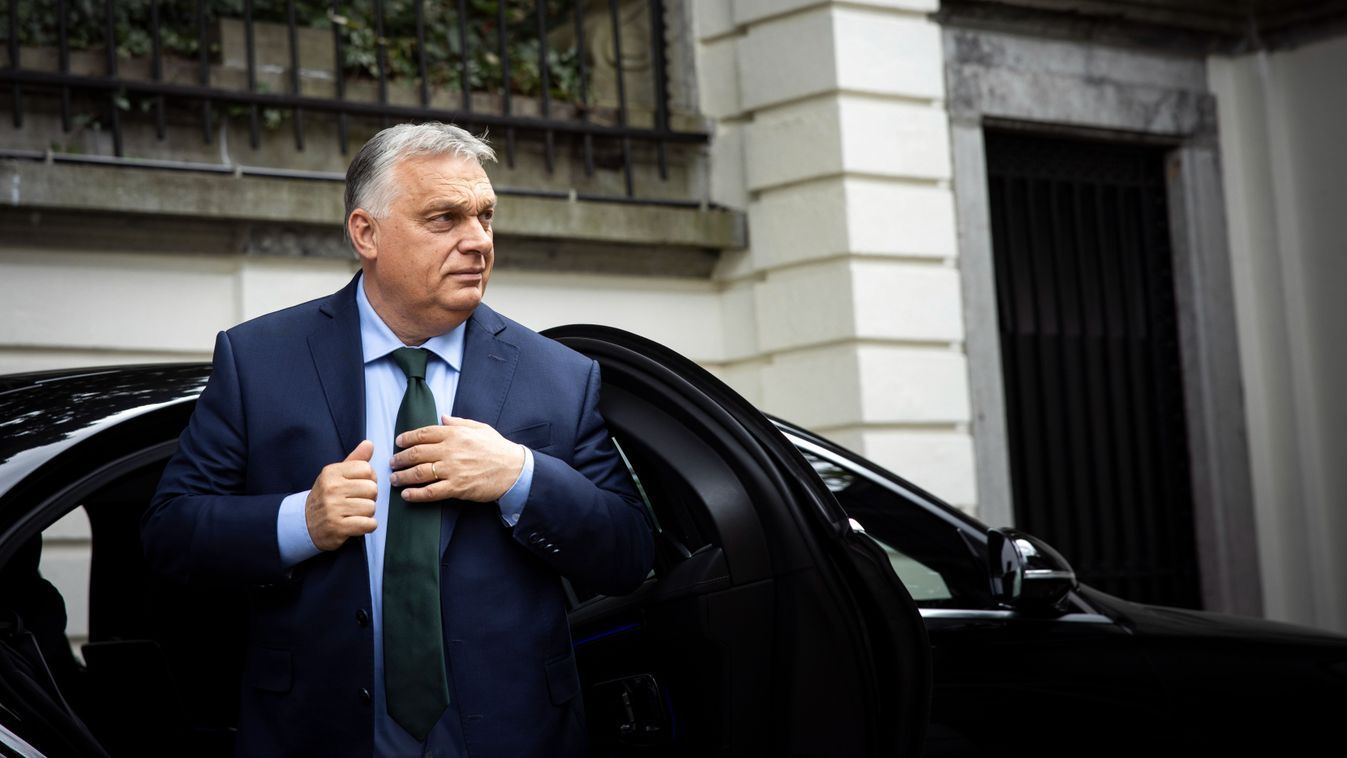
He added that Hungary withstood pressure on migration and child protection precisely because the government relied on referendums and clear democratic mandates.
Why Are Farmers Protesting?
Turning to EU agricultural policy, Hungary's PM said farmers and rural Europe are the main victims of Brussels’ green agenda.
The immediate trigger for current farmer protests, he explained, is the EU’s next seven-year budget.
“Farmers see it clearly—and they are right—that their funding is being cut,” Orbán said. “The European Union wants to spend far less on agriculture and rural areas over the next seven years than it has in the past.”
While Ukraine may need financial support, he added, it must not come out of farmers’ pockets.
The PM warned that repayment of the EU’s Next Generation loan alone will consume 10 percent of the bloc’s budget. Combined with funding earmarked for Ukraine, as much as 30 percent of the EU budget would be unavailable for other purposes. Frozen Russian assets would serve as collateral for further borrowing, enabling even more funds to be sent to Ukraine.
“But in the end, someone will have to pay,” PM Orban said. “What the EU is doing now is nothing less than indebting Europe’s children and grandchildren for decades. They don't seem to care. I do.”
He warned that shared debt inevitably means fewer national competences and leads toward a “United States of Europe.” This, he argued, is precisely how the United States itself was formed—through common borrowing that states could no longer escape. War, he said, is the perfect pretext to dismantle national sovereignty and push toward a European superstate.