PM Orban: Flames of Corruption Consume Brussels + Video

The Hungarian prime minister says the coming days will reveal whether the war comes closer to Europe.

2025. 12. 05. 10:31
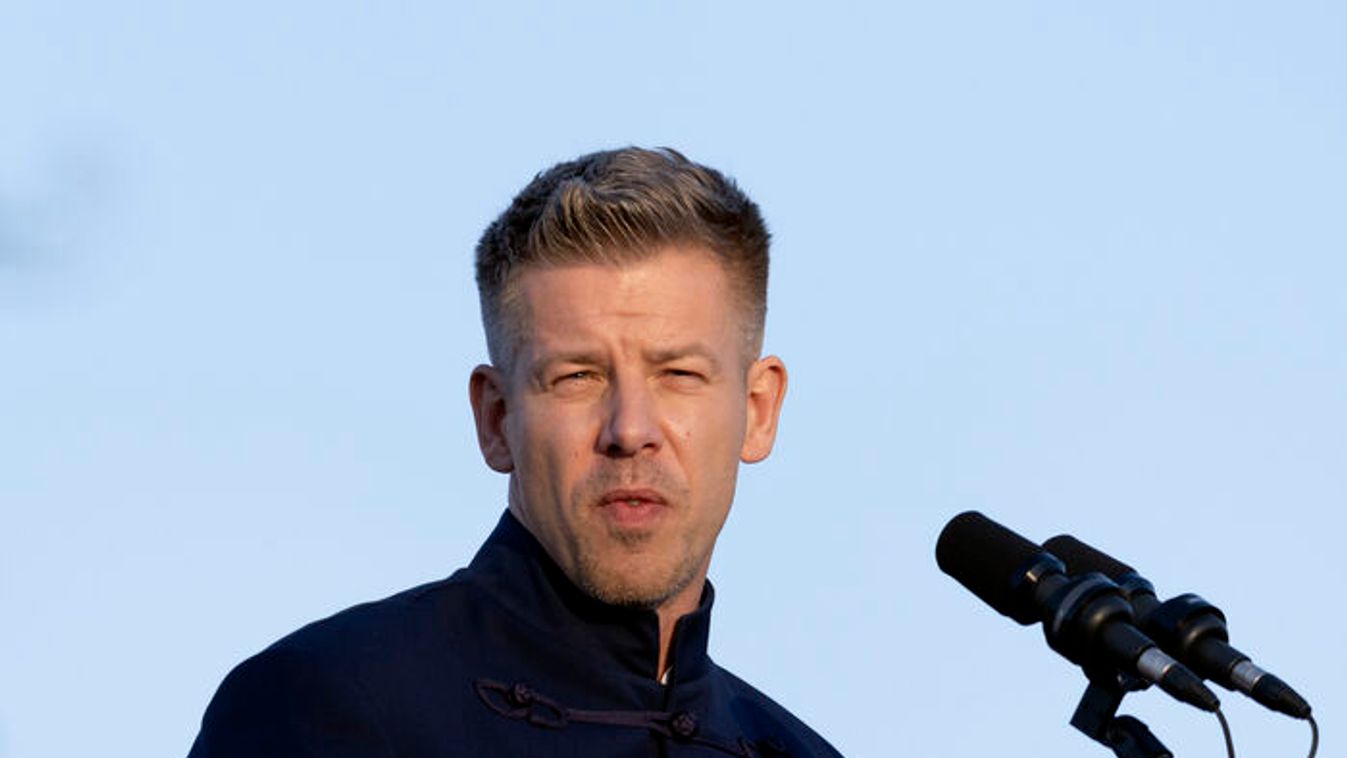
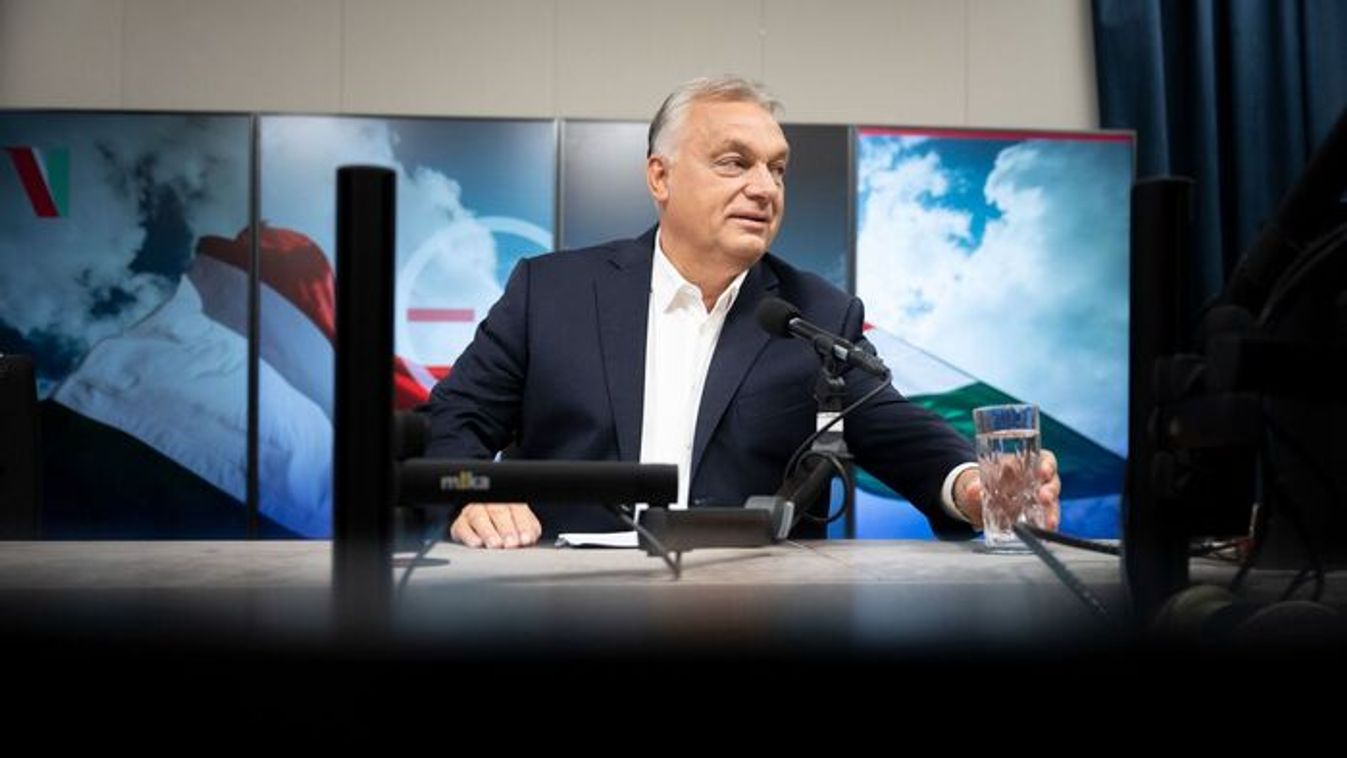
Hungary's Prime Minister Viktor Orban in the Kossuth Radio studios (Photo: Prime Minister’s Press Office / Vivien Cher Benko)
VéleményhírlevélJobban mondva - heti véleményhírlevél - ahol a hét kiemelt témáihoz fűzött személyes gondolatok összeérnek, részletek itt.

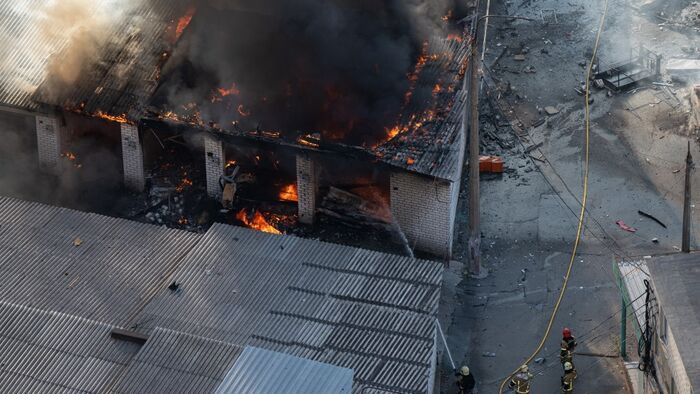
“Those who have power act; those who don’t simply talk. The Russians and the Americans are negotiating, making deals. The Europeans, meanwhile, are left out and just chatter,” PM Orban said on Kossuth Radio’s Good Morning, Hungary! program. According to the prime minister, we are living through a dangerous moment—just as we have been for the past four years, though there have been different phases. In the next few days, he said, it will become clear whether the war will move closer to Europe or whether the flames of conflict will be turned down.

If the Russian–American talks succeed, the temperature will go down. We won’t be out of the water, but the risk will be smaller. If the Europeans get their way, the war will move closer to us and the threat will grow,

Viktor Orban warned.

A Crucial Meeting in Belgium

Mr. Orban indicated that today a key meeting will take place in Belgium. The German chancellor will attend, and perhaps even the president of the European Commission. Their goal, he said, is to pressure the Belgium's president to seize Russian assets and use them to finance the war—keeping the fighting going on the battlefield. If Belgium resists, Europe’s leaders will be forced to admit that there is no money and that they must back the Americans.

Belgium, he explained, is in a unique position because the frozen Russian assets are held there. Wealthy countries tend to keep their foreign currency reserves abroad, and Russia did the same—reserves that now sit frozen.

This has never happened before. And EU leaders are misleading Europeans by claiming the war isn't costing them a penny because it will all be covered from Russian assets. Now it’s becoming clear that the Belgians aren’t willing to bear the risk. If they were to go along with the plan and lose in an international court, they’d be bankrupted,

PM Orban explained.

Speaking about the Ukrainian corruption scandal, the prime minister added that “the flames of corruption are burning in Brussels as well.”

“The Belgian MEP responsible for rule of law—who for years has used me as a door mat and has constantly been attacking Hungary—is now facing corruption charges. The European Union and its Parliament are drowning in corruption,” he remarked.

Tragic Consequences

On the topic of energy, PM Orban stressed that everyone in Hungary understands the stakes: the halting of Russian gas and oil would have catastrophic consequences. Some estimates say utility costs would triple or even three-and-a-half fold. The prime minister said his government managed to ensure that U.S. sanctions would not apply to Hungary, and he expressed the nation’s gratitude to the U.S. president—adding that Donald Trump understands the situation of the country.

At the same time, Viktor Orban noted, deals had to be struck with Moscow as well. “Russia puts Russia first."

We needed guarantees that Hungary would receive the contracted amount of energy supplies,

PM Orban said. He added that a third burden still weighs on Hungary: the EU wants to impose a full ban on all Russian energy, scheduled to take effect in 2027. The PM hopes that by then peace will have returned and the issue will disappear from the agenda. Peace, he argued, would sweep away the entire sanctions regime.

Brussels, he said, is “playing with stacked cards.” Banning Russian gas and oil is legally speaking a sanction, which requires unanimous EU member support—which Hungary has not given.

I made it clear we would only support this proposal if Hungary and Slovakia were exempted. We achieved that—barely. Now they’re trying to impose the ban as a trade policy measure instead of a sanction. That’s illegal, it violates the rule of law, and we will take them to court. We must make clear that the EU has abandoned the legal path, and there must be consequences,

he said.

Beyond political courage, Orban said these battles require legal strength as well. But the physical danger comes from Ukraine’s ability to strike deep behind enemy lines—causing damage to Russia’s energy infrastructure.

The Left Loves Raising Taxes

Commenting on the leaked economic plan of the Tisza Party, PM Orban said the left always seeks to raise taxes, regardless of a country’s situation.

They think money is better off in their hands than with families or entrepreneurs.

He added that the left believes in taking money from citizens and redistributing it—one of the core differences between left and right. Conservatives believe people know best how to spend their own earnings.

Speaking about the Tisza platform, PM Orban said: “You read it and your hair falls out. They want to take people’s money and send it to Ukraine. The Hungarian right rejects that.” The left, he argued, believes Brussels’ demands are legitimate and that supporting the war is “the right thing.” Both the Tisza Party and the Democratic Coalition (DK) support this. “That’s why they’d take money from families and businesses. That’s where this insane program comes from. They signed these documents. If Hungarians choose them, they should know it will hit their wallets hard.”

If the Tisza plan were enacted, Mr. Orban said, raising the minimum wage would be impossible. The current minimum wage increase is aligned with Hungary’s economic policy—not with Brussels’ demands.

The Left Has Always Agitated Against Dual Citizenship

Exactly 21 years ago, Hungary held a national referendum on dual citizenship. Viktor Orban recalled that the nation's wounds from that time have largely healed. Back then, he believed fewer people supported dual citizenship for ethnic Hungarians across the border. The left had always campaigned aggressively against it, while the right supported it. He said he was encouraged that more people voted yes than noon that question, and he knew the moment would eventually come when the right would win a two-thirds majority. That moral foundation allowed the later decision: in 2010, after securing a supermajority, the Fidesz government introduced dual citizenship. The left-wing notion that “if you’re not from Hungary, you’re not Hungarian” has since weakened significantly. Culturally and philosophically, PM Orban said, Hungary has moved beyond this view held in 2004.


Cover photo: Hungary's Prime Minister Viktor Orban in the Kossuth Radio studios (Photo: Prime Minister’s Press Office / Vivien Cher Benko)


A téma legfrissebb hírei

Tovább az összes cikkhez chevron-right

Ne maradjon le a Magyar Nemzet legjobb írásairól, olvassa őket minden nap!

Google News
A legfrissebb hírekért kövess minket az Magyar Nemzet Google News oldalán is!

Komment

Összesen 0 komment

A kommentek nem szerkesztett tartalmak, tartalmuk a szerzőjük álláspontját tükrözi. Mielőtt hozzászólna, kérjük, olvassa el a kommentszabályzatot.


Jelenleg nincsenek kommentek.

Szóljon hozzá!

Jelenleg csak a hozzászólások egy kis részét látja. Hozzászóláshoz és a további kommentek megtekintéséhez lépjen be, vagy regisztráljon!

Címoldalról ajánljuk

Tovább az összes cikkhez chevron-right

Portfóliónk minőségi tartalmat jelent minden olvasó számára. Egyedülálló elérést, országos lefedettséget és változatos megjelenési lehetőséget biztosít. Folyamatosan keressük az új irányokat és fejlődési lehetőségeket. Ez jövőnk záloga.