Tangible Results, Especially in the Automotive Industry
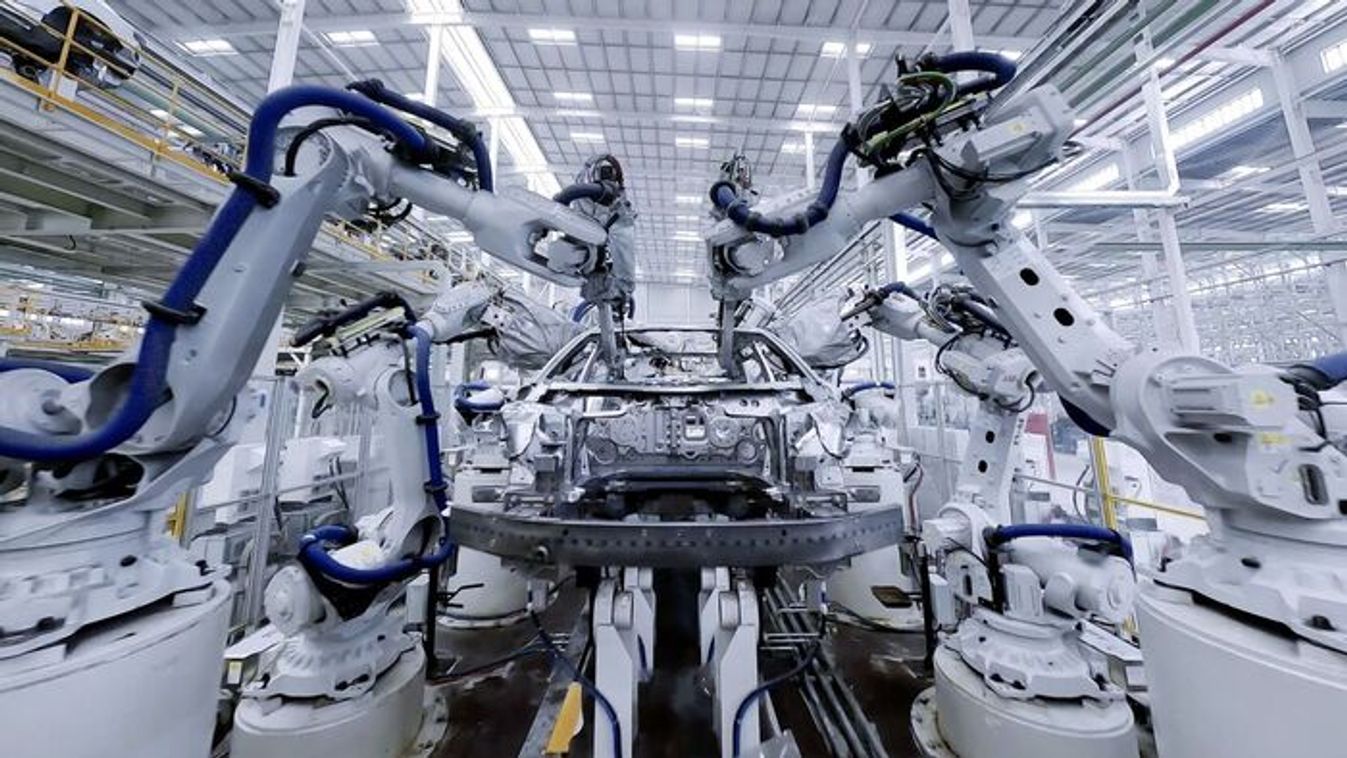
The results of this strategy are most visible in the automotive sector. Hungary is one of only three countries in the world that host manufacturing plants for all three premium German car brands. As a result, the country has also become the number one destination for Chinese investment in Europe. Szijjártó noted that in 2023, 44 percent of all Chinese investment flowing into Europe was realized in Hungary.
It is also worth noting that while the main contractor for the expansion of the Paks Nuclear Power Plant is Russia’s Rosatom, German and French companies are also involved in the project—further evidence of the success of the Hungarian government’s strategy. In addition, to diversify Hungary’s nuclear fuel supply, the MVM Group signed a contract with Westinghouse Electric Company on November 7 last year. Under the agreement, the American partner will provide long-term, stable supplies of VVER nuclear fuel manufactured in Europe for the Paks plant.
Strategic Advantage Through Early Diversification
Recently, Mihály Varga emphasized that Hungary is pursuing mutually beneficial relationships with Asian countries, as the economies of the two continents are increasingly inseparable. According to the central bank governor, Hungary made the right decision at the right time with its “Opening to the East” policy, and the National Bank of Hungary remains committed to strengthening international ties. He also noted that Hungary recognized early on the fundamental transformations underway in the global economy, making the diversification of economic relations and the building of Eurasian partnerships essential.
Global economic centers of gravity have shifted, and while uncertainty has become a constant, countries should prepare for the possibility of a period of easing.
It is unclear when this will arrive, but the signs are encouraging, as more political, economic, and financial power centers are recognizing the importance of building connections.