Anna Lako: Hungary Must Abandon the “Dare to Be Small” Approach in Foreign Affairs

“Our task is not to demand rights, but to fulfill duties. Perhaps our most important mission is to spread this responsible, service-oriented mindset—especially since the media and the online world do not socialize my generation in this direction,” Anna Lako, Director of Foreign Affairs for Fidelitas, told Magyar Nemzet. Lako emphasized that it is their responsibility not to communicate with foreign partners in the spirit of “daring to be small,” but instead to promote Hungary abroad as members of a self-aware nation proud of its traditions and history. We spoke with the foreign affairs director of Fidesz's youth organization about Fidelitas’s new foreign policy strategy.

2026. 02. 11. 17:44
VéleményhírlevélJobban mondva - heti véleményhírlevél - ahol a hét kiemelt témáihoz fűzött személyes gondolatok összeérnek, részletek itt.

How does Fidelitas take part in international politics, and what kind of foreign affairs does the organization pursue?

We are not geographically limited to Europe—and given Europe’s ideologically driven self-destruction and rapid loss of relevance in global politics and the world economy, it is essential that we consciously build relationships in other directions as well. Following the government's strategy of Eastern and Southern Opening, we have established ties from Latin America to the Far East. We pay particular attention to youth organizations in emerging BRICS countries, the Caucasus region, and the alliance of Turkic states in Central Asia, drawing on the shared sense of kinship that exists there. Our alliance with American patriots is longstanding, and it is further strengthened by favorable intergovernmental relations.

Why did Fidelitas feel the need for a foreign policy strategy?

Amid the sweeping global changes and the so-called systemic transformation of the 21st century, the national government aims not to be a passive subject of change but an active shaper of it. A good example is the new U.S. National Security Strategy published in November, which echoes principles that Hungarian foreign policy has emphasized for more than a decade, especially regarding Europe. With a consistent and professional stance, it is possible to influence—even formally or informally—the thinking of major powers.

What were the main considerations in developing the strategy? The document states that Fidelitas does not focus on its rights in this changing world, but on its duties and responsibilities. What do you consider the most important of these?

It was important to include this in our foreign policy strategy because it is not only a guiding principle for our activities but also a matter of self-definition. We are not a community worried about the rights of gender-fluid cat owners in Cambodia. We do not have rights—we have duties. Perhaps our most important task is spreading this responsible, service-oriented mindset, since the media and online space tend to not socialize our generation in this direction.

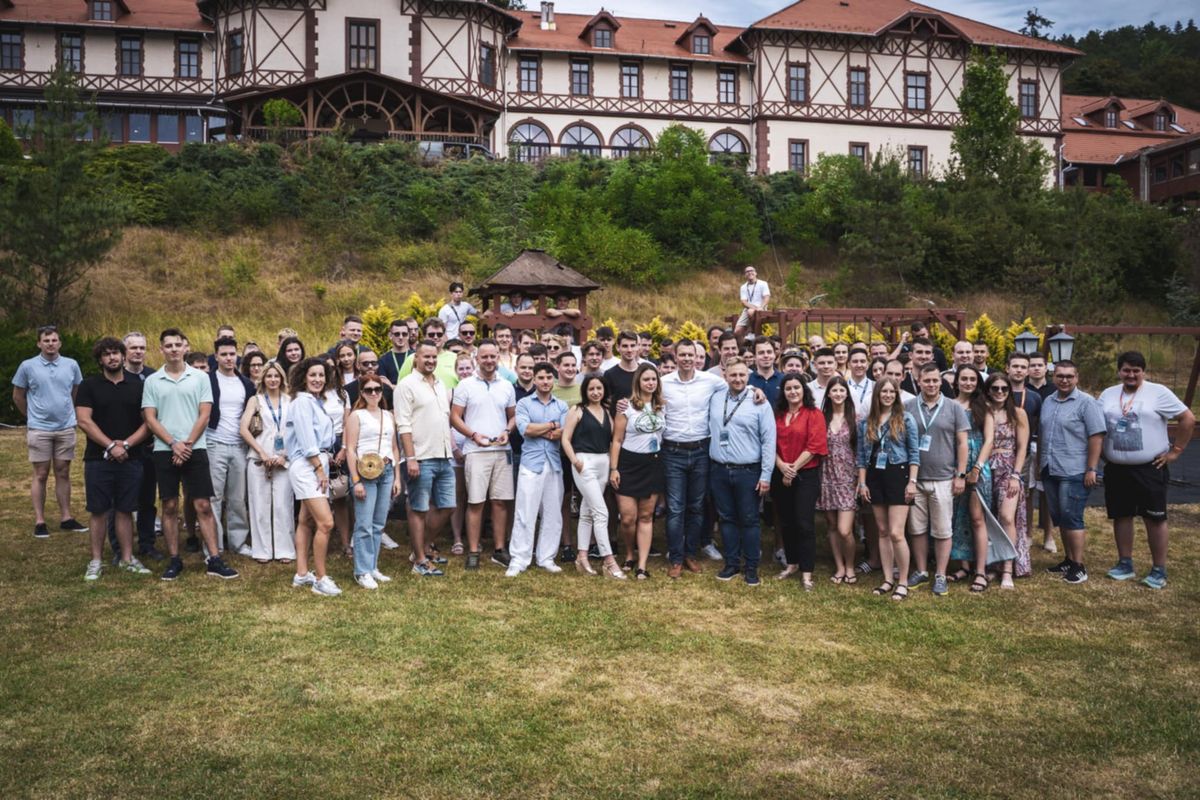
It is our responsibility to bring together and organize into an effective network the new generation of Europe’s right wing. It is our responsibility to help the national cause beyond Europe through useful new partnerships.

At the same time, no task of Fidelitas is—or can be—more important than keeping communities of young Hungarians in the diaspora and especially in the neighboring countries firmly within the bonds of the nation. Close cooperation with them is a priority in building our foreign relations as well. We are convinced that foreign policy is nothing more than the extension of national policy by other means. Foreign policy is only a tool; the goal is national cohesion, leveraging the opportunities created by 21st-century changes.

“It is our responsibility to gather and organize the new generation of Europe’s right wing into an effective network,” Anna Lako told Magyar Nemzet.
(Source: Fidelitas)

What message does the organization want to convey to its foreign partners, and how can this be achieved?

Developing foreign relations may be our most responsible task. A political youth organization cannot really make mistakes in domestic politics, since it coordinates closely with the parent party and the tasks are clear. But at an international event, we represent Hungary. There, every message—and every word—carries weight. This task is also the most complex: presenting not only government policy and priorities, but their background as well—the Hungarian perspective, the circumstances, the reality. In more informal settings, it means presenting the country itself, our traditions and our history. It is our responsibility not to communicate with foreign partners in the spirit of “daring to be small,” but to carry out “country promotion” as members of a self-aware nation proud of its traditions and history.

Within Europe, you understandably focus heavily on Central Europe. How strong are your networks there, and where do you see further potential for growth?

Our shared historical experiences, our common-sense opposition to migration, our societies’ healthy anti-Marxist and anti-woke majorities, and our economic and energy interests provide more than enough common ground to build a strong Central Europe—not only with our northern V4 neighbors, but also with our western and southern neighbors. Last year’s patriotic shift in the Czech Republic, Poland’s presidential election, and Bratislava’s sovereigntist stance are all positive developments, which are directly reflected in our youth networks. In our regional relations, Hungarian national interest is always the guiding principle—even when it comes to educational exchange programs or joint youth conferences.

In other parts of Europe, we also see strong patriotic communities, organizations, and parties. How do you engage with them?

“Strong patriotic communities” sounds good—but the strong patriotic community is us. Strength means being capable of governing, having an absolute majority. Outside Italy and the Czech Republic, the right is not capable of governing—and even there, only through coalitions.

The more accurate word is “strengthening”—precisely to the extent that the overall European situation is deteriorating.

In Western Europe, there are indeed strong patriotic communities, but they are largely focused on resistance, as the leftist-liberal firewall prevents them from reaching decision-making positions. The French and the Spanish right has deep traditions, but decades of leftist-liberal cultural hegemony mean that the younger generation was not socialized in these traditions. It is a primary pan-European interest—though our focus is the Hungarian interest—that patriotic forces reach positions of decision-making power in major Western European states. Therefore, to the best of our ability, we must help them in organizational and identity-policy terms.

How do you reach foreign young people—and even older generations—who may only now be starting to take an interest in public life? Is it a goal to reach as many people as possible?

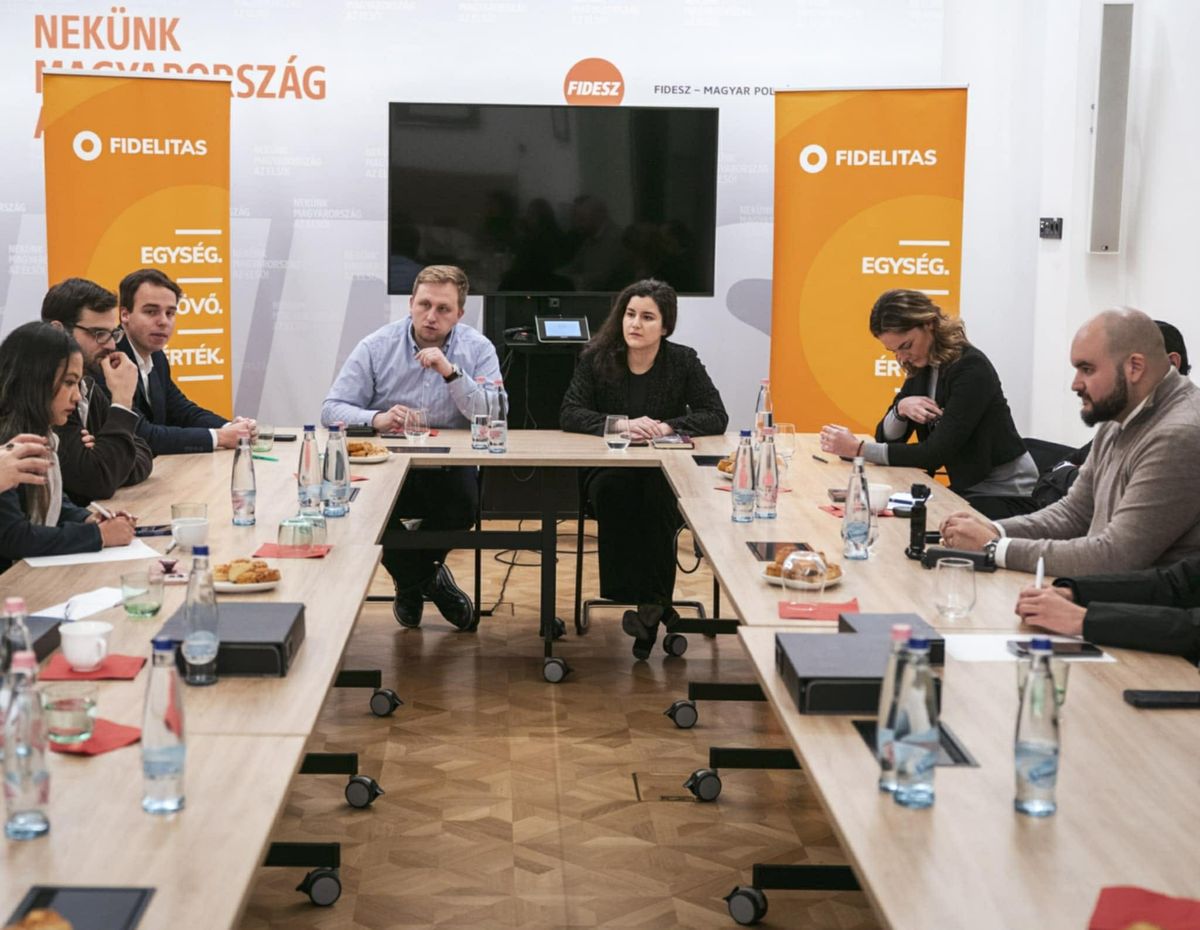
“Our goal is not only to make the pro-nation camp attractive, but decisive in shaping young people’s thinking,” the Fidelitas Director of Foreign Affairs said.
(Source: Fidelitas)

Of course, quantity matters—it has to, in an age of mass society and mass media. Our goal is not only to make the national camp attractive, but to make it decisive in shaping young people’s thinking and the values it represents. There is only one way to reach foreign youth: increased activity, superior professional preparation and awareness, and high energy levels. But perhaps even more important is raising the level of foreign policy literacy among Hungarian youth. Hundreds of young people in Hungary hold degrees in international relations, yet this often represents neither theoretical nor practical knowledge—it is simply a high prestige major that anyone can complete, especially with the help of ChatGPT. And it certainly does not mean that someone truly understands the international playing field.

With Donald Trump's return to the scene in the United States and the resulting patriotic shift, what opportunities has this created for Fidelitas and for Hungarian and European patriots?

President Trump’s re-election makes life easier simply by ensuring that gender ideology, cancel culture, and woke dogma no longer receive direct governmental and ideological backing from the leading power of the Western world. Needless to say, these self-destructive ideologies—bordering on absurdity—target the younger generation and pose the greatest danger to still-forming personalities.

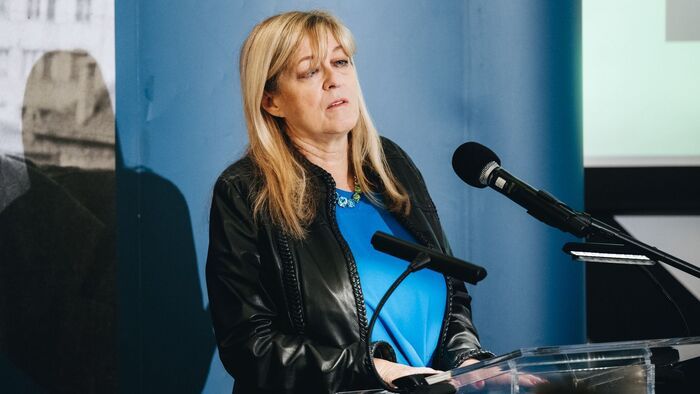
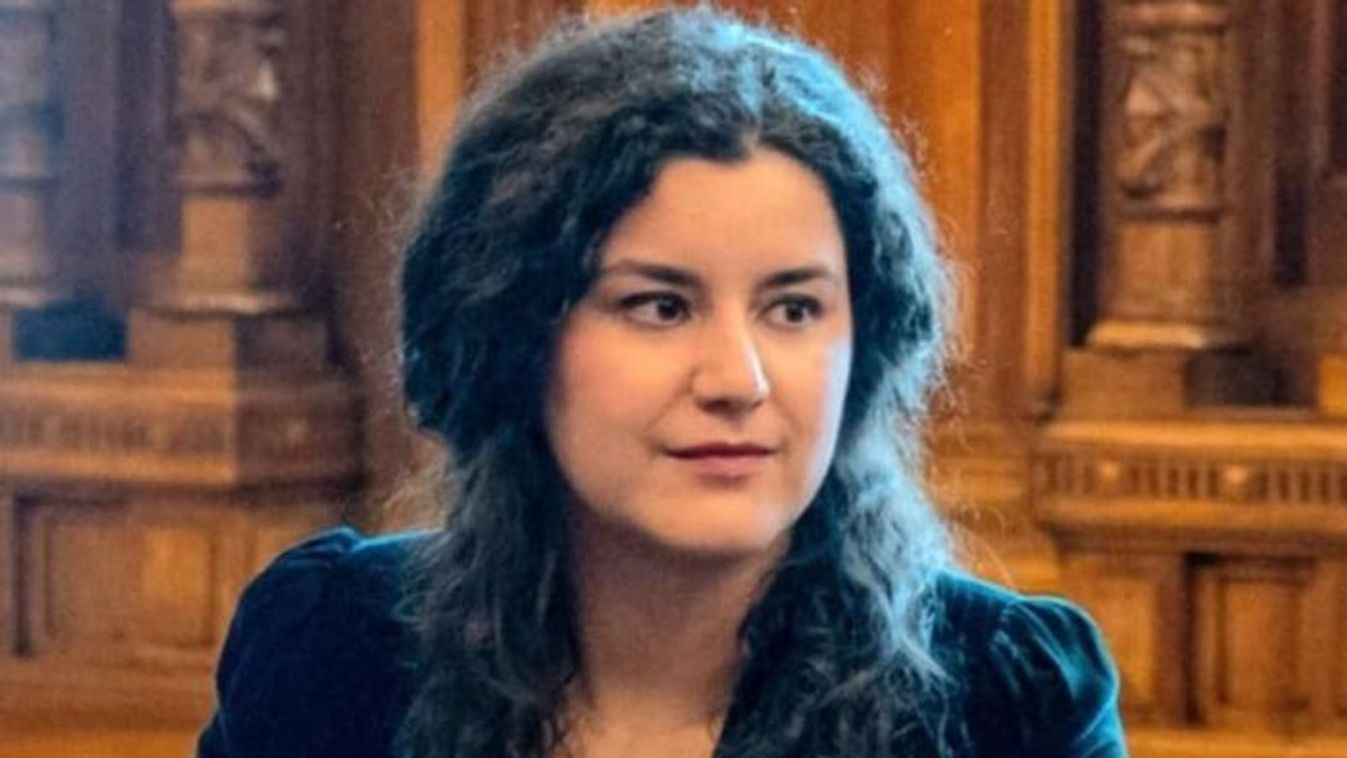
Cover photo: Anna Lako, Director of Foreign Affairs at Fidelitas (Source: Fidelitas)

Komment

Összesen 0 komment

A kommentek nem szerkesztett tartalmak, tartalmuk a szerzőjük álláspontját tükrözi. Mielőtt hozzászólna, kérjük, olvassa el a kommentszabályzatot.


Jelenleg nincsenek kommentek.

Szóljon hozzá!

Jelenleg csak a hozzászólások egy kis részét látja. Hozzászóláshoz és a további kommentek megtekintéséhez lépjen be, vagy regisztráljon!

A téma legfrissebb hírei

Tovább az összes cikkhez chevron-right

Ne maradjon le a Magyar Nemzet legjobb írásairól, olvassa őket minden nap!

Google News
A legfrissebb hírekért kövess minket az Magyar Nemzet Google News oldalán is!

Címoldalról ajánljuk

Tovább az összes cikkhez chevron-right

Portfóliónk minőségi tartalmat jelent minden olvasó számára. Egyedülálló elérést, országos lefedettséget és változatos megjelenési lehetőséget biztosít. Folyamatosan keressük az új irányokat és fejlődési lehetőségeket. Ez jövőnk záloga.