Trump brought the change
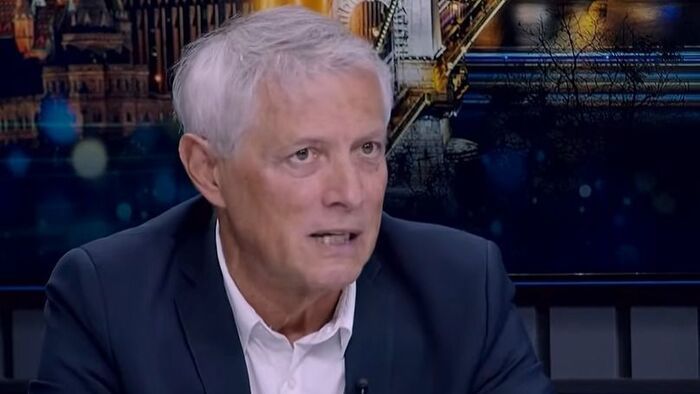
The analyst noted that last November, the patriotic Donald Trump won an overwhelming victory in the United States with 312 electoral votes. It is no secret, even to the Hungarian opposition, that regardless of political or ideological common ground, the American president has maintained a good personal relationship with Viktor Orban for years. As proof, Mr. Kiss mentioned that Trump sent a personal message to CPAC and, last year, to the Tusvanyos Summer University as well.
U.S. President is a messenger of peace
Since the outbreak of the Russia–Ukraine war, neither the European Union nor the United States has conducted talks with Russian representatives even at the foreign ministerial level. The only foreign minister in the EU who has done so is Hungarian Minister of Foreign Affairs and Trade Peter Szijjarto, who at least once a year — for instance at last September’s UN General Assembly — has held bilateral talks with Sergei Lavrov.
Thanks to this pragmatic trade and economic dialogue, Hungary’s energy supplies have been secure up to now — which is particularly important.
The turning point in the United States came on January 20, when Donald Trump was inaugurated. In February 2025, the U.S. president announced that he had held a lengthy and highly productive phone call with Vladimir Putin. Later, in Riyadh, Marco Rubio sat down with FM Sergei Lavrov, and the subsequent meetings accelerated the path to peace negotiations.
In this, too, we are on the same platform with America — that Christian patriotic values must be defended, and that the so-called woke ideology must be opposed at every possible forum.
The expert explained that the report on Hungary changed because, until now, the drafters and readers of such reports had not been receiving accurate information.
The difference between Washington's and Brussels' opinion
According to Mr. Kiss, the reason for the differing views in Washington and Brussels is that the 2024 European parliamentary elections did not bring political change in Europe. He explained that political discontent and social tensions against governing elites can be felt in more and more countries. The citizens of the European Union are pro-peace, but this is not reflected in Brussels, Warsaw, Berlin, Paris — or even outside the EU, in London. He noted that the European Commission has the same president, Ursula von der Leyen, as in the previous term, and tellingly, even the Commission’s former vice president Josep Borrell has criticized some of its policies. The political and ideological shift that has already taken place in the United States has not yet happened in the European Union.
Brussels remained pro-war, just as before, while the United States and Hungary are pro-peace,
– Mr. Kiss concluded.
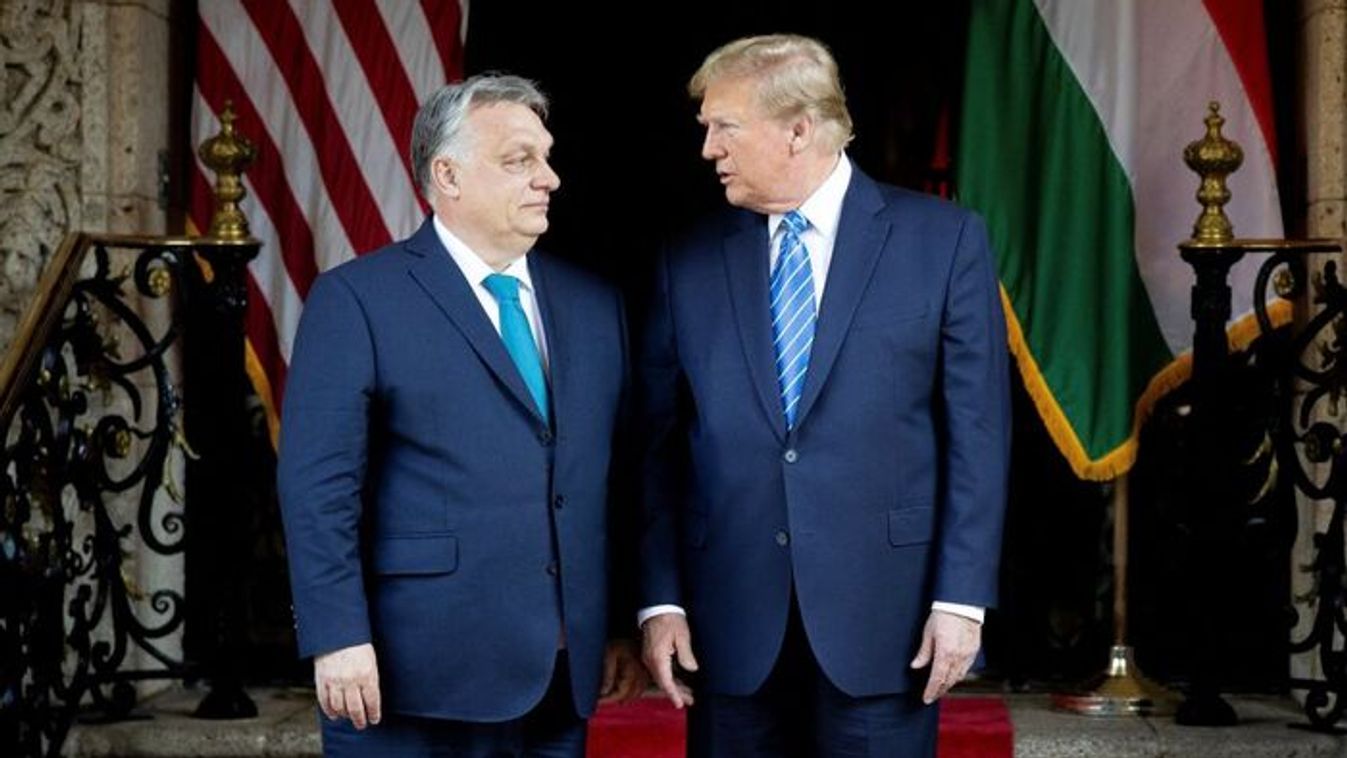
Cover photo: Hungarian Prime Minister Viktor Orban and U.S. President Donald Trump (Photo: AFP)