On Wednesday, Members of the European Parliament approved the EU plan by 500 votes in favor, 120 against, and 32 abstentions. Under the decision, imports of Russian gas would be phased out and ultimately terminated altogether. The timetable is tight: liquefied natural gas (LNG) deliveries would end by late 2026, while pipeline gas would be cut off entirely by September 2027. For the ban to take legal effect, formal approval by EU ministers will still be required early next year.
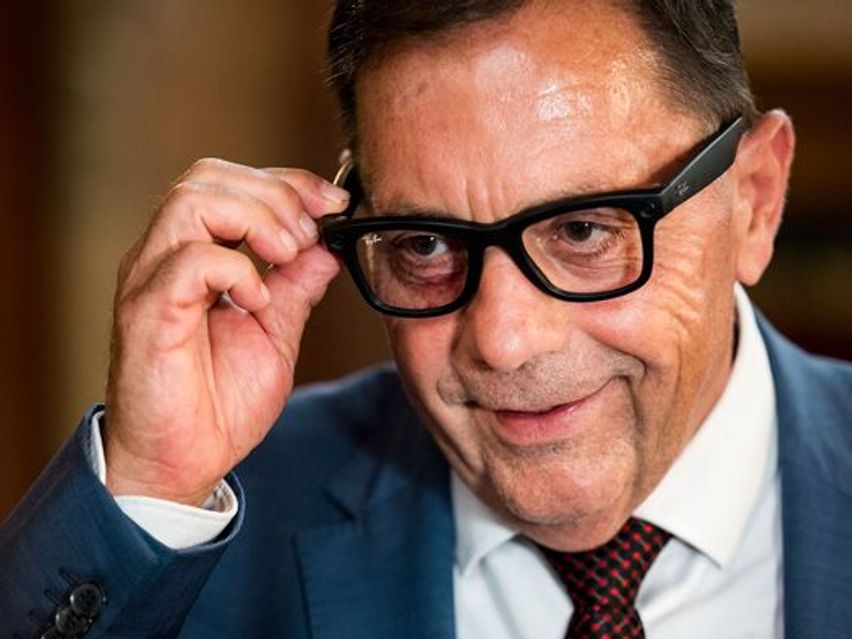
According to FM Szijjarto, Brussels’ intentions are unmistakable: political considerations are being used to override the energy-security interests of member states. The manner in which the regulation was adopted is particularly troubling. It was drafted in a way that avoids the requirement of unanimity, allowing it to pass with a qualified majority. Through this legal maneuver, Brussels is deliberately circumventing the opposition of Hungary and Slovakia.
Due to their geography and existing infrastructure, countries in Central Europe remain dependent on Russian energy supplies. In October, Russian gas accounted for 12 percent of EU imports, down from 45 percent in 2022. Hungary’s and Slovakia’s energy supply, however, still relies heavily on this source.

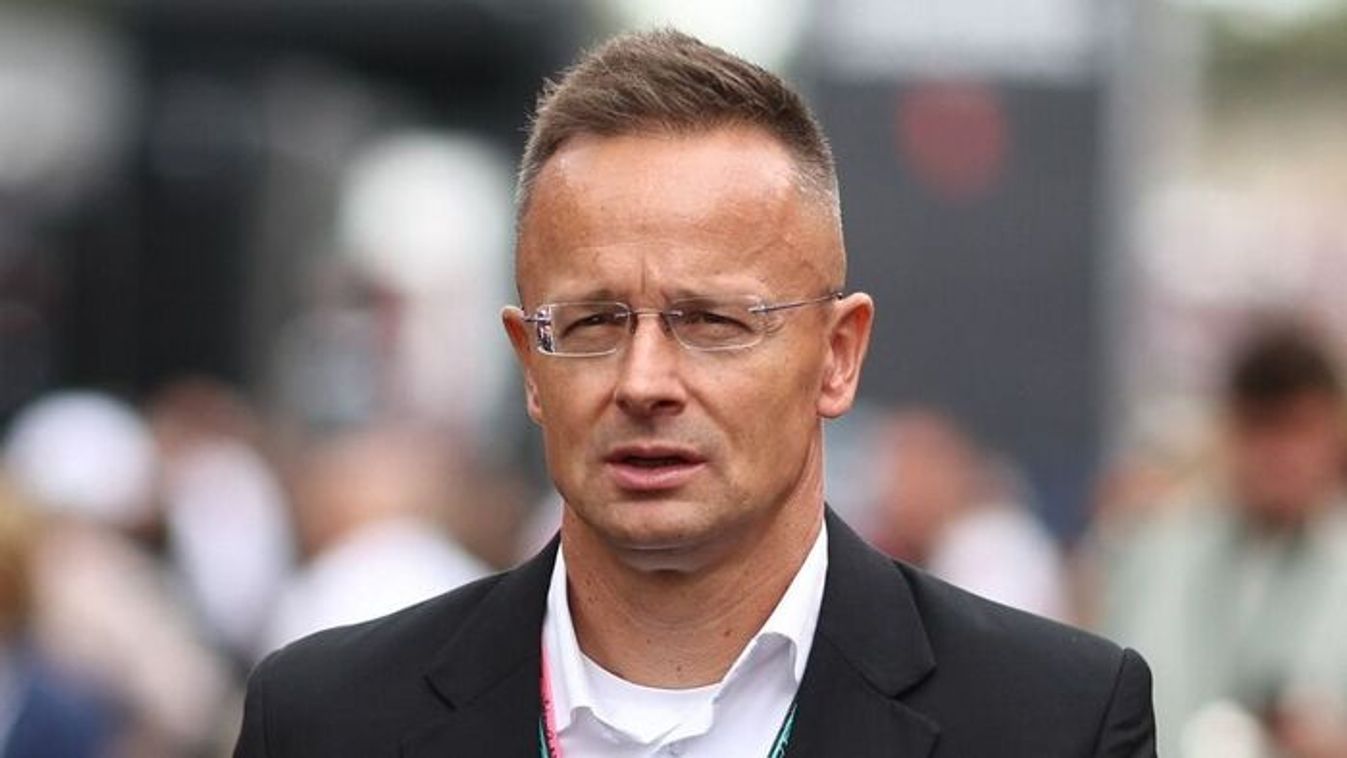
(Photo: Facebook / Peter Szijjarto)
FM Szijjarto Sharply Criticizes the Decision
The Hungarian Minister of Foreign Affairs and Trade sharply criticized the decision, calling it a serious violation of the law.
This is nothing short of a massive legal fraud, because in reality it is a sanctions measure that should require unanimous approval. It runs directly contrary to the EU’s founding treaties, which clearly state that energy policy is a national competence, and it also flatly contradicts Brussels’ own impact assessments,
FM Szijjarto posted.
The diktat, he warned, would make secure energy supplies impossible for Hungary and Slovakia while triggering steep price increases, placing a heavy burden on households and the broader economy. The seriousness of the situation is underscored by the coordinated response now being prepared by the two governments.
For this reason, together with the Slovak government—and immediately following the decision—we will file an action for annulment with the European Court of Justice and request the suspension of the regulation for the duration of the legal proceedings,
Szijjarto said.


Szóljon hozzá!
Jelenleg csak a hozzászólások egy kis részét látja. Hozzászóláshoz és a további kommentek megtekintéséhez lépjen be, vagy regisztráljon!