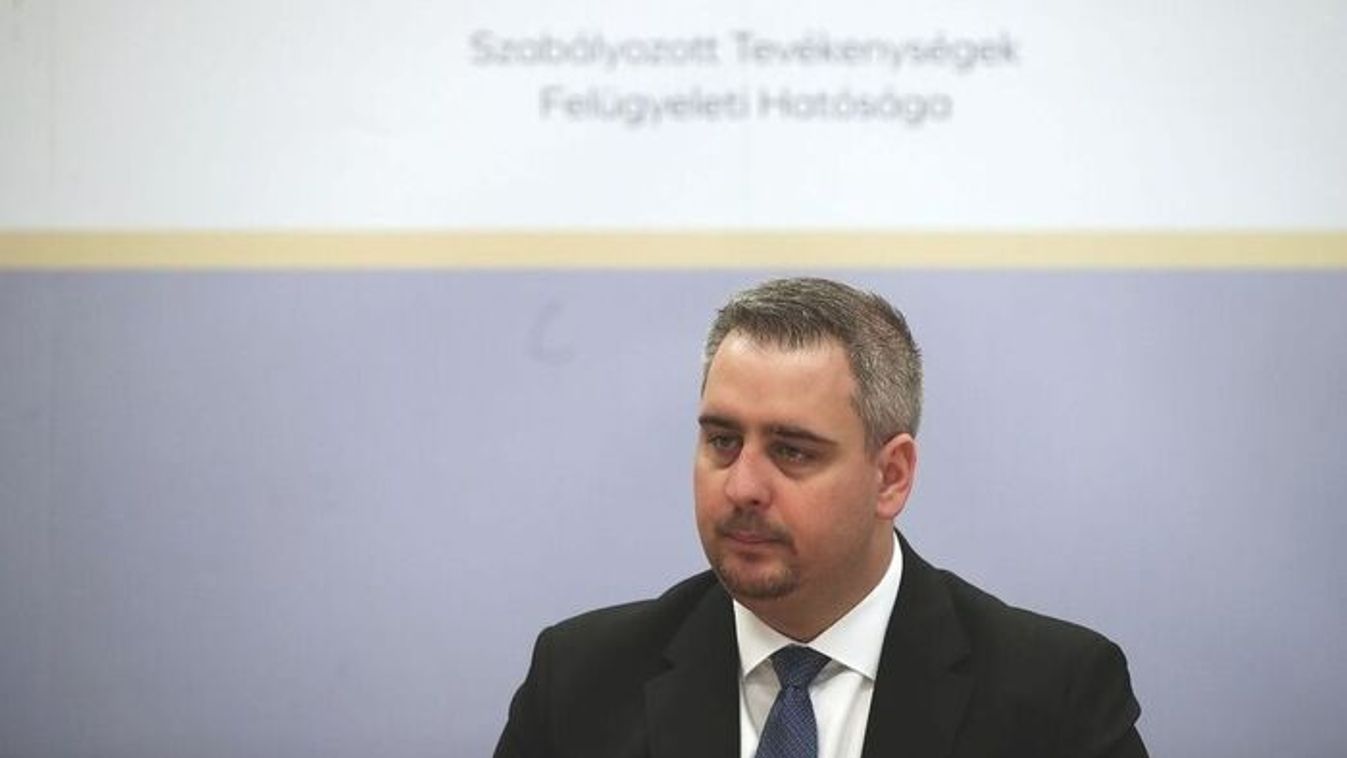
Zoltan Lomnici pointed to the growing contradiction between the rule-of-law demands issued from Brussels and the EU’s own internal conduct."The contradiction between Brussels’ rule-of-law expectations and the corruption scandals emerging within its own institutions stems primarily from the fact that oversight and responsibility mechanisms applying to EU bodies are far weaker than the level of strictness they demand from member states," he told Magyar Nemzet.

He noted that while Article 2 of the EU Treaties enshrines the rule of law as a core value, and Article 7 allows these requirements to be enforced against member states, these same standards do not apply to the EU institutions themselves, creating a double standard.
The expert recalled that
the Katargate, Pfizergate, and the Mogherini–Sannino case cases all show that the EU institutions fail to meet even basic transparency requirements in their own remit.
He also cited the May 14, 2025 ruling of the European Court of Justice, saying that the court annulled the Commission’s decision that denied access to text messages exchanged between the Commission President and the CEO of Pfizer, on the grounds of violating document-retention obligations and the principle of good administration.
Zoltan Lomnici Jr. argues that this clearly demonstrates that
the credibility of the EU’s proclaimed rule-of-law norms is weakening, and even the political consistency of the EU’s actions is increasingly called into question.


Szóljon hozzá!
Jelenleg csak a hozzászólások egy kis részét látja. Hozzászóláshoz és a további kommentek megtekintéséhez lépjen be, vagy regisztráljon!