PM Orban: Next Year’s Election Could Decide Between War and Peace

The prime minister said Hungary intends to win the 21st century.

2025. 12. 23. 12:53
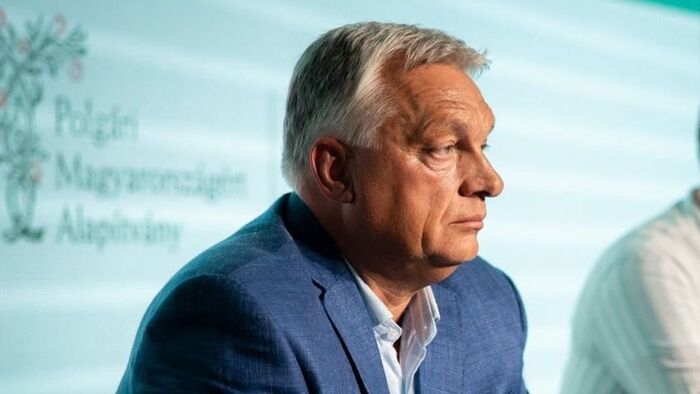
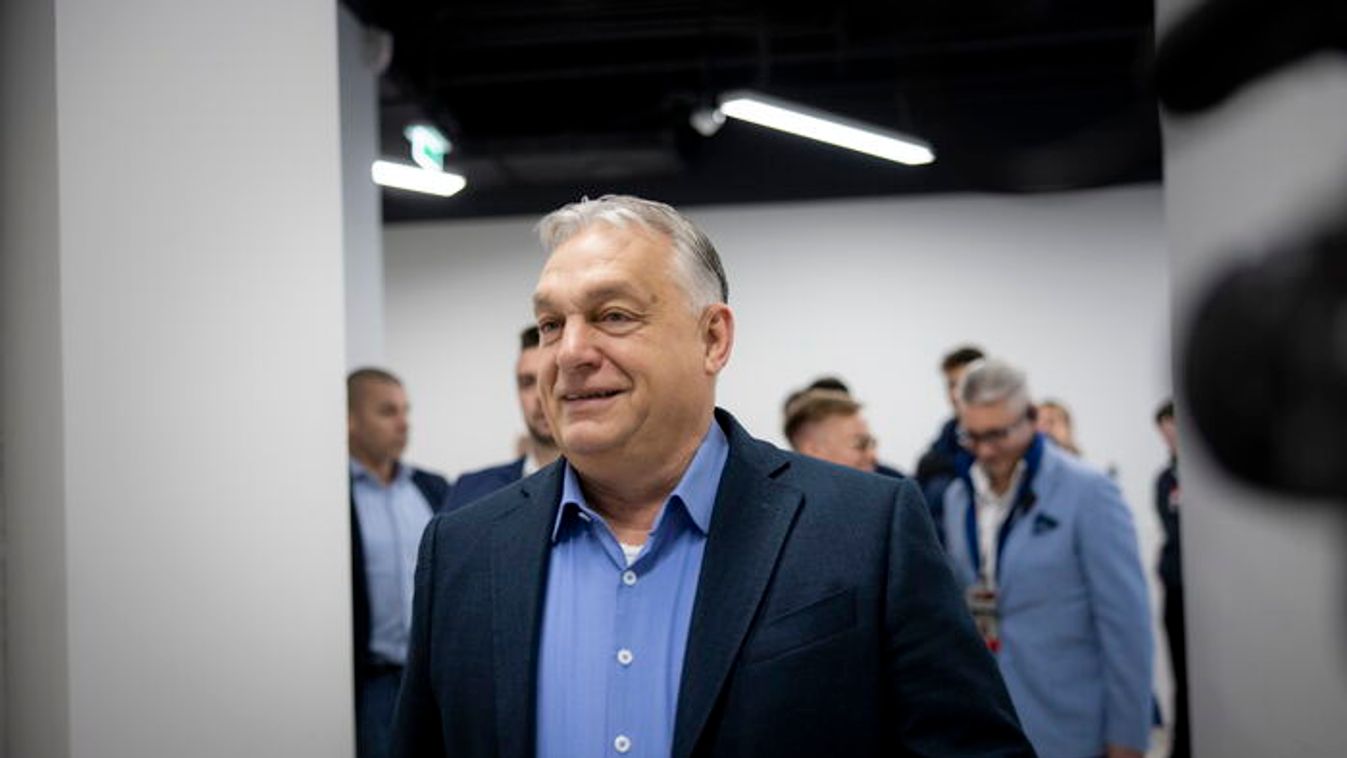
Prime Minister Viktor Orban (MTI / Prime Minister’s Communications Office / Zoltan Fischer)
VéleményhírlevélJobban mondva - heti véleményhírlevél - ahol a hét kiemelt témáihoz fűzött személyes gondolatok összeérnek, részletek itt.

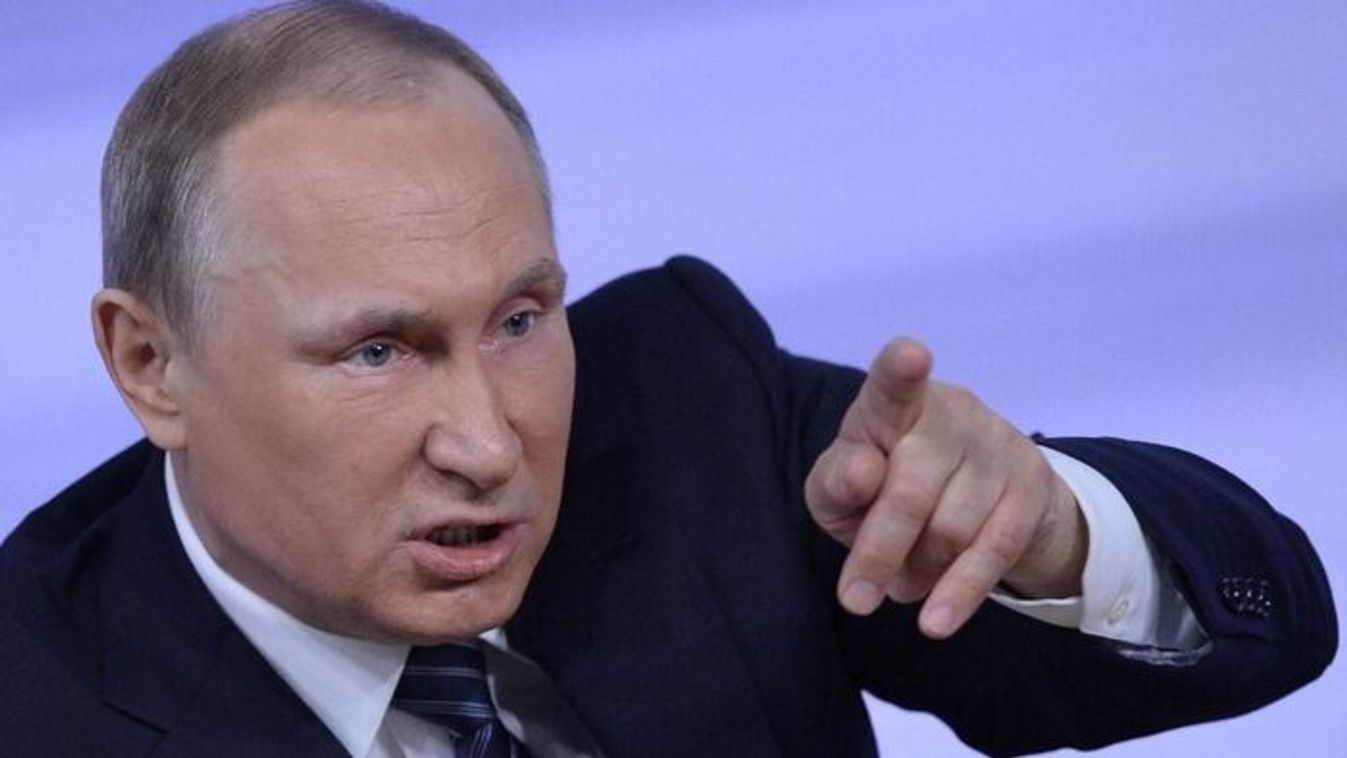
Speaking on TV2’s Tenyek program, Prime Minister Viktor Orbán said the anti-war rallies provide an opportunity to explain to the public what is happening behind closed doors as Europe prepares for war. He emphasized that European leaders at the summit held what amounted to a war council over the weekend, where speeches were clearly focused on defeating Russia. PM Orban noted that since Donald Trump’s inauguration in January, the U.S. president is doing exactly what he promised, which is creating a growing divide between American and European policy.

Previously it was unthinkable within NATO that the United States would say no to something and European states would still go ahead and do it,

the prime minister said.

A War-Free Christmas—for Now

PM Orban stressed that Europe is far closer to war than the Hungarian public can imagine, and that the anti-war rallies help make this reality tangible. He recalled a German war plan aimed at seizing Russia's currency reserves in Western Europe, a move that would have overtly turned Europe into Russia’s enemy. That plan had to be stopped, he said. Hungary did its part, but the decisive push came from what Mr. Orban called the heroic stance of the Belgian prime minister, who ultimately said no to the Germans.

Italy and France did not abandon Belgium, so the Germans were unable to push their proposal through,

he noted.

The prime minister emphasized that Hungary will now have a war-free Christmas, but warned that the danger of war has not passed. The European Union wants to provide Ukraine with €90 billion over two years, but the EU has no money of its own. Instead, it turned to bankers for loans—loans, he said that will never be repaid. Slovakia, the Czech Republic, and Hungary refused to provide guarantees for the borrowing, unwilling to put taxpayers’ money into what he described as a dubious financial maneuver.

This would have cost Hungarian families 400 billion forints. We will not pay that—full stop,

Viktor Orban declared.

Whoever Gains Time, Gains Life

Overall, PM Orban said, Europe has more assets in Russia—through private companies—than the amount the EU would have seized. He added that Hungary also holds significant assets in Russia through major corporations.

“Whoever gains time, gains life,” the prime minister said, expressing hope that Russian-American negotiations would succeed despite the counter-campaigning by Europe’s political elite. According to Mr. Orban, anti-war voices are now in the majority in Western public opinion, as rising costs have made societies increasingly opposed to continued conflict.

Hungary, he noted, was a major loser in both world wars.

 “From a Hungarian perspective, war is the most horrific thing that can happen,” PM Orban said. 

“We know how a war consumes a nation’s future and decades of hard work. This understanding does not exist in the West.”

He added that while no one openly wants war, momentum is created by various groups and interests that ultimately push politicians into conflict.

Bankers Push Politicians Into War

PM Orban argued that bankers are pushing politicians toward war—just as they did before World War I, something Hungarians remember well. Over the next three to four months, he said, the dividing line between Hungarian and European politics will become even clearer, separating pro-peace and pro-war forces. 

Germany is pro-war, he said, adding that the European People’s Party is a war party, and that the Tisza Party—aligned with it—is also pro-war. Fidesz–KDNP, by contrast, represents the party of peace. The pro-war majority has announced that Europe must be ready for war with Russia by 2030, making the upcoming Hungarian elections a choice between peace and war.

We will not allow ourselves to be dragged into war,

the prime minister made clear.

He warned that war washes everything away and that Hungary must anchor itself firmly to peace—though he believes the country’s chances of staying out of conflict are better now than during the two world wars. “We—and I personally—will succeed in keeping Hungary out of the war,” Orban said.

A Domestic “Tax Revolution”

Turning to domestic policy, PM Orban spoke about what he called a tax revolution at home, noting that the government had worked on it extensively and initially wanted to launch it six months earlier. Brussels sanctions, he said, have blocked European—and Hungarian—economic growth. After six months, however, the government rolled out fixed-rate home-ownership and business loan programs, restored the 14th-month pension, and introduced lifetime tax exemptions for mothers with two or three children—an unprecedented step globally.

By the end of the year, every program was launched. Only we are doing this in an era preparing for war,

Orban pointed out.

On the Tisza Party, the prime minister said bluntly: 

“The Tisza Party’s program is Brussels’ program. But Hungary must not take the Brussels path—we must stay on the Hungarian path.”

Addressing energy policy, the prime minister said agreements had to be reached with Russia, the United States, and Turkey to maintain Hungary’s utility price cuts. 

Hungary can guarantee the EU’s lowest energy prices in the coming years only if the current government remains in power. 

He warned that EU plans to scrap the policy, he said, would amount to brutal austerity that would impoverish Hungarian families.

The PM argued that the goal of becoming “big and prosperous” is already more than halfway achieved. “We want Hungary to be great, respected, and proud, with major economic successes,” he said. That required a new tax system and strong family support. Hundreds of kilometers of new roads and highways will still be built, major railway projects will begin, and home-ownership programs will continue. “We want to win the 21st century,” Viktor Orban declared.

The Scent of Oranges

On a more personal note, the prime minister said his most vivid Christmas memory is the scent of oranges from his childhood, along with the tradition of the entire family gathering on Christmas Eve.

“We have five children, all grown and out of the nest. There are two times a year when they all come home and the family is all together—Christmas and Easter,” Viktor Orban said.

For Christmas, the prime minister urged Hungarians to

reflect on what they have achieved in their own lives and to value and be grateful for those successes.

Cover photo: Prime Minister Viktor Orban (MTI / Prime Minister’s Communications Office / Zoltan Fischer)

Komment

Összesen 0 komment

A kommentek nem szerkesztett tartalmak, tartalmuk a szerzőjük álláspontját tükrözi. Mielőtt hozzászólna, kérjük, olvassa el a kommentszabályzatot.


Jelenleg nincsenek kommentek.

Szóljon hozzá!

Jelenleg csak a hozzászólások egy kis részét látja. Hozzászóláshoz és a további kommentek megtekintéséhez lépjen be, vagy regisztráljon!

A téma legfrissebb hírei

Tovább az összes cikkhez chevron-right

Ne maradjon le a Magyar Nemzet legjobb írásairól, olvassa őket minden nap!

Google News
A legfrissebb hírekért kövess minket az Magyar Nemzet Google News oldalán is!

Címoldalról ajánljuk

Tovább az összes cikkhez chevron-right

Portfóliónk minőségi tartalmat jelent minden olvasó számára. Egyedülálló elérést, országos lefedettséget és változatos megjelenési lehetőséget biztosít. Folyamatosan keressük az új irányokat és fejlődési lehetőségeket. Ez jövőnk záloga.