Full Report On EU Financing Of Ukraine Is Now Public

The Hungarian government has made public a report by the EU Affairs Minister, detailing Ukraine's financing and the EU's related expectations of Hungary.

2026. 01. 14. 16:19
Photo: Shutterstock/Mehaniq
VéleményhírlevélJobban mondva - heti véleményhírlevél - ahol a hét kiemelt témáihoz fűzött személyes gondolatok összeérnek, részletek itt.

At its meeting last Wednesday, the government heard a report from the EU Affairs Minister on Ukraine's financing needs and, in this context, on the measures that the European Union is urging Hungary to introduce. The report has also been prepared in writing and was made public by the government today.

ukrajna uniós támogatása, háború
Photo: Shutterstock/Mehaniq

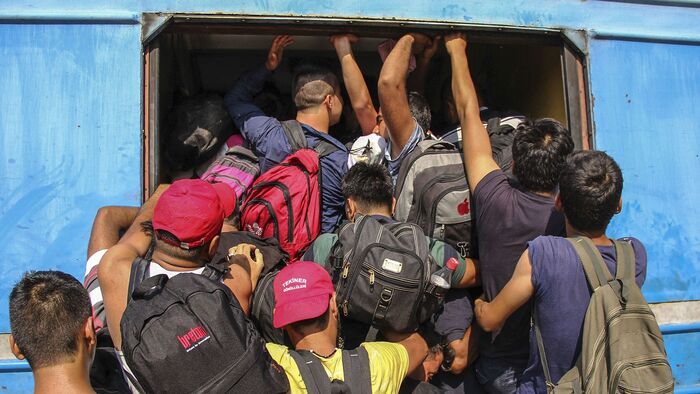
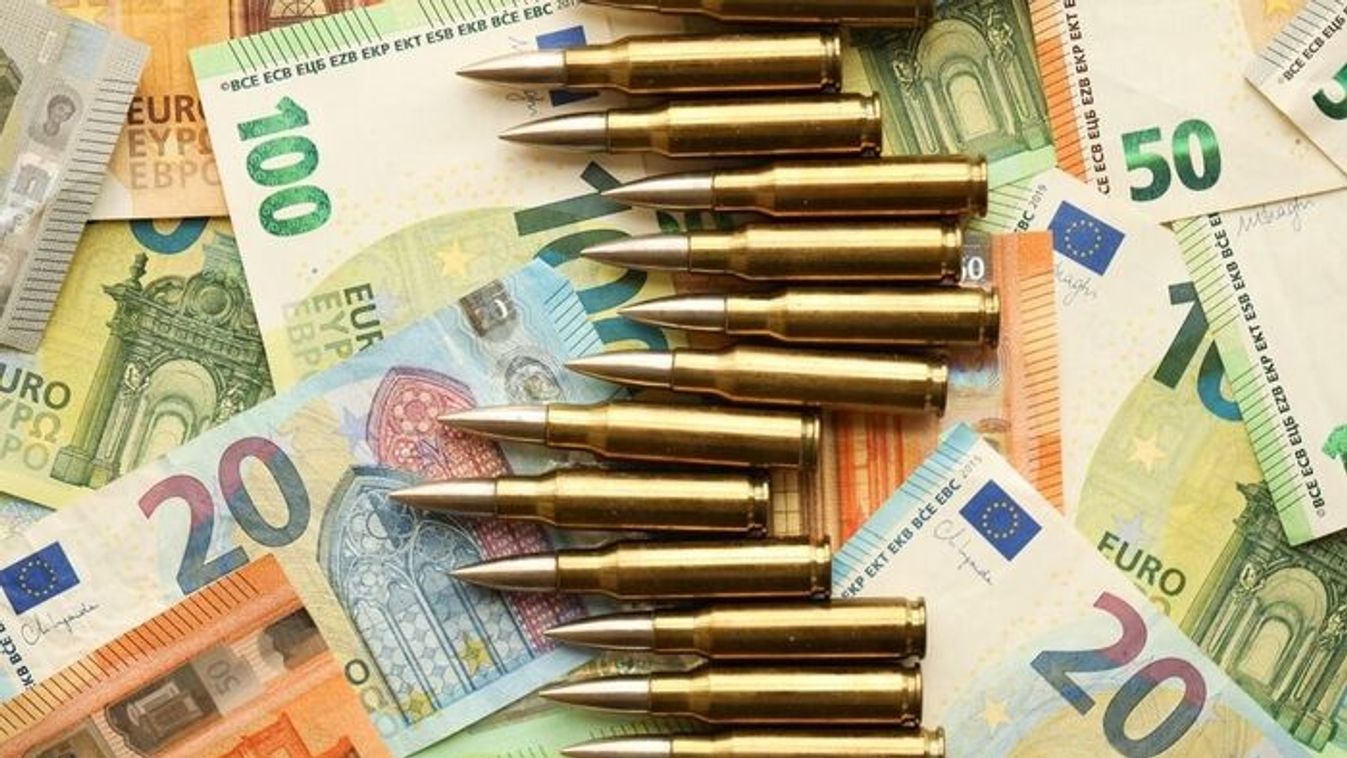
The document shows that since February 2022, the European Union and its member states have paid 193.3 billion euros to Ukraine. This amount includes military, financial, humanitarian, and refugee related support. By way of comparison, between 2004 and 2024 Hungary received a net total of 73 billion euros in EU funding, counting all sources and legal titles combined.

The 193.3 billion euros spent so far on financing Ukraine is broken down as follows:

  • EU military support: 63.3 billion euros
  • EU financial, economic, and humanitarian support: 51.6 billion euros
  • Loans and non refundable financial support under the Ukraine Facility: 36.67 billion euros
  • Support for Ukrainian refugees within the EU: 17 billion euros
  • Loans and non refundable financial support from member states: 15 billion euros
  • Interest transferred to Ukraine from seized Russian assets: 3.7 billion euros

The report also reveals that under an EU decision taken at the end of December 2025, the European Union will provide Ukraine with an additional 90 billion euros in loans for the period 2026–2027. The EU will raise the necessary funds on international financial markets through borrowing. The transaction is backed by the so called Multiannual Financial Framework (MFF), which provides the remaining room for maneuver within the EU’s multi year budget framework, meaning that even the very last available funds are being used for this purpose. Hungary, the Czech Republic, and Slovakia are not participating in this arrangement, having refused to support it.

With regard to the parameters of Macro-Financial Assistance, guidance is provided only by the EU25 text. According to this, Ukraine would only be required to repay the support if it receives reparations from Russia, and until then the freezing of Russian assets would remain in place. As for interest costs, the only public statement so far has come from German Chancellor Friedrich Merz, who spoke of an “interest free” Ukrainian loan.

Macro-Financial Assistance cannot be used for military financing. To date, no proposal has been adopted to resolve military financing. For the EU, the European Peace Facility is the natural channel for military funding, and a significant portion of the returns from frozen Russian assets has already been directed there. However, due to Hungary's veto, the legal basis for using these funds has so far remained disputed.

The document also shows that the so called “reparations loan” based on the direct use of frozen Russian assets has not been taken off the agenda. Supportive action by the European Parliament is expected in January 2026. It remains an open question whether this will be sufficient to move forward the process that has stalled in the Council.

It is also worth noting that the above mentioned MFF proposal for supporting Ukraine effectively treats the EU budget for the 2028–2034 budgetary cycle as a bottomless pit. Under the proposal, the approximately 100 billion euros earmarked for Ukraine could in the future be increased by several hundred billion euros through amendments to the Global Europe regulation under the ordinary legislative procedure, without requiring unanimity. According to the proposal, the European Commission would generate the necessary funds by cutting cohesion funds and agricultural subsidies by at least twenty percent.

All things considered, Ukraine’s likely actual and total share of the next MFF could exceed 360 billion euros under the draft.

Zelensky Submits the Bill 

Last Christmas, Ukrainian President Volodymyr Zelensky unveiled the Ukrainian prosperity plan, which sets out an 800 billion dollar demand over the next decade for Ukraine’s reconstruction and economic development, on top of military and defense spending. Hungary, of course, also rejects this request. Not without reason, as this amount, when calculated per capita for Hungary, would represent a burden of approximately 320,717 forints per person, or more than 1.3 million forints per family.

In summary, it can be stated that the European Union has so far

ensured Ukraine’s uninterrupted financial and military support through 193.3 billion euros in aid and the taking on of 90 billion euros in loans, placing a significant burden on the EU budget.

Beyond this, Ukraine is making an additional 800 billion dollar demand on the European Union, supplemented by the approximately 100 billion euros in funding foreseen for Ukraine in the EU’s budget proposal.

Due to Lack of Funds, Commission Would Shift the Burden Onto Member States – Demands from Hungary

The report also reveals that in order to create the necessary financial framework, Hungary would be expected to abolish subsidized home loans, the family housing support scheme, and exemptions from transaction duties, eliminate the 13th and 14th month pensions, and introduce private pension systems. In addition, Hungary would be required to dismantle the flat rate personal income tax system and introduce a so called progressive personal income tax. In its country report, the European Commission also criticized tax benefits for mothers, young people, and families, as well as the utility cost cuts that ensure low energy prices; proposed taxing government bond yields, closing hospitals, abolishing the workers' loan program, and eliminating support schemes for small and medium-sized enterprises. All this would be required in order to generate higher tax revenues and reallocate resources to support the war in Ukraine.

"Eight hundred billion dollars do not grow on trees. This is how much the Ukrainians demand from us Europeans over the next ten years. For Hungary, this would mean a tribute of more than nine billion dollars," Prime Minister Viktor Orban wrote wrote on his social media page.

Komment

Összesen 0 komment

A kommentek nem szerkesztett tartalmak, tartalmuk a szerzőjük álláspontját tükrözi. Mielőtt hozzászólna, kérjük, olvassa el a kommentszabályzatot.


Jelenleg nincsenek kommentek.

Szóljon hozzá!

Jelenleg csak a hozzászólások egy kis részét látja. Hozzászóláshoz és a további kommentek megtekintéséhez lépjen be, vagy regisztráljon!

A téma legfrissebb hírei

Tovább az összes cikkhez chevron-right

Ne maradjon le a Magyar Nemzet legjobb írásairól, olvassa őket minden nap!

Google News
A legfrissebb hírekért kövess minket az Magyar Nemzet Google News oldalán is!

Címoldalról ajánljuk

Tovább az összes cikkhez chevron-right

Portfóliónk minőségi tartalmat jelent minden olvasó számára. Egyedülálló elérést, országos lefedettséget és változatos megjelenési lehetőséget biztosít. Folyamatosan keressük az új irányokat és fejlődési lehetőségeket. Ez jövőnk záloga.