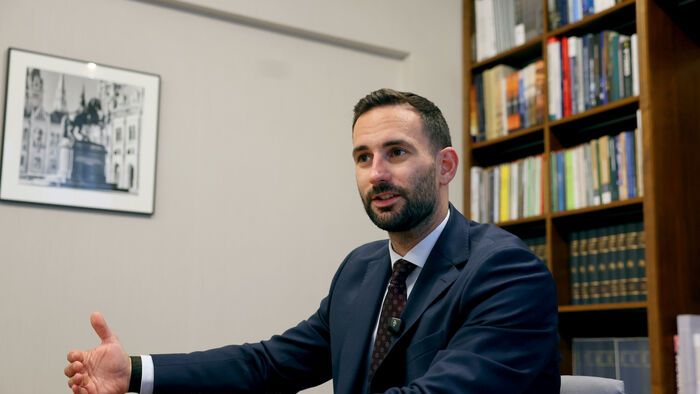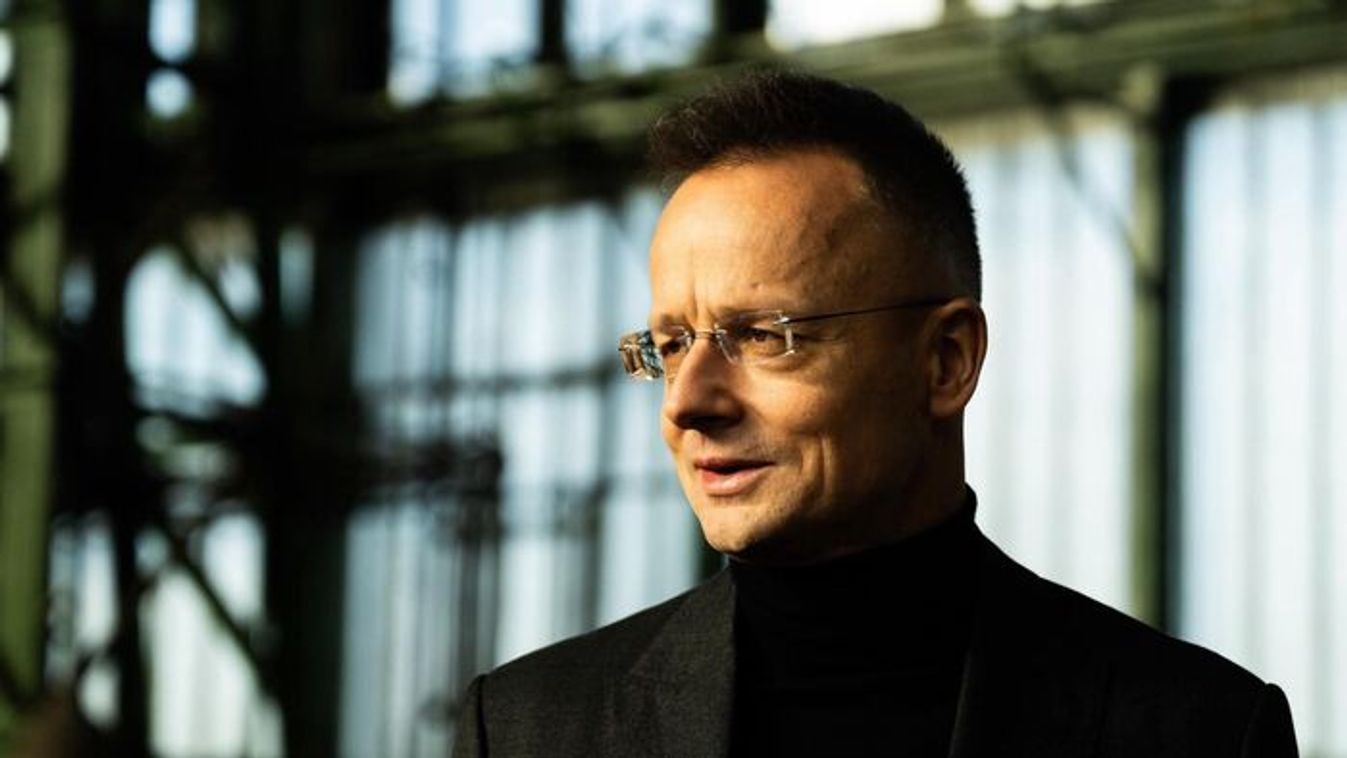
Speaking after the Hungarian government delegation arrived in the U.S. capital, Szijjarto noted that a new world order is taking shape—one built more on bilateral relations, government-to-government cooperation, and personal ties. A tangible sign of this shift, he said, is the creation of the Board of Peace at the initiative of President Donald Trump, according to a statement from the ministry.

Szijjaro emphasized that Trump's peace efforts offer real hope that armed conflicts around the globe can be resolved through diplomacy. As an example, he cited the 2020 Abraham Accords, which normalized relations between Israel and several Arab nations after decades of failed attempts.
He stressed that Hungary’s decision to join the Board of Peace is not merely symbolic or ideological. For a country living in the direct proximity of the war in Ukraine, it is a matter of practical national interest.
Here in Washington, we are representing a country that has lived next to a war for four years,” he said. “And let’s be honest—had Donald Trump been president in 2022, the war in our neighborhood would not have broken out, and our lives would look very different today.
“Life would be different in Europe, in Central Europe, and in Hungary,” he added. “We would not have had to devote a significant portion of our economic resources to mitigating the effects of the war. Numerous development projects could have been carried out, and the economy would have had entirely different opportunities.”
According to Szijjarto, the prevailing European notion that the war can be concluded on the battlefield is misguided. In his view, Trump represents the only real chance for peace to return. “If we are talking about the Board of Peace extending beyond Gaza and serving the cause of peace on a global level in the future, then I believe it deserves a chance—because at this moment, there is no better or more promising opportunity,” he said.
Turning to the suspension of oil transit via the Druzhba pipeline, Szijjato accused Ukraine of engaging in “political blackmail” against Hungary by attempting to manufacture an artificial supply emergency.
He made clear that the Hungarian government will not yield to pressure, arguing that it would run counter to national interests to become entangled in the war, send financial resources to Ukraine, or support its accession to the European Union.
In his view, the European Union should stand alongside Hungary and Slovakia in the dispute, and the European Commission should call on Kyiv to end what he described as political blackmail.


Szóljon hozzá!
Jelenleg csak a hozzászólások egy kis részét látja. Hozzászóláshoz és a további kommentek megtekintéséhez lépjen be, vagy regisztráljon!