Druzhba Pipeline: Russian Oil Could Arrive via Alternative Route

Russian oil could soon reach Hungary through the Adriatic pipeline instead of the usual route. Conflicting reports have emerged about the shutdown of the Druzhba oil pipeline, and Minister of Foreign Affairs and Trade Peter Szijjarto, together with Slovak Economy Minister Denisa Sakova, has sent a joint letter to Croatia's government to ensure that, if necessary, oil imports can also arrive via the Adriatic route.

2026. 02. 17. 16:52
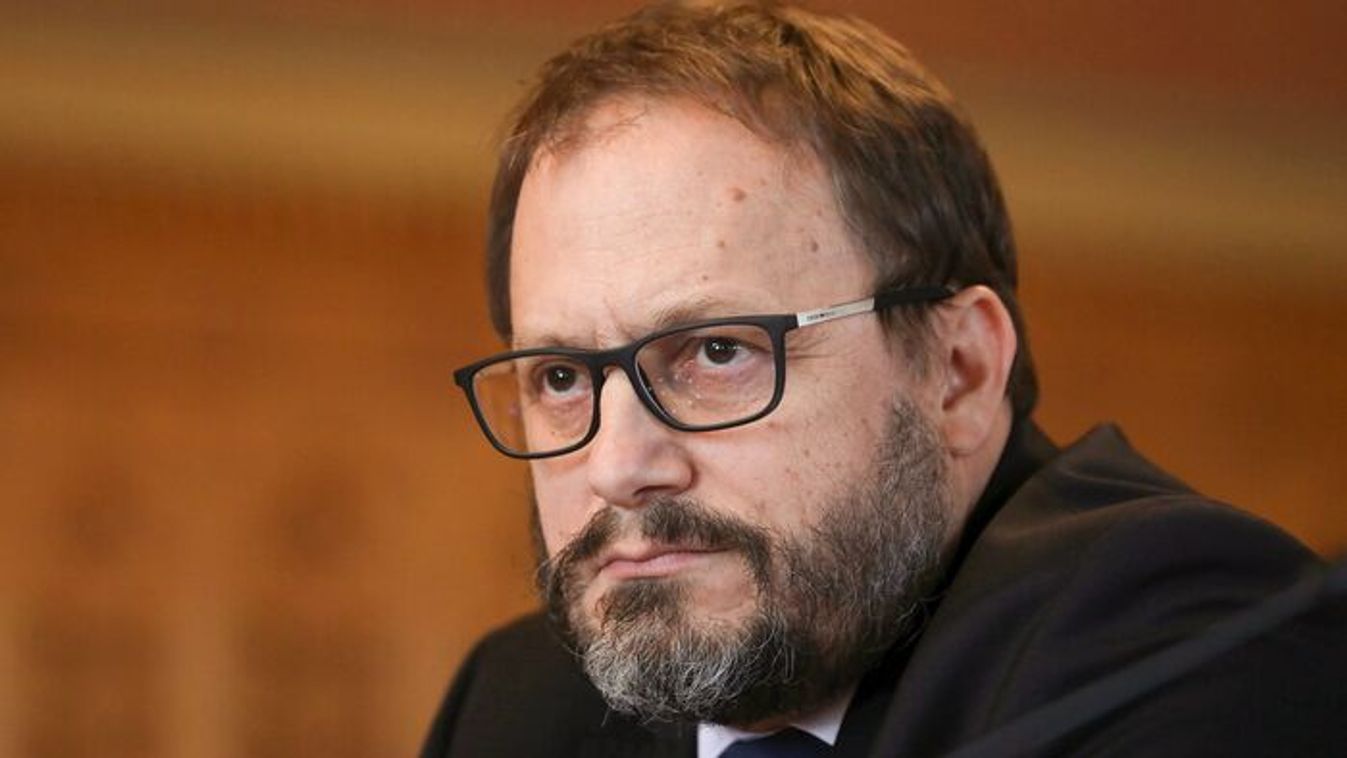
Targeting the Druzhba oil pipeline carries a political message for Budapest (Source: AFP)
VéleményhírlevélJobban mondva - heti véleményhírlevél - ahol a hét kiemelt témáihoz fűzött személyes gondolatok összeérnek, részletek itt.

To date, no crude oil has been arriving to Hungary and Slovakia through the Druzhba pipeline, according to official statements. A section of the pipeline near Brody in Ukraine was reportedly hit by a Russian attack on January 27, according to a February 12 statement by Ukrainian Foreign Minister Andrii Sybiha, and the fire was extinguished within ten days.

Illusztráció. Barátság kőolajvezeték
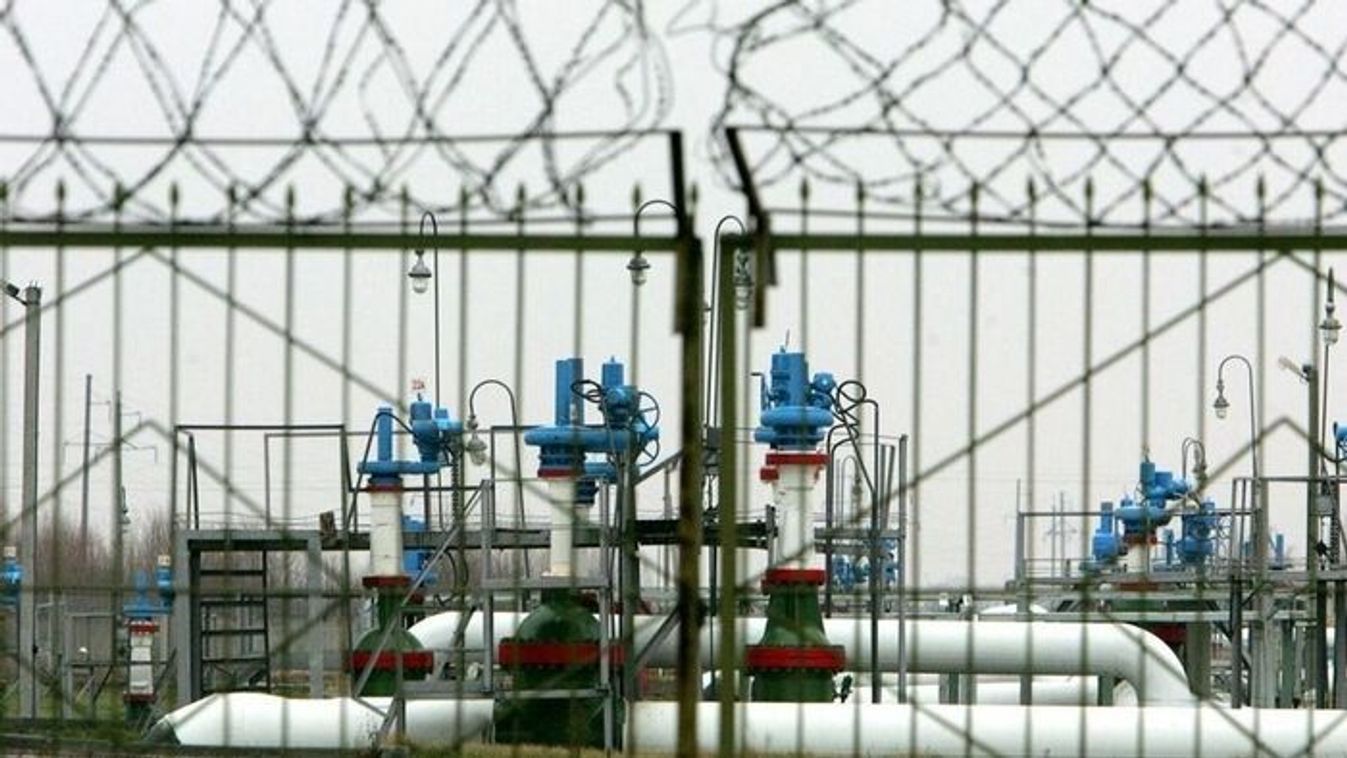
For quite some time now, no oil has been arriving to Hungary via the Druzhba pipeline, prompting the Hungarian government to seek alternative solutions (Photo: Andras Peter Nemeth)

However, the Ukrainians have not communicated the most important information: how long repairs will take and when deliveries are expected to resume. It is even stranger that Ukrainian press reports on January 27 mentioned only a Russian attack on western Ukrainian facilities of Naftogaz, where oil products caught fire. Druzhba appeared in that report merely as a "crude oil pipeline passing near Brody."

Speaking on Kossuth Radio's Sunday morning program, Miister of Foreign Affairs and Trade Peter Szijjarto referred to the deliberate shutting off of the oil tap and stated that Druzhba itself had not been damaged. Technically, the pipeline is operational, but oil is not flowing due to a political decision by the Ukrainian leadership.

As previously reported by Magyar Nemzet, Peter Szijjarto said that in the given situation Hungary and Slovakia must increase oil imports via the alternative Adriatic pipeline. This request was formally communicated in a joint letter to the Croatian government.

Citing oil industry sources on February 13, Russia’s state news agency TASS reported that Ukrtransnafta, the company responsible for oil transit, is technically ready to restart deliveries via the Druzhba pipeline, but the company management has not authorized the restart. According to the same sources, the emergency at the production and control station in Brody was resolved by February 6, yet pumping has not resumed.

The Real Capacity of the Adriatic Pipeline May Finally Be Tested

Zagreb is now weighing the Hungarian and Slovak request. The situation is complex. The operator of the Adriatic pipeline, Janaf — and with it the Croatian state budget — is highly dependent on meeting Hungarian and Slovak crude oil demand, as orders from its main client, Serbia’s NIS, have declined during the months of U.S. sanctions affecting the Serbian refinery.

If Janaf decides to comply with the request from Hungary and Slovakia, it could finally become clear how much oil the Adriatic pipeline can actually transport. Last summer, conflicting corporate statements from the Hungarian and Croatian sides created uncertainty about its true capacity.

The situation is uncertain for the following reasons:

  • Although EU sanctions prohibit the resale of seaborne Russian crude oil, this restriction does not apply to Hungary and Slovakia. This means that oil shipments could arrive at the ports of Novorossiysk and Omisalj and then be transported through the Adriatic pipeline to Hungarian and Slovak refineries as requested. Ultimately, transportation from Croatia would already take place within the European Union.
  • At the same time, Janaf could decide that since Russian oil arriving in Omisalj originates from outside the EU, it will not transit it inland. It could stipulate that only non-Russian oil be delivered to Hungary and Slovakia. In this case, Hungary’s MOL would face a disadvantageous but manageable situation. It should also be noted that both importing countries have 90-day strategic reserves.

Orlen Could Be the Beneficiary

According to an earlier report by Vilaggazdasag, it may not be in Ukraine’s interest to block Russian oil shipments destined for Hungary, since Ukraine purchases diesel refined by MOL — produced from Russian oil — primarily for its tanks. However, this cannot be stated categorically. Ukraine can purchase diesel elsewhere, first and foremost from Poland, where Orlen is likely ready to fulfill large Ukrainian orders or may have already increased such exports.

Several factors complicate the picture:

  • the absence of clear Ukrainian communication about restarting transit,
  • the lack of official Russian statements on the issue,
  • and the absence of a formal statement from MOL, which is awaited by the business daily Vilaggazdasag.

Perhaps MOL’s silence speaks volumes. If there were a serious disruption in Hungary’s oil supply, the company — as a publicly listed firm — would be obliged to report it. Any such disruption could, however, be avoided by ramping up imports via the Adriatic route.

Energy market expert Jozsef Balogh reiterated his earlier statement to Vilaggazdasag: unlike electricity and gas deliveries with real-time data anyone can access on an ongoing basis, oil transmission is not transparent. In fact, we do not know where the oil comes from, where it goes, or how much of it arrives. We can only rely on announcements. 

Assuming Ukraine is indeed working to restart deliveries via Druzhba as soon as possible, it could request assistance from Hungary, which has a direct interest in transit. Hungarian authorities could likewise offer support. This would not be unprecedented: the Hungarian grid operator Mavir has previously assisted in repairing Ukraine’s electricity network damaged in the war.

While there is no public information about the exact role Hungary’s system operator is playing in restoring Ukraine’s electricity infrastructure, it is well known that maintaining the functionality of Ukraine’s power grid is a shared interest. During summer months, large quantities of electricity flow from Ukraine, while in winter Hungarian electricity traders export even larger volumes to Ukraine.

Komment

Összesen 0 komment

A kommentek nem szerkesztett tartalmak, tartalmuk a szerzőjük álláspontját tükrözi. Mielőtt hozzászólna, kérjük, olvassa el a kommentszabályzatot.


Jelenleg nincsenek kommentek.

Szóljon hozzá!

Jelenleg csak a hozzászólások egy kis részét látja. Hozzászóláshoz és a további kommentek megtekintéséhez lépjen be, vagy regisztráljon!

A téma legfrissebb hírei

Tovább az összes cikkhez chevron-right

Ne maradjon le a Magyar Nemzet legjobb írásairól, olvassa őket minden nap!

Google News
A legfrissebb hírekért kövess minket az Magyar Nemzet Google News oldalán is!

Címoldalról ajánljuk

Tovább az összes cikkhez chevron-right

Portfóliónk minőségi tartalmat jelent minden olvasó számára. Egyedülálló elérést, országos lefedettséget és változatos megjelenési lehetőséget biztosít. Folyamatosan keressük az új irányokat és fejlődési lehetőségeket. Ez jövőnk záloga.