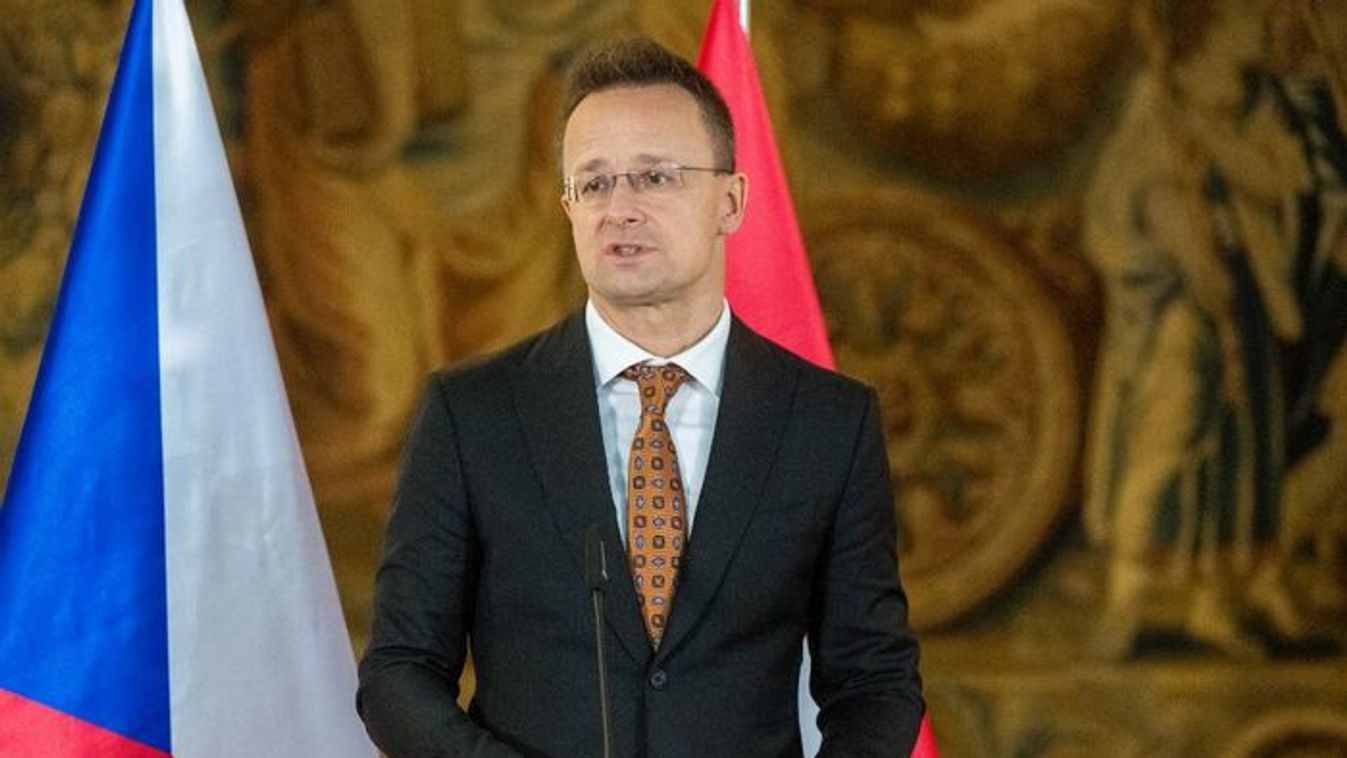
Regarding the completion date, Peter Szijjarto said that the nuclear power plant must be connected to the Hungarian electricity grid at the beginning of the next decade, meaning it is expected to be completed in 2031–2032.
Based on international experience, from the current phase, it takes five to seven years to build such a facility. The interviewer noted that some estimate ten years, but the minister said he was not that pessimistic and will do everything possible to ensure the shorter timeframe is achieved.
The project is being financed largely from a Russian loan, and according to the Foreign Minister, repayment installments are already being made. He did not wish to go into detail on exact amounts or repayments, noting that this falls under the remit of the Finance Ministry.
He emphasized, however, that under the 2014 contract with Russia, this is currently the cheapest nuclear power plant construction project underway in Europe.
He justified the choice of Rosatom technology by noting that the existing Paks units were also built using Rosatom technology in the 1980s, making it logical and safe to continue with the same system for reasons of compatibility. In his words, it is not worth embarking on "adventures."
The IAEA Director General recently visited Paks and described the reactors as world-class, cutting-edge technology,
he added. He also highlighted that the project is not exclusively Russian: German and Hungarian companies are working on site, French companies are supplying control technology, and major equipment is being manufactured in Germany, France, and Russia.
This is not a Russian project but an international project led by the Russians,
the minister said.