PM Orban: Hungary Has Significant Fuel Reserves to Tide Us Over

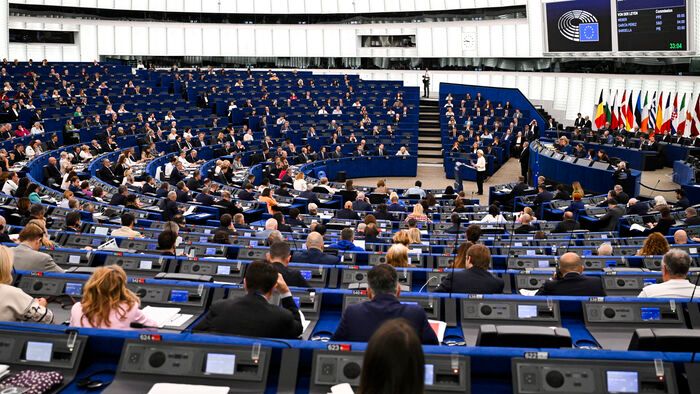
Opposition MPs addressed questions to the prime minister in the parliamentary session, most representatives for the last time.

2026. 03. 10. 12:23
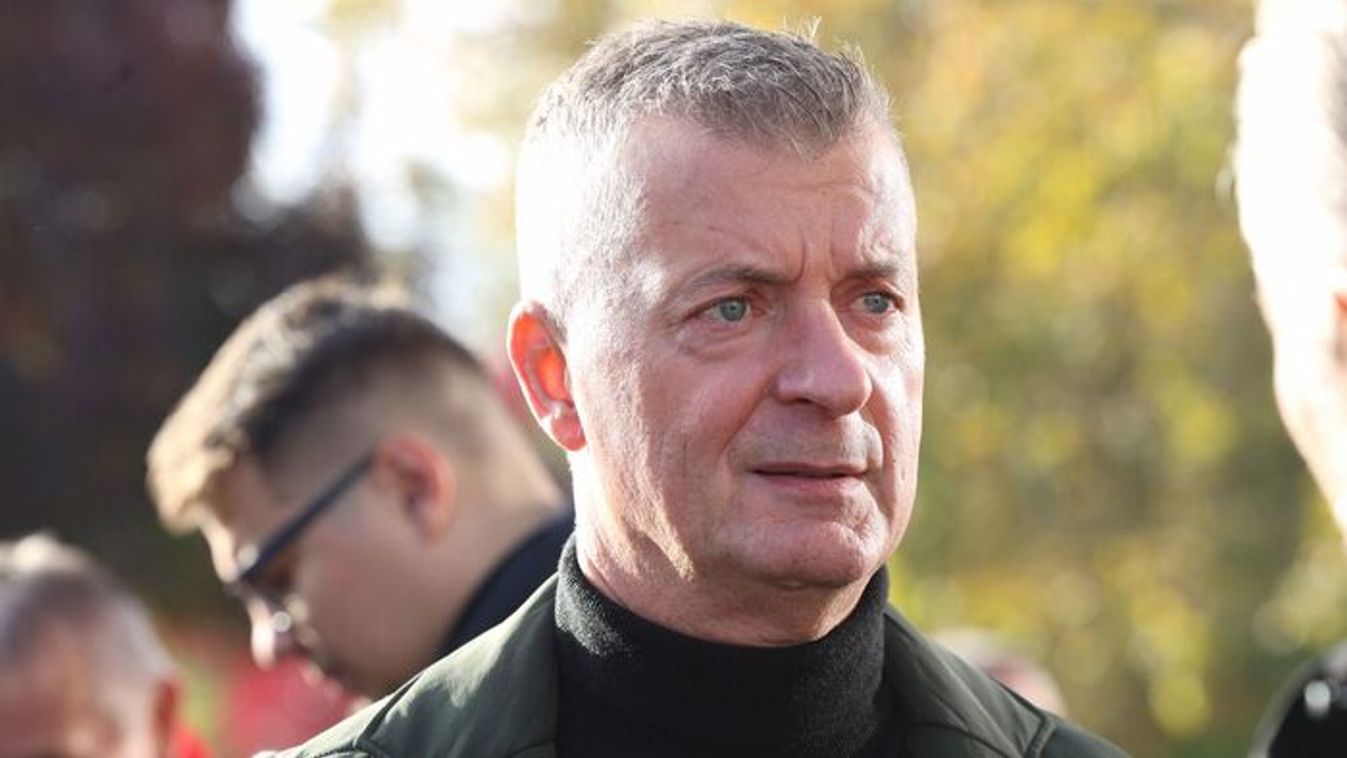
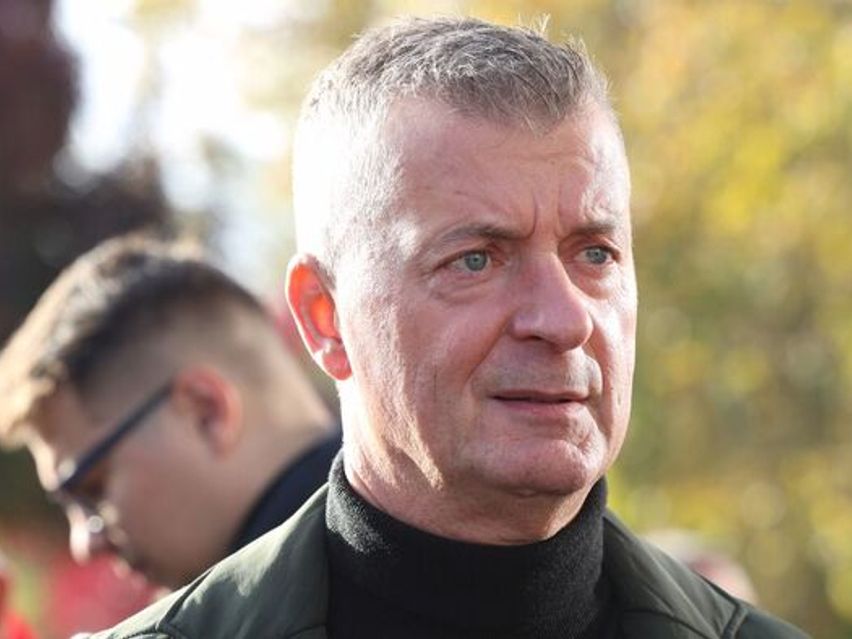
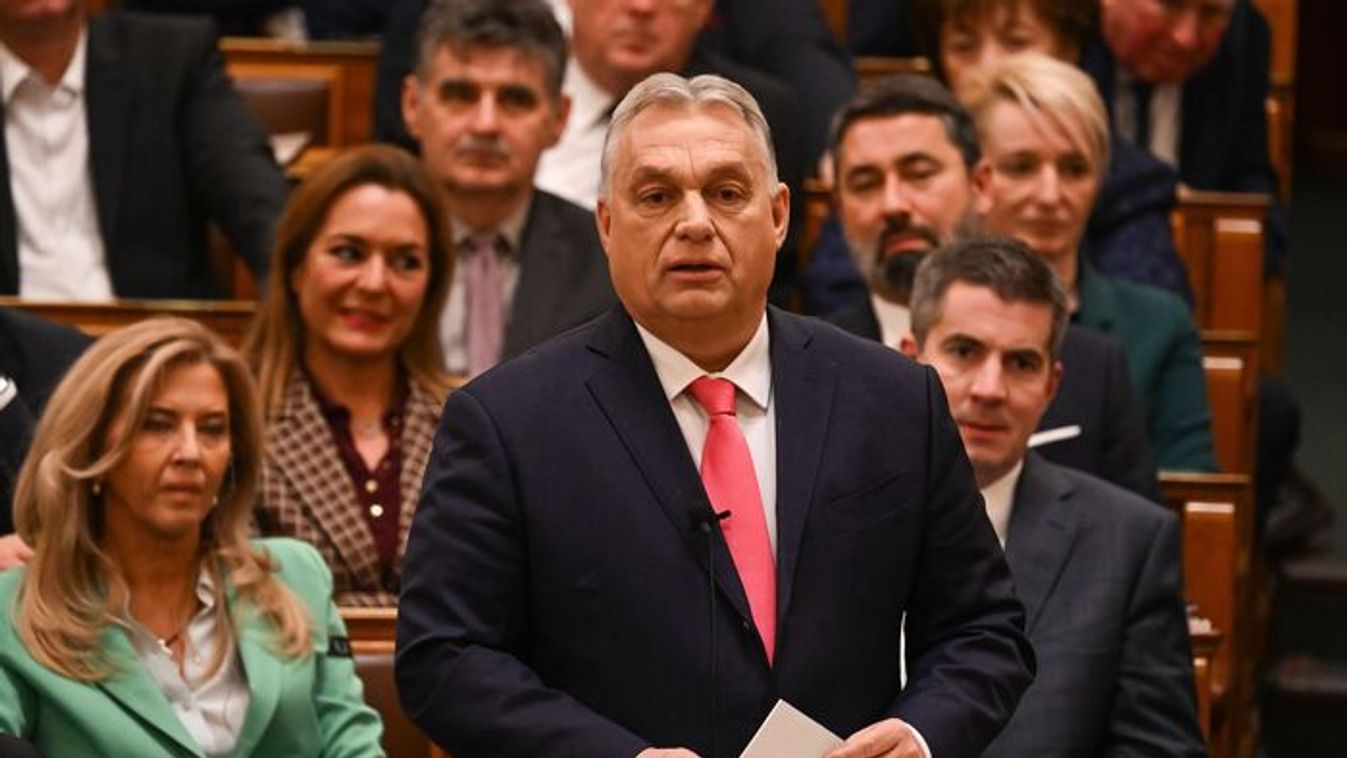
Hungary's Prime Minister Viktor Orban (Photo: MTI)
VéleményhírlevélJobban mondva - heti véleményhírlevél - ahol a hét kiemelt témáihoz fűzött személyes gondolatok összeérnek, részletek itt.

Opposition members of parliament questioned Prime Minister Viktor Orban in the Hungarian Parliament—many of them likely for the last time in this format. Responding to a question from MP Gergely Arato, the prime minister remarked that he understands why the politician from the Democratic Coalition (DK) is interested in the future, since he will no longer be in Parliament after the next election. PM Orban suggested that Arato follow future political developments in the assembly from television broadcasts instead. He added that it is also a “fine goal” for a party to run in an election simply to block the formation of governing coalitions.

Arato had asked whether PM Orban would consider forming a coalition with Laszlo Toroczkai’s party, Our Homeland Movement (MHM), after the next election. The prime minister responded that Arato’s political camp had done something similar in 2002 when it formed a coalition with the Alliance of Free Democrats (SZDSZ), thereby preventing Fidesz—which had won the election—from governing.


Victims of Foreign Currency Loans: Courts Must Decide

Daniel Z. Karpat of Jobbik asked about borrowers harmed by foreign-currency loans, describing the issue as unresolved. He suggested freezing collection enforcement procedures and returning responsibility for the matter to the government until the European court provides a solution.

PM Orban recalled that when his government took office in 2010 it inherited more than one million foreign-currency loan holders left dry from previous left-wing governments, about 90 percent of these debts were denominated in Swiss francs.

The government," PM Orban said, "had done everything possible—pushing the boundaries of constitutionality—to resolve the matter. From this point on, however, the interests of borrowers must be represented by the courts.

He also made clear that he would not support any proposal that would return the issue to direct government control.

“This Is Why It’s Good That MHM Will Not Govern”

Responding to a question from the Our Homeland Movement President Laszlo Toroczkai on the collections authority abuses, PM Orban said that those responsible for abuses had already been detained by law enforcement authorities and that the matter is now before the courts. The government, he said, will not interfere in judicial proceedings but will provide all necessary assistance.

Toroczkai then remarked that he personally wanted to watch the demolition of the luxury villa belonging to Gyorgy Schadl. Orban replied that lawmakers are responsible for bringing legislation, not bringing charges—adding that this is precisely why it is good that the Our Homeland Movement will not form a government.

Institutions for Juvenile Offenders Moved Under the Prison System

Andras Jambor asked the prime minister about the case connected to Szolo Street and broader child protection issues, including the question of responsibility. PM Orban noted that Hungary’s child protection system has several components. The matter raised by the opposition lawmaker concerns roughly 22,000 children who are not being raised by their biological parents. Two-thirds of them live with foster families.

He emphasized that the government has strengthened the foster-care system, which he said is now stronger than ever before.

The remaining one-third live in state institutions, including some juvenile offenders. The government provides them with assistance, he said, but also classifies the latter group primarily as criminals. For this reason, these institutions have been moved from the social welfare system into the correctional system.

Government Will Not Yield to Ukrainian Pressure

Responding to an immediate question from Fidesz MP Mate Kocsis, Orban said Ukraine has four demands: support the war, provide money, cut ties to Russian energy, and allow Ukraine to join the European Union. The prime minister stated that the Hungarian government does not intend to comply with any of these demands. He added that Hungary will not make concessions under pressure.

PM Orban announced that 

state fuel reserves have been released and protected price caps have been introduced, which will take effect after midnight on Monday.

Hungary, he said, possesses significant fuel reserves and he expects them to last. In his view, the pressure campaign led by Volodymyr Zelenskyy will ultimately fail and normal conditions will be restored.

Hungary has the strength to hold its position, he said, adding that the government will block all relevant decisions within the European Union until Ukraine stops its pressure tactics. Ukraine, he added, has contractual obligations to allow oil that Hungary has purchased to transit through its territory.

PM Orban: Hungary Is Interested in Ukraine’s Survival

In response to a question from Balazs Barkoczi of the Democratic Coalition (DK), Orban said it is an exaggeration to blame Hungary for tensions related to the conflict between Iran and Israel.

He also stressed that Hungary has an interest in Ukraine’s survival, since it is important for Hungary to have a buffer between itself and Russia. This, he said, helps guarantee the security of the Hungarian people. For this reason, Ukraine can count on Hungary’s support—although Budapest envisions the future differently than Kyiv. He doesn't want such a state as a member, as Ukraine is still spewing threats.  

Orban added that the European Union would be strengthened if Brussels abandoned what he described as its ambitions toward imperial-style centralization.


PM Orban to Olga Kalman: “Voters Have Already Decided”

Opposition politician Olga Kalman attempted to assess the past 16 years of Fidesz government, claiming the central issue had been corruption. “Where is the money?” she asked.

Orban replied that the most corrupt government in Hungarian history had been the administration of Ferenc Gyurcsany. According to the prime minister, national wealth evaporated during those years and had to be recovered by the right-wing government.

He also blamed Gyurcsány’s governments for creating the foreign-currency loan crisis by abolishing housing subsidies and pushing people into foreign-currency loans in cooperation with banks.

“They looted the entire eight years they were in power,” Orban said.

Kalman responded that neither she nor the Hungarian people are living well, despite what the prime minister might believe.

PM Orban answered that voters have already settled that debate.

“That is why we will be the ones entering parliament, while you will not,” he said.

He concluded by noting that when the Gyurcsany governments left office, Hungary’s national debt stood at 80 percent of GDP, which his government reduced to below 70 percent. He also said the previous government had sold shares of the energy company MOL Group to Russian interests at the last moment—shares that his government later managed to buy back.

Cover photo: Hungary's Prime Minister Viktor Orban (Photo: MTI)


Komment

Összesen 0 komment

A kommentek nem szerkesztett tartalmak, tartalmuk a szerzőjük álláspontját tükrözi. Mielőtt hozzászólna, kérjük, olvassa el a kommentszabályzatot.


Jelenleg nincsenek kommentek.

Szóljon hozzá!

Jelenleg csak a hozzászólások egy kis részét látja. Hozzászóláshoz és a további kommentek megtekintéséhez lépjen be, vagy regisztráljon!

A téma legfrissebb hírei

Tovább az összes cikkhez chevron-right

Ne maradjon le a Magyar Nemzet legjobb írásairól, olvassa őket minden nap!

Google News
A legfrissebb hírekért kövess minket az Magyar Nemzet Google News oldalán is!

Címoldalról ajánljuk

Tovább az összes cikkhez chevron-right

Portfóliónk minőségi tartalmat jelent minden olvasó számára. Egyedülálló elérést, országos lefedettséget és változatos megjelenési lehetőséget biztosít. Folyamatosan keressük az új irányokat és fejlődési lehetőségeket. Ez jövőnk záloga.