Despite Brussels’ Dangerous Misstep, Hungary Stands by Its Energy Security

The European Union is preparing a total ban on Russian energy, which experts say could tear apart Europe’s energy security and place drastic burdens on households. Oliver Hortay, director of the Szazadveg Research Institute, sees Brussels pushing an ideologically based ban policy. Hungary, by contrast, is working to maintain stable supplies and low energy costs—Prime Minister Viktor Orban has held talks with the U.S., Russian, and Turkish presidents to this end. The government says the EU's plans are endangering Europe’s competitiveness and the safety of Hungarian families.

2025. 12. 12. 12:43
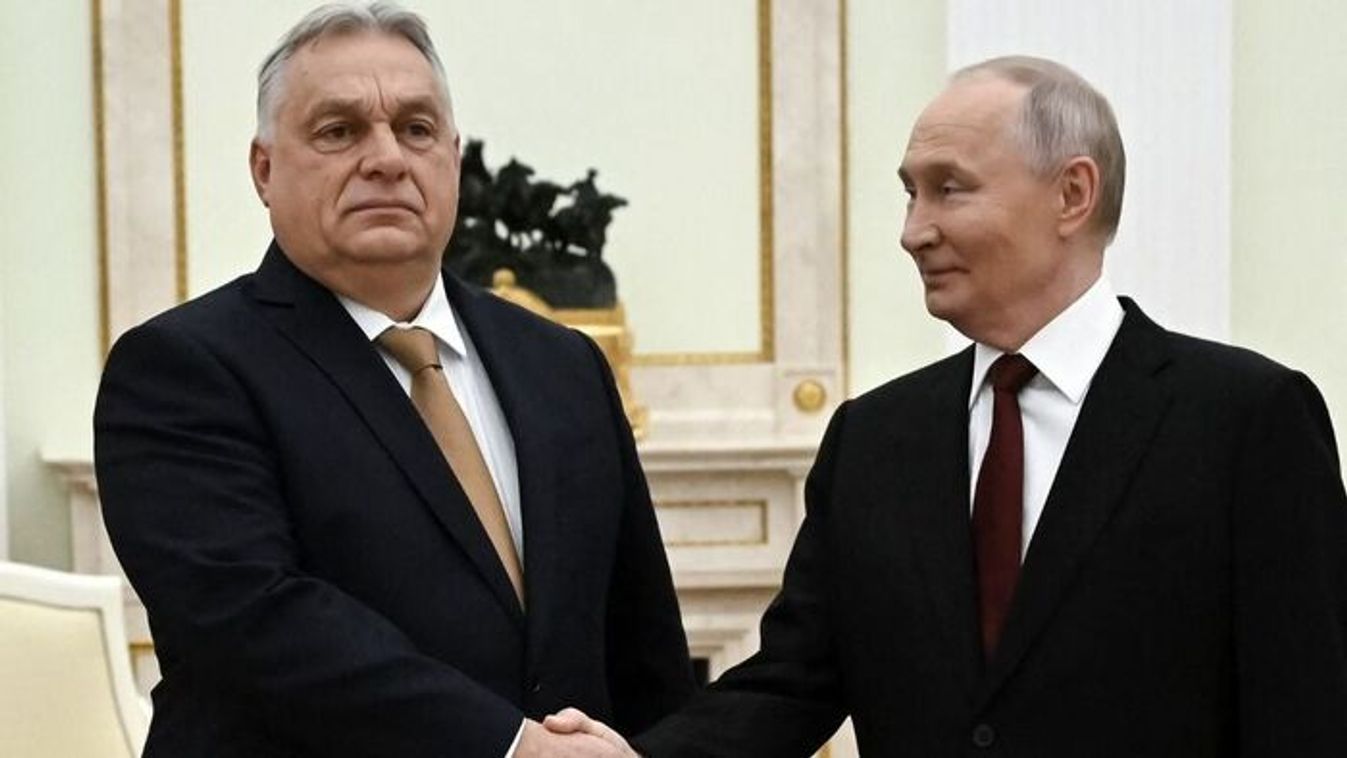
Russian President Vladimir Putin and Hungarian PM Viktor Orban shake hands during a meeting at the Kremlin in Moscow on November 28, 2025. (Photo: Alexander NEMENOV / POOL / AFP)
VéleményhírlevélJobban mondva - heti véleményhírlevél - ahol a hét kiemelt témáihoz fűzött személyes gondolatok összeérnek, részletek itt.

The EU’s plan to ban Russian gas threatens Europe’s energy security, particularly for Central and Southeastern European countries. The proposal includes terminating both long- and short-term contracts, even though several countries in the region—including Hungary—still rely heavily on Russian gas for their supply. Budapest argues that the ban would not enhance but undermine energy security, imposing significant burdens on households. Experts predict short-term price increases of 5–10 percent across Europe.

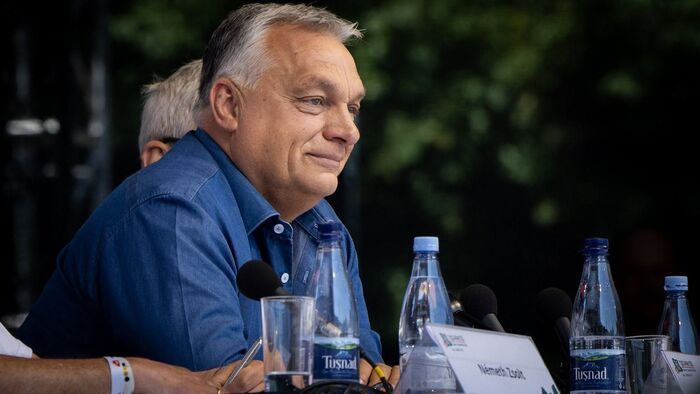
Magyarország azért dolgozik, hogy megőrizze a stabil ellátást és az alacsony rezsit – ennek érdekében tárgyalt Orbán Viktor az amerikai, az orosz és a török elnökkel is (Fotó: OLIVER CONTRERAS / AFP)
Hungary is working to maintain stable energy supplies and low utility costs — Prime Minister Viktor Orban has held talks with the U.S., Russian, and Turkish presidents to this end (Photo: AFP/Oliver Contreras)

At the same time, Hungary is working through trilateral diplomacy to stabilize its energy supply. Viktor Orban held talks in Washington, Moscow, and Istanbul, reaching agreements that ensure uninterrupted deliveries of gas, crude oil, and nuclear fuel. According to the government, without these arrangements, household energy costs would rise dramatically. The goal of the talks was to maintain predictable energy supplies, while Hungary continues to oppose EU energy policy measures, which it believes threaten Europe’s competitiveness and Hungarian household protection.

In terms of energy policy, Brussels is leading Europe into an dead end

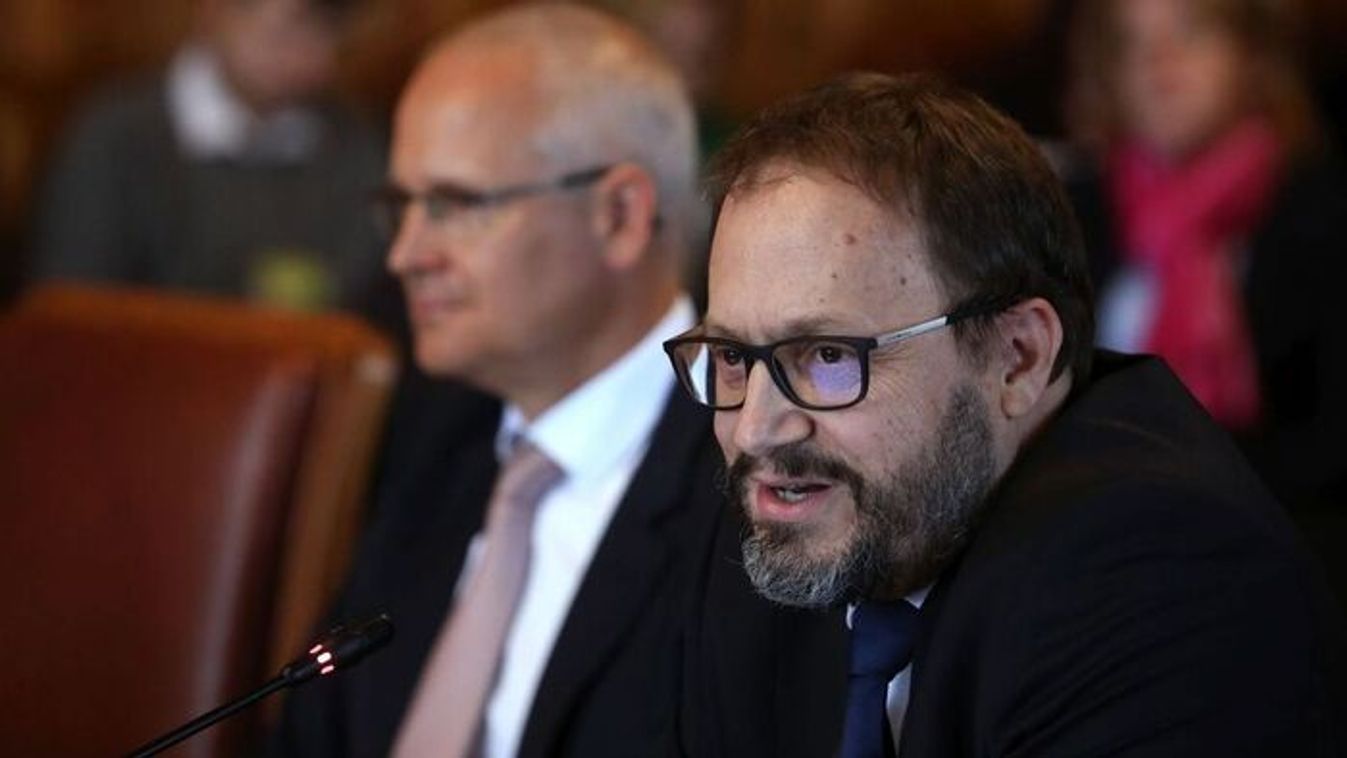
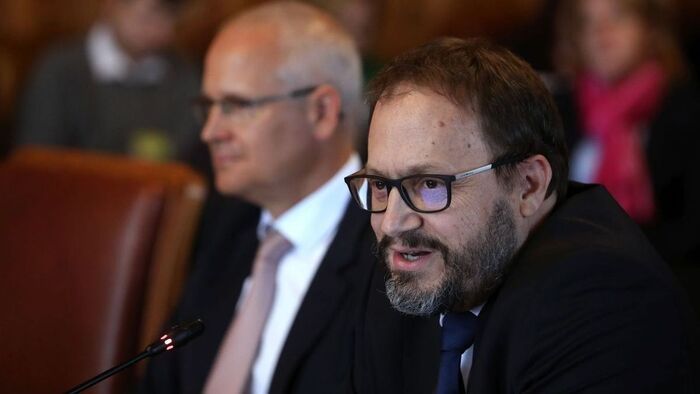
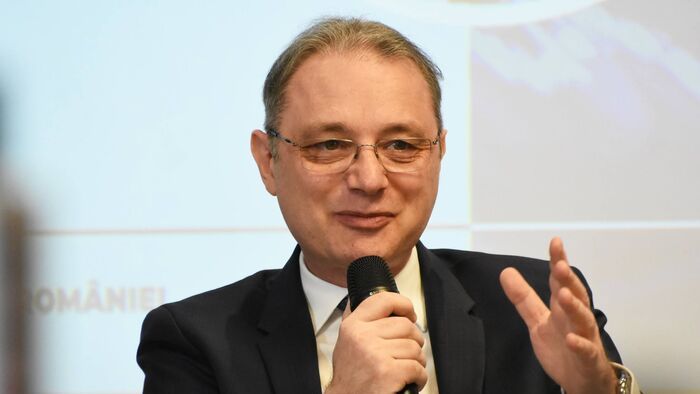
Oliver Hortay, director of the Szazadveg Research Institute, pointed out that Europe remains trapped in an energy crisis following the 2022 price surge. Although market prices have eased, they remain far higher than pre-crisis levels, while a European industrial company pays four to five times more for gas and two to three times more for electricity than an American competitor. Household costs are even heavier: on average, the price of electricity is 60 percent more expensive, while gas prices are 125 percent higher than in the United States.

Mr. Hortay attributes this situation to two factors: the war premium, caused by sanctions related to the Russia–Ukraine conflict, and the carbon premium, which places multiple burdens on European producers.

The war-induced price premium is restricting supply artificially, while the carbon premium puts European industry at a competitive disadvantage,

 – he said. 

Despite member states asking Brussels to improve competitiveness, the European Commission is acting in the opposite direction: the RepowerEU package would “permanently ban Russian energy carriers from the European market.” According to Mr. Hortay, this is not a technical, but a purely ideological objective.

Due to the region’s exposure, such a measure would hit Hungary particularly hard. Szazadveg calculations show that if Brussels cut off Russian energy supplies, gasoline and diesel prices would rise above 1,000 forints per liter, and household energy costs would triple — adding roughly 510,000 forints per year for an average family.

Many households would simply not be able to afford this,

– he added.

For this reason, Hungary is protecting energy security through multi-directional diplomacy. Viktor Orban recently held talks in Washington, Moscow, and Istanbul.

The sanctions exemption secured in the U.S. removed one of the greatest risks from Hungary’s energy supply, while talks with Russia and Turkey strengthened the security of delivery routes.

Turkey plays a key role: the TurkStream pipeline is the last route bringing large volumes of Russian gas into Europe, making it an essential element of Hungary’s gas supply.

Attacks on physical infrastructure—the Nord Stream explosions or Ukrainian attacks on the Druzhba pipeline—further increase the risks. Hortay says this makes it vital for Hungary to maintain a balanced relationship with Russia and Turkey:

From time to time, it is necessary for the parties to meet and reinforce cooperation.

Overall, Oliver Hortay concludes that the energy policy diktat just adopted by the European Commission would have catastrophic economic and social consequences while offering virtually no reasonable benefit.

Hungary’s position is clear: Brussels’ energy policy deepens Europe’s energy crisis, threatens competitiveness and household energy protection, while Hungarian diplomacy aims to ensure stable supplies and protect family burdens—through international cooperation on three fronts.

Cover photo: Hungarian PM Viktor Orban and Russian President Vladimir Putin (Photo: AFP)

A téma legfrissebb hírei

Tovább az összes cikkhez chevron-right

Ne maradjon le a Magyar Nemzet legjobb írásairól, olvassa őket minden nap!

Google News
A legfrissebb hírekért kövess minket az Magyar Nemzet Google News oldalán is!

Komment

Összesen 0 komment

A kommentek nem szerkesztett tartalmak, tartalmuk a szerzőjük álláspontját tükrözi. Mielőtt hozzászólna, kérjük, olvassa el a kommentszabályzatot.


Jelenleg nincsenek kommentek.

Szóljon hozzá!

Jelenleg csak a hozzászólások egy kis részét látja. Hozzászóláshoz és a további kommentek megtekintéséhez lépjen be, vagy regisztráljon!

Címoldalról ajánljuk

Tovább az összes cikkhez chevron-right

Portfóliónk minőségi tartalmat jelent minden olvasó számára. Egyedülálló elérést, országos lefedettséget és változatos megjelenési lehetőséget biztosít. Folyamatosan keressük az új irányokat és fejlődési lehetőségeket. Ez jövőnk záloga.