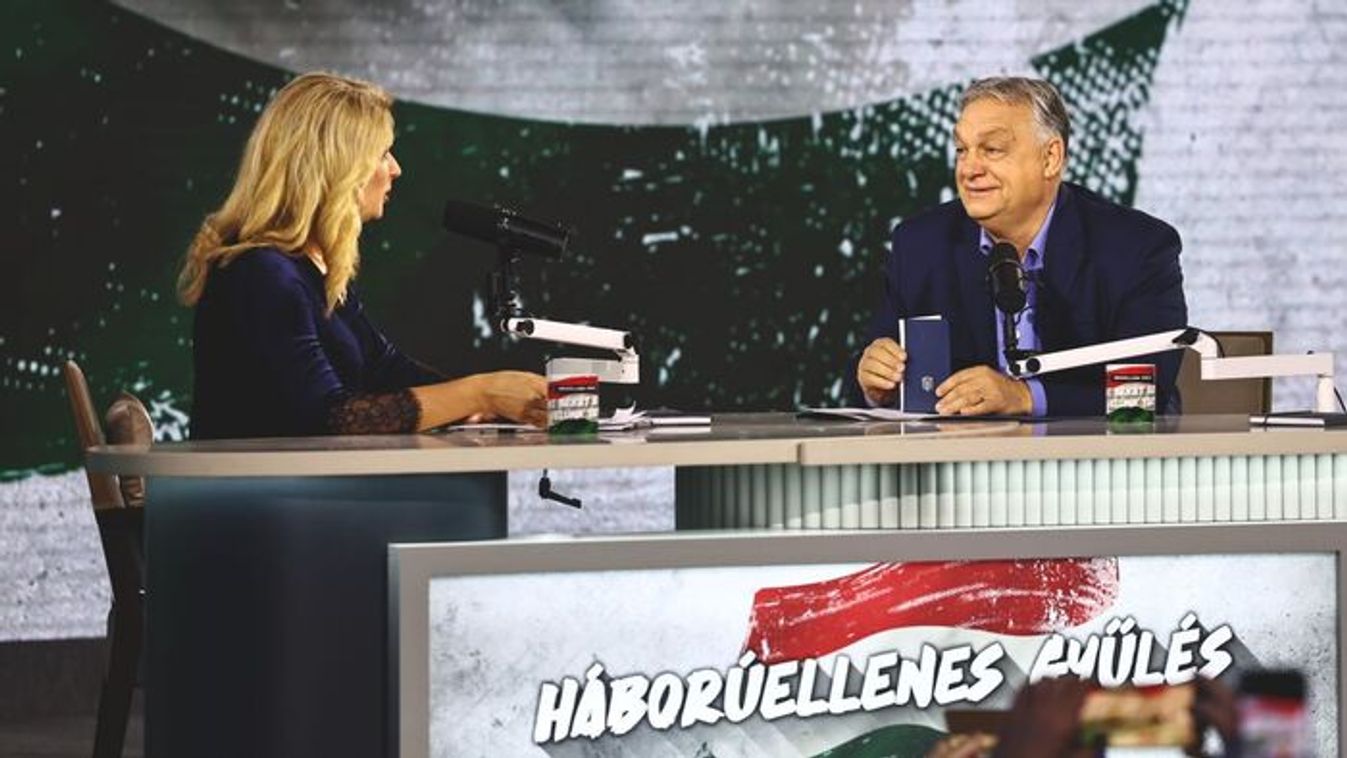
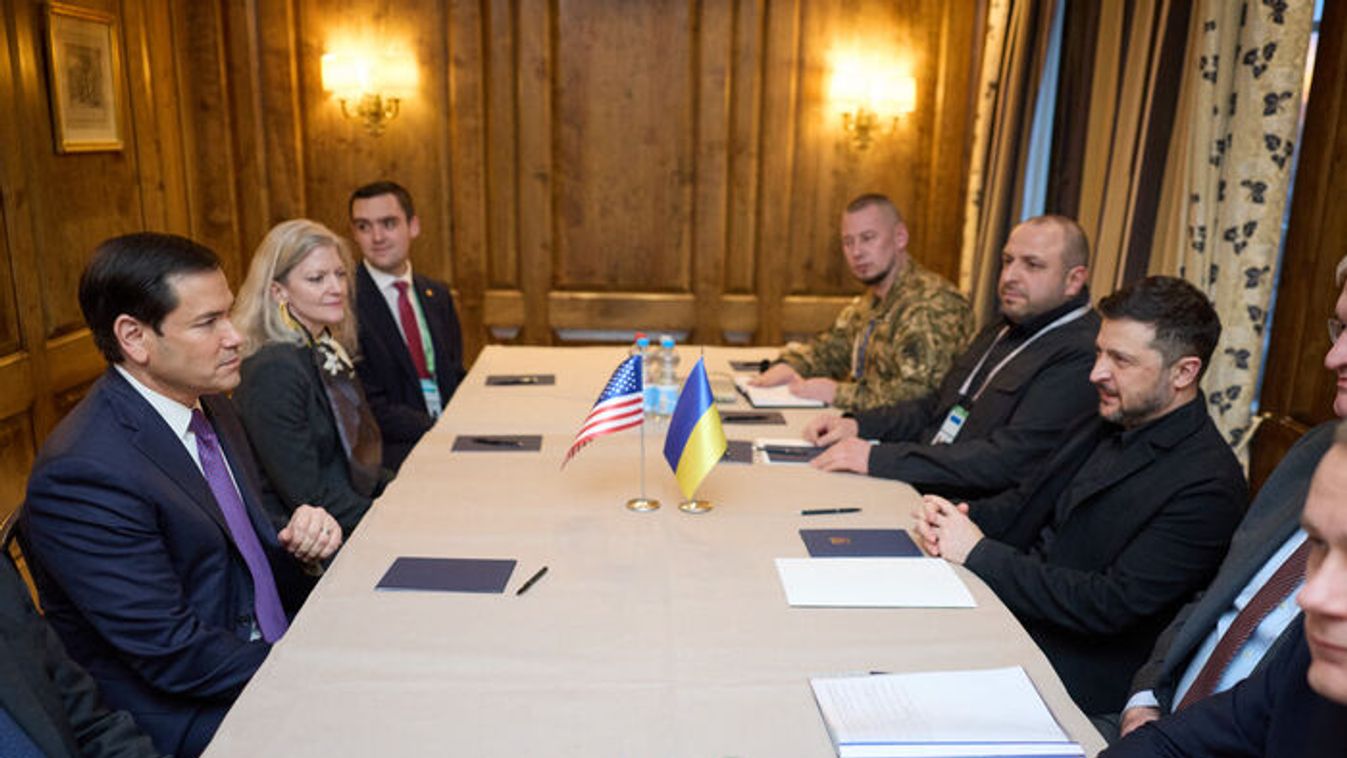
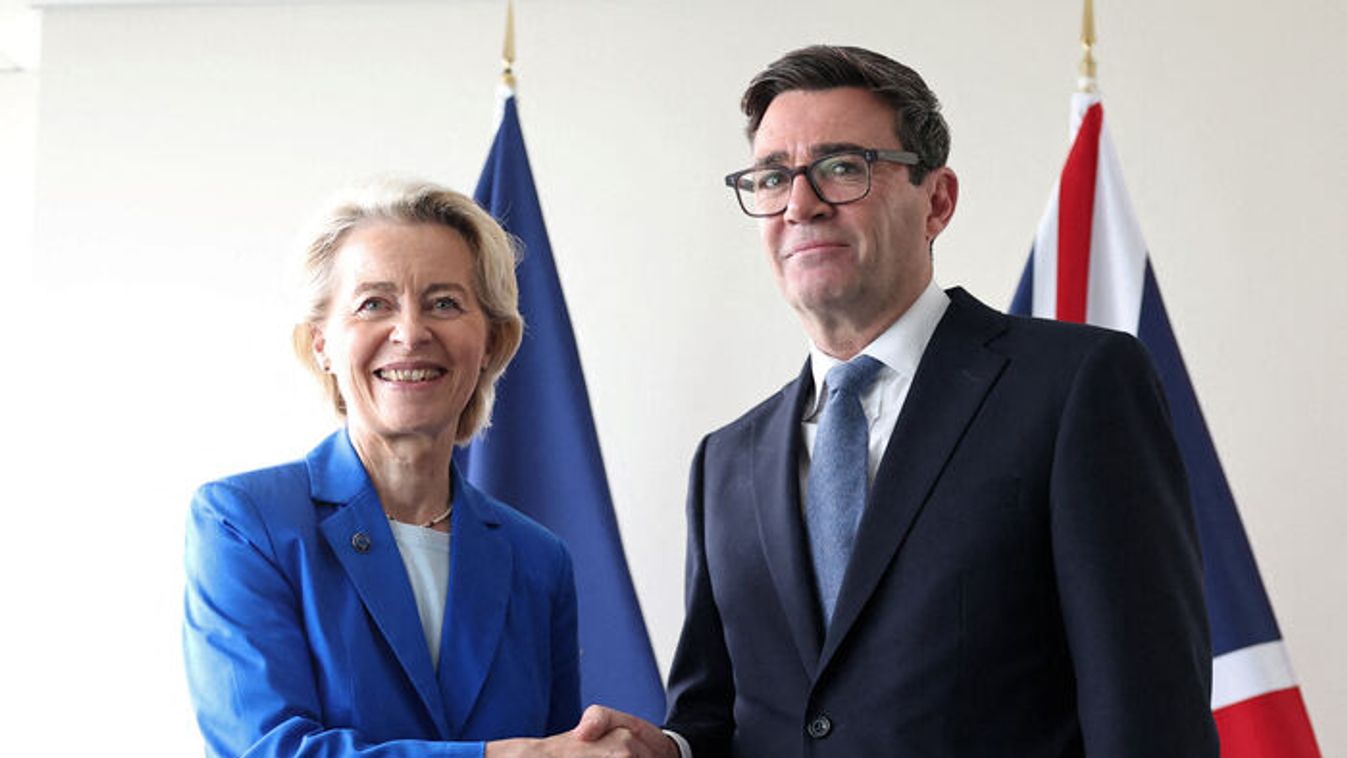
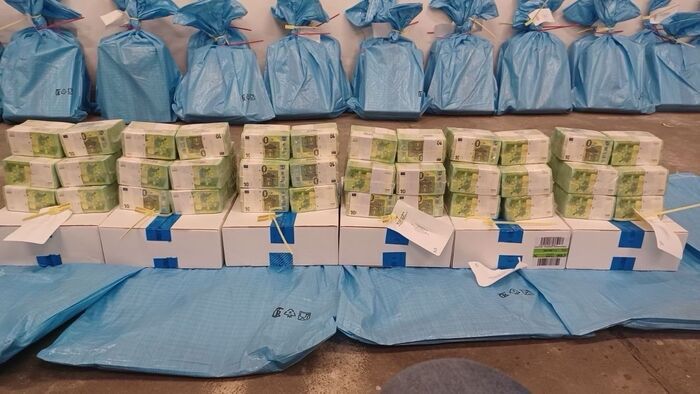
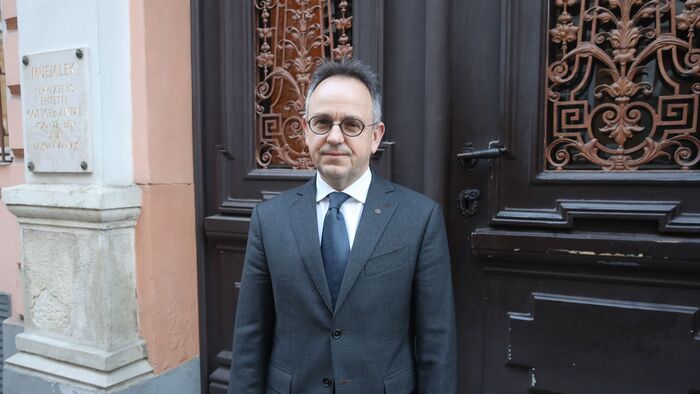
According to Nezopont's Director of Analysis, the key line in PM Orban’s speech was that freezing Russian assets stored in Belgium constitutes a declaration of war by the European Union on Russia. He said the Brussels decision on this issue is paving the way for next week’s European Council meeting, which will be crucial regarding the war. At present, the war issue appears to be a display of power and political maneuvering on the part of Brussels, but the prime minister made it clear that this is part of preparations for war—an important and timely political message.
From this, two conclusions can be drawn. First, it shows what kind of future Brussels envisions for the European Union and its member states—one in which the views of certain countries are disregarded by blocking the possibility of vetoes. Second,
once again—just as was the case with migration—the fact is being ignored that certain EU countries, especially Hungary, do not want to go to war with Russia.
“With all of this, they are preparing the EU and its population for a war against Russia,” Boros pointed out.

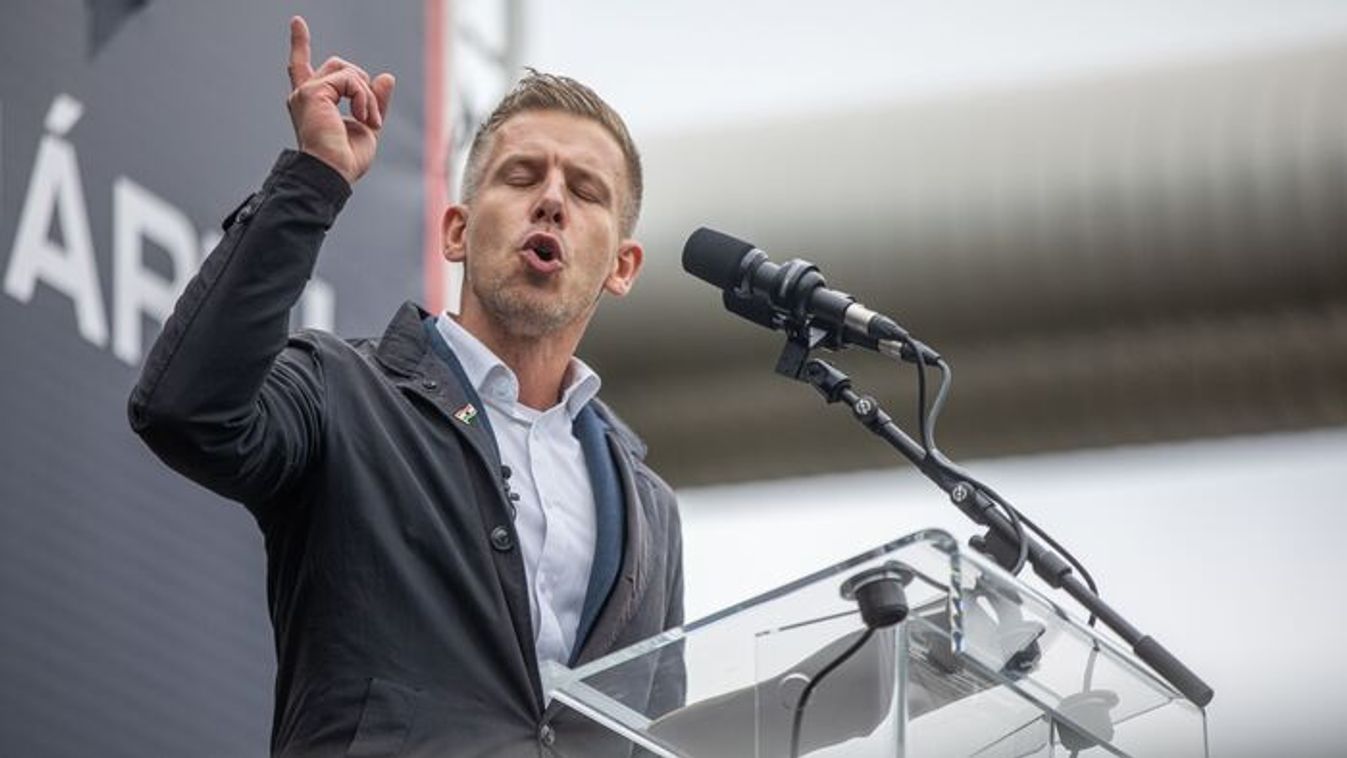
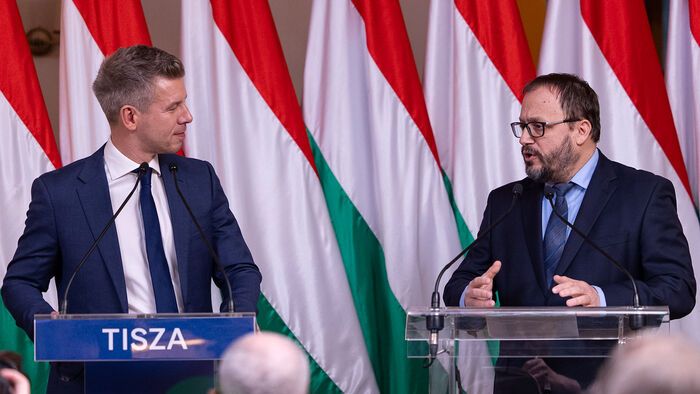
Boros emphasized that, like all previous anti-war rallies in Hungary, yesterday's event in Mohacs stands in stark contrast—both in substance and style—to the appearances associated with Tisza Party chief Peter Magyar. The conversational format with the prime minister was important, he said, because it offered insight into PM Orban’s social and political philosophy and the depth of his thinking, thereby shedding light on the results of his governance to date, as well as his future goals—whether regarding current political issues or the post-election period after April.
By contrast, secrecy prevails within the Tisza Party, marked by loud and aggressive statements, unfounded accusations, and the concealment of reality, the analyst assessed.
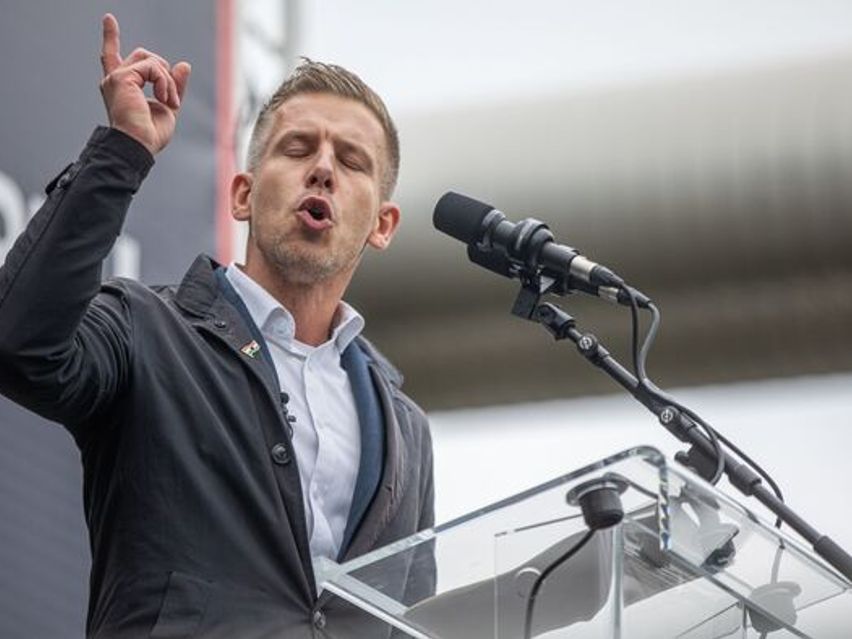
Peter Magyar Flailing, Decides Against Appearing in Mohacs
The analyst added that by winter it had become clear that Pter Magyar’s nationwide tour and his provocative events organized in the direct proximity of anti-war rallies had failed. The clearest admission of this failure, he said, was that Magyar did not even travel to Mohacs.
The situation within the Tisza Party is dire. Desperation is evident, as every reliable public opinion poll confirms that Peter Magyar’s movement is not only unable to close the gap with Fidesz, but is steadily falling further behind. Failures are piling up: the unsuccessful nationwide tour, the leak of personal data belonging to Tisza supporters, and the exposure of a left-wing austerity package—which they are now trying to deny—are all part of this pattern.
Meanwhile, the government has clear and firm priorities and ideas, which are well known to the public, as it communicates its positions openly and clearly. In this situation, Peter Magyar and the political circle supporting him are attempting to divert attention. They are now trying to halt their loss of popularity with a manufactured scandal—something we are witnessing again this afternoon, Bank Levente Boros concluded.


Szóljon hozzá!
Jelenleg csak a hozzászólások egy kis részét látja. Hozzászóláshoz és a további kommentek megtekintéséhez lépjen be, vagy regisztráljon!