Brussels’ Double Standards: Ukraine’s Fast-Tracked EU Accession Poses Major Threat to Europe

According to Serbian President Aleksandar Vucic, Ukraine could become a member of the European Union as early as January 2027 through a fast-track procedure—while countries of the Western Balkans have been implementing reforms for decades with little to show for it. In an interview with Magyar Nemzet, historian Gabor Gergely Barath sharply criticized Brussels’ double standards, arguing that Ukraine—plagued by corruption scandals, uncertain borders, and wartime chaos—is being given preferential treatment, while Serbia and other Balkan aspirants are pushed aside. According to the expert, this sends a deeply troubling message not only to the peoples of the Balkans but also to EU citizens, as Ukraine’s accession could bring economic disaster, drain EU funds, and create serious security risks for Europe.

2026. 01. 28. 16:24
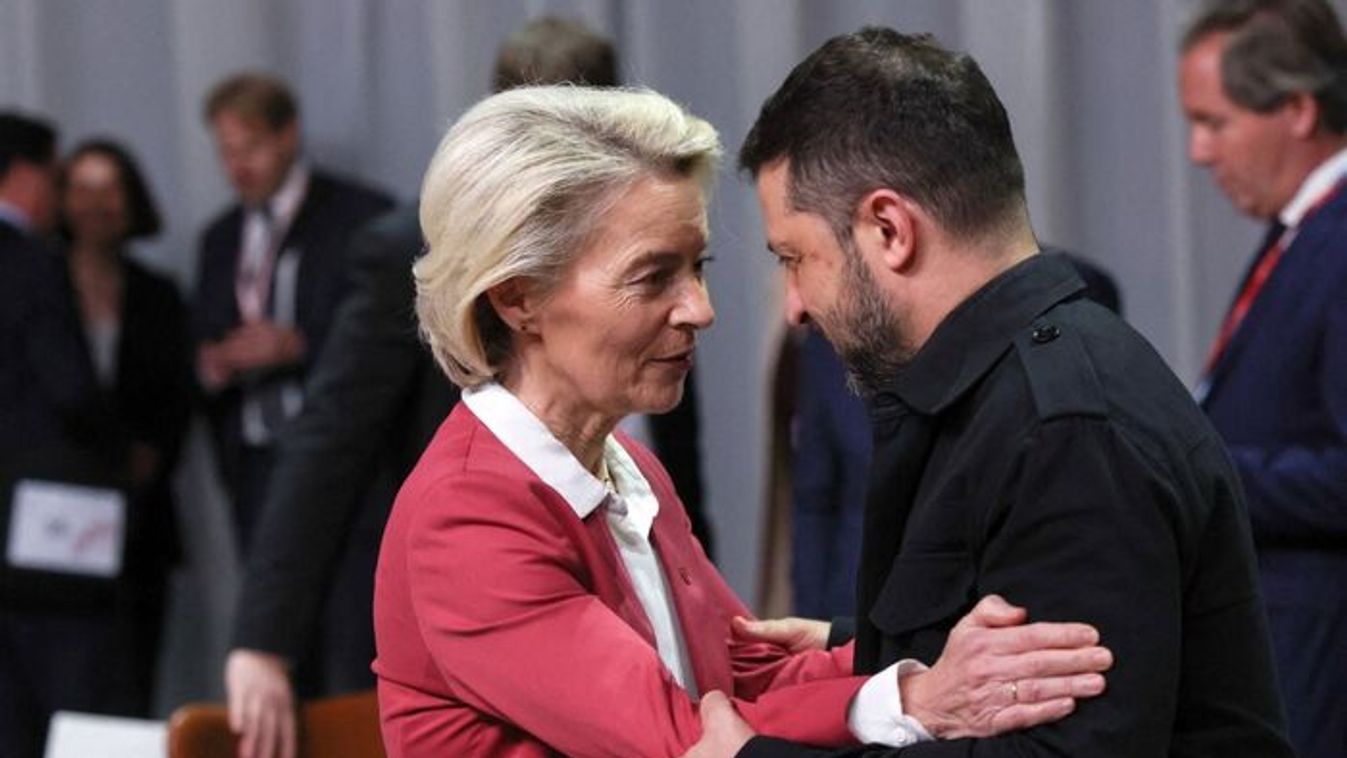
Ursula von der Leyen and Volodymyr Zelensky (Photo: AFP) Fotó: SUZANNE PLUNKETT
VéleményhírlevélJobban mondva - heti véleményhírlevél - ahol a hét kiemelt témáihoz fűzött személyes gondolatok összeérnek, részletek itt.

In his interview, Barath strongly criticized the European Union’s policy toward Ukraine, highlighting the blatant double standard and the disadvantage faced by Western Balkan countries. Citing remarks by Serbian President Vucic, he noted that Ukraine could potentially join the EU on January 1, 2027, under an accelerated process. In Brussels’ eyes, Ukraine appears to matter more than the interests of EU citizens, he said.

Brüsszel terve szerint 2027-ben az EU tagja lesz Ukrajna (Fotó: AFP)
Under Brussels’ plans, Ukraine would become an EU member in 2027 (Photo: AFP)

According to Barath, double standards in EU enlargement policy have been evident for years. Western Balkan countries such as Serbia and Montenegro have carried out reforms for decades yet have made little progress, while Ukraine—he argues—fails to meet even one accession criteria but would nevertheless be granted a fast-track process.

“This practice sends a negative message to the Balkan states still waiting in line and has contributed to support for EU accession in Serbia falling below 50 percent,” Barath said. He added that Brussels’ only genuinely positive step would be to accelerate the accession process for Western Balkan countries.

The historian stressed that Ukraine’s borders remain uncertain, the country has been rocked by a series of corruption scandals, and serious human rights violations have occurred during mobilization efforts—described as people being “hunted in the streets.” Yet, he argued, Brussels turns a blind eye to these issues, despite claiming to be highly sensitive to corruption and the rule of law in other cases.

Even without the war, the Ukrainian state is unable to meet the most basic requirements. It is a hotbed of corruption, with new scandals emerging day after day. Brussels is usually extremely sensitive to corruption, but in Ukraine’s case, that sensitivity disappears,

the expert said.

 

A Serious Risk for Europe

According to the historian, Ukraine’s accession would pose grave dangers to Europe.

  • Economic risks: Cheap Ukrainian grain of unknown quality could flood the EU market. Ukrainian producers do not adhere to the EU’s strict regulations, including bans on GMOs and prohibited chemicals, threatening the livelihoods of European farmers.
  • A large share of EU agricultural and cohesion funds would be redirected to Ukraine, leaving less for existing member states.
  • Enormous sums are already planned for Ukraine, and accession would only increase those financial commitments.


Brussels Demands Compliance

Barath also argued that Serbia’s independent and sovereign foreign policy—refusing to impose sanctions on Russia, purchasing Russian gas, and maintaining cooperation with multiple partners—irritates Brussels. As a result, he claimed, the EU leadership interferes in Serbia’s internal affairs, including by supporting protests, because it does not tolerate policies that prioritize national interests.

This sovereign approach does not meet Brussels’ expectations. Throughout 2025 the EU made this clear by continuously intervening in Serbia’s domestic political processes and supporting student protests. For today’s EU leadership, a Europe of nations and sovereign, patriotic governments is unacceptable. Brussels is pushing for a centralized, Brussels-driven Europe. We see and experience this every day,

Barath explained.

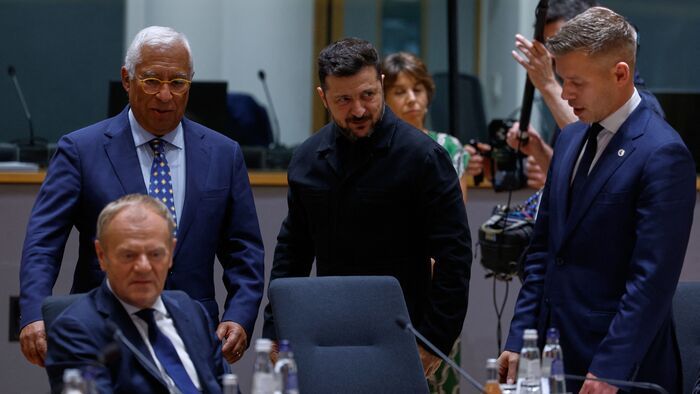
As previously reported, Brussels is considering admitting Ukraine into the European Union as early as 2027, even before the full accession criteria are met. According to a recent survey by Szazadveg, roughly three-quarters of EU citizens reject this plan.


Cover photo: Ursula von der Leyen and Volodymyr Zelensky (Photo: AFP)

Komment

Összesen 0 komment

A kommentek nem szerkesztett tartalmak, tartalmuk a szerzőjük álláspontját tükrözi. Mielőtt hozzászólna, kérjük, olvassa el a kommentszabályzatot.


Jelenleg nincsenek kommentek.

Szóljon hozzá!

Jelenleg csak a hozzászólások egy kis részét látja. Hozzászóláshoz és a további kommentek megtekintéséhez lépjen be, vagy regisztráljon!

A téma legfrissebb hírei

Tovább az összes cikkhez chevron-right

Ne maradjon le a Magyar Nemzet legjobb írásairól, olvassa őket minden nap!

Google News
A legfrissebb hírekért kövess minket az Magyar Nemzet Google News oldalán is!

Címoldalról ajánljuk

Tovább az összes cikkhez chevron-right

Portfóliónk minőségi tartalmat jelent minden olvasó számára. Egyedülálló elérést, országos lefedettséget és változatos megjelenési lehetőséget biztosít. Folyamatosan keressük az új irányokat és fejlődési lehetőségeket. Ez jövőnk záloga.