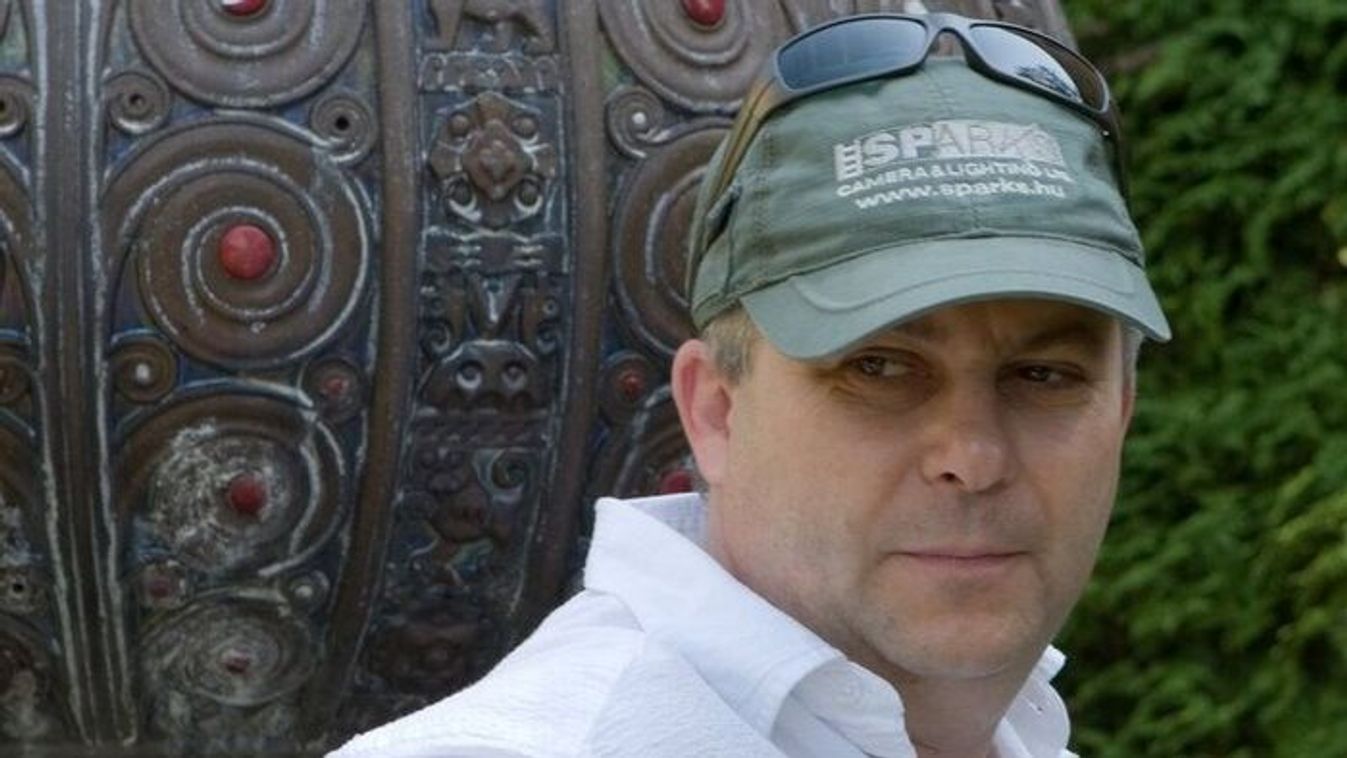
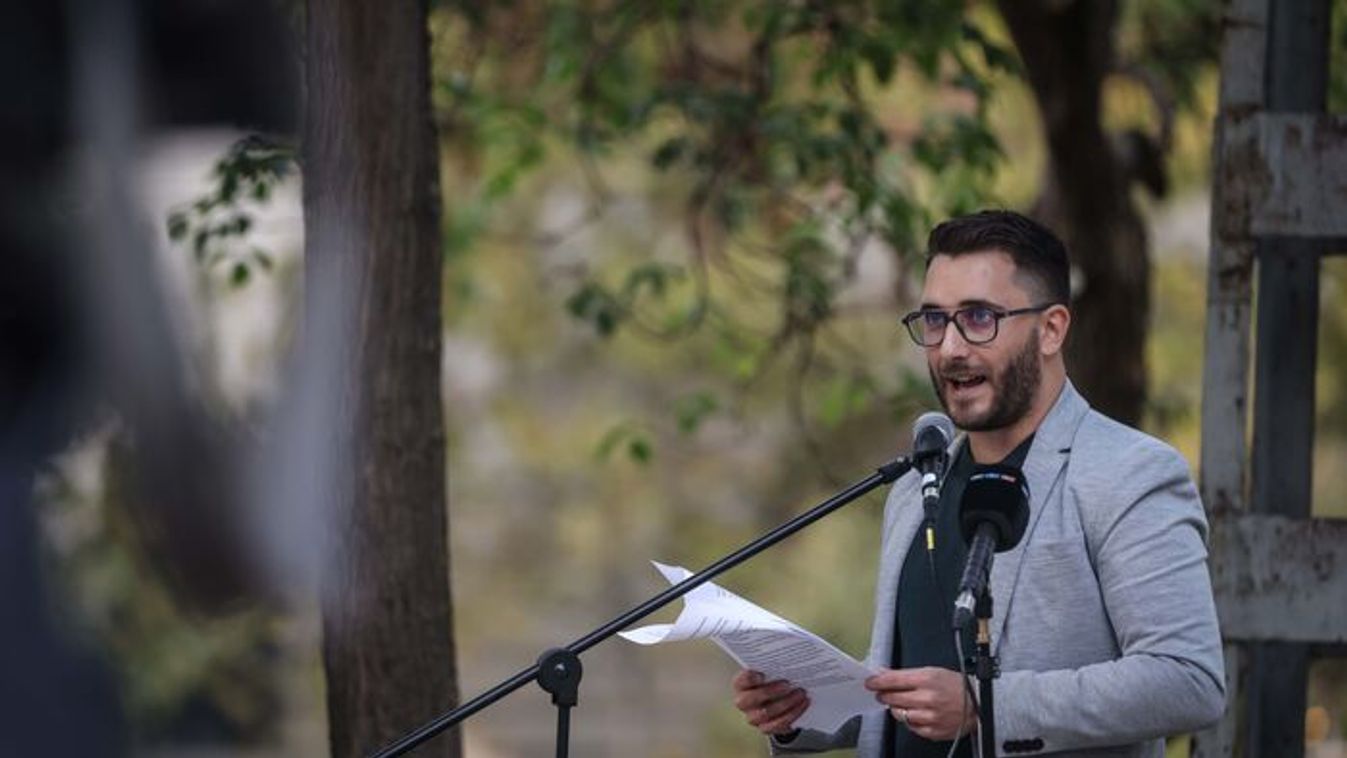
Recalling the origins of the award-winning screenplay, Zsolt Pozsgai said that years ago a shocking news story provided the basis for the narrative. One night he read about a fleeing van transporting illegal migrants that was pursued by authorities. The vehicle crashed into a tree on a side road. Only one person survived the accident: a pregnant African woman who was thrown from the window and made her way through rural farmland to a house where she received help. This is where the factual thread of the story ends. From that point on, the writer’s imagination and personal experience took over.

The Success of Zsolt Pozsgai’s Screenplay
The author explained that he was also influenced by the figure of a reclusive literature teacher whom he knows personally. After his wife’s death, the man bought a farmhouse and has lived there ever since as a solitary farmer. Pozsgai also drew on this character for the film.
I imagined what could happen after the woman’s arrival, especially since in reality she gave birth to the child in that small house. Then characters from the nearby village come together, and there is also the opportunity to portray the world of human traffickers who are searching for the woman. And many other elements emerge that are a blend of imagination and experience. But you do not make films just for the sake of a story. I like it when a film is about something,
he emphasized.
Stay with Me is not a migrant story, but the meeting of two completely different cultures,
Zsolt Pozsgai said. "Moreover, we are all fleeing from something. Some are trying to escape the reality or fleeing from war conditions, others fear what artificial intelligence may do to our world, or are running from personal tragedy," he listed. When writing the screenplay, it was important for him that it not become merely an adventure film. He considers the relationships between the characters and their evolution to be essential, as well as humor and unexpected, human situations.
The screenplay was rejected by Hungary's National Film Institute, but the author did not put the material away in a drawer. The screenplay was rejected by the National Film Institute, but the author did not put the material away in a drawer. He had it translated into several languages and submitted it to international festivals. The result was more than eighty awards and recognitions worldwide, from Vancouver to Bucharest, from Australia to Sweden. The screenplay also found its way to the United States, where in Los Angeles a trailer and a so-called final cut were produced to support more effective promotion. In Las Vegas, at one of the best-known independent film festivals, the author personally experienced the strict copyright rules of the American film industry. As he said, protecting a country’s own creators is understandable. Although there was an opportunity for the story to be purchased as a concept, he rejected it. "That would be like selling my child on the other side of the world," he added.
He is thinking in terms of a Hungarian movie with Hungarian actors, as he is convinced that the quality of Hungarian acting is outstanding even by international standards. He wrote the lead role specifically for Gabor Reviczky and would only depart from this plan if the actor were unable to take on the role.
Speaking about the nature of independent filmmaking, he highlighted that it is made with the same level of professional expertise as any major production, but with a smaller budget and, in exchange, greater artistic freedom. Every element of the available resources is visible and present in the film itself. There is also greater room for creativity during filming. This is why independent film festivals and independent filmmakers exist worldwide, he emphasized.
The cinematic future of the screenplay remains an open question.
I do not know when it will become a film. I would be very happy if this large number of awards convinced fund providers that it is worth investing in its realization,
he said. In the meantime, he is working on new projects: his long-held dream is to make a film about an extraordinary event that took place in Esztergom during the 1956 revolution. The National Film Institute has approved the script, the development phase is complete, and now it is time to submit the application for production funding. In addition, he is planning to make three short films this year.
News has just arrived that Zsolt Pozsgai’s feature film The Riddle Pact won the Best Film award at the New York Film Awards.


Szóljon hozzá!
Jelenleg csak a hozzászólások egy kis részét látja. Hozzászóláshoz és a további kommentek megtekintéséhez lépjen be, vagy regisztráljon!