Last Year Brought a Breakthrough Few Had Anticipated: Hungary Was Right Again

More countries than ever are planning to build new nuclear power plants, while many are also preparing to extend the operating lifetimes of existing units. An expert speaking to our paper also pointed out that countries abandoning nuclear energy—Germany, Austria, and Luxembourg—have been left isolated in Europe.

2026. 01. 02. 10:44
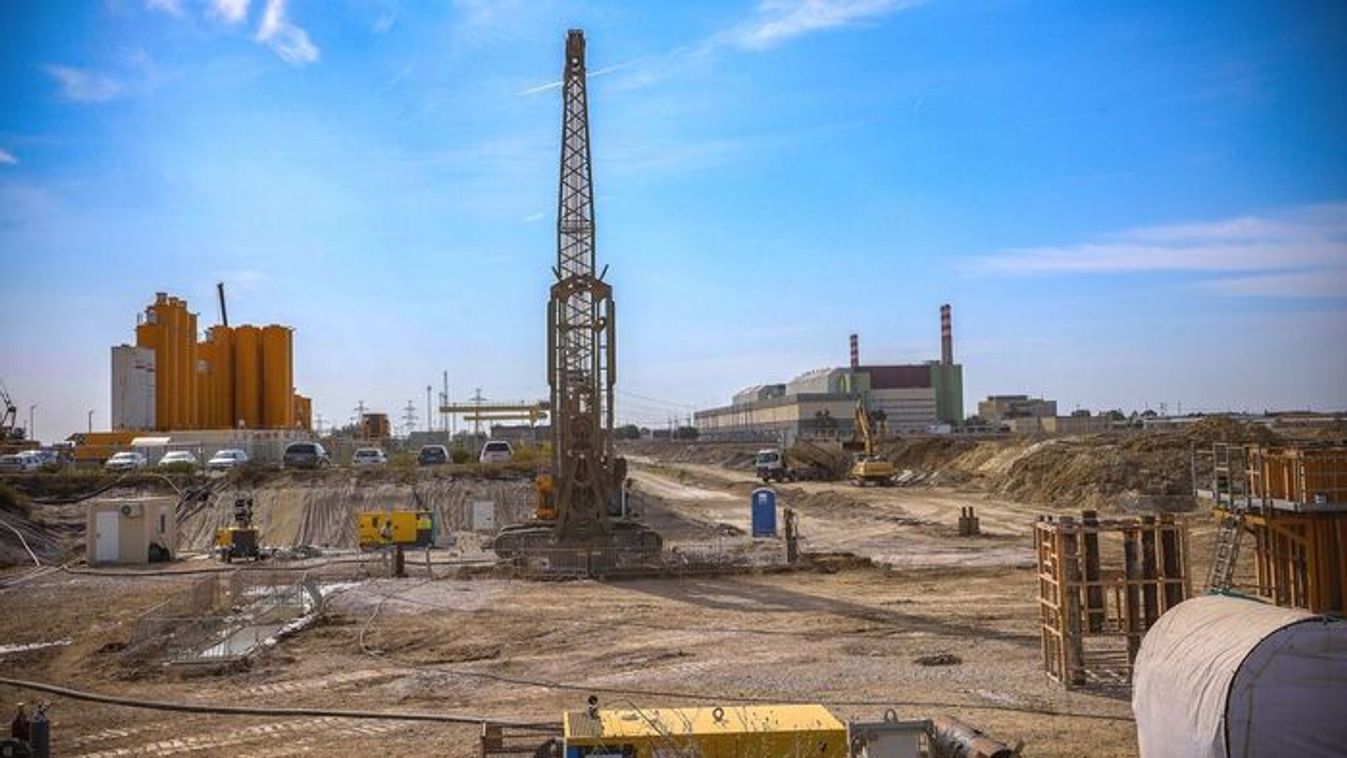
More and more countries are recognizing that nuclear energy is indispensable (Photo: Tolnai Nepujsag / Denes Martonfai).
VéleményhírlevélJobban mondva - heti véleményhírlevél - ahol a hét kiemelt témáihoz fűzött személyes gondolatok összeérnek, részletek itt.

In its World Energy Outlook 2025, published in November, the International Energy Agency projects a substantial increase in electricity generation from nuclear power plants over the coming decades in all three of its outlined scenarios, alongside renewable energy sources, Zsolt Harfas, an engineer and nuclear energy expert, told our newspaper. He described the developments as part of an ongoing global nuclear renaissance, as more and more countries are recognizing that nuclear power plants are also necessary to meet rising electricity demand.

atom, atomerőmű, Szijjártó Péter fontos bejelentést tett a Paksi Atomerőműről
Today, the question is no longer whether nuclear power plants are needed — the numbers clearly show that they are. Photo: AFP

Among the most notable developments is the fact that, both globally and across Europe, a growing number of countries have announced large-scale plans to expand nuclear energy. Having abandoned its earlier anti-nuclear stance, Sweden is now planning to build several new large-capacity reactors and/or small modular reactors, while also considering extending the operating lifetimes of its existing plants. From a strategic standpoint, nuclear energy has effectively “returned” in Sweden and has been elevated to a central pillar of the country’s national energy strategy. Facing similar challenges, Serbia is also moving toward establishing new domestic nuclear capacity. This year marked “year zero” for nuclear energy in Serbia: the political and legal decision to open the door to nuclear power has been made, and consultations with potential suppliers are already underway.

For Italy, the past year marked the “rehabilitation” of nuclear energy: a previously dismissive stance gave way to a pragmatic, technology-driven approach. While no concrete nuclear construction projects have yet been launched, the year clearly signaled that, after a long hiatus, Italy is once again willing to consider nuclear power as a potential component of its future energy mix, the expert emphasized.

In Denmark, this year was not about the return of nuclear energy, but rather about dismantling taboos. While the country continues to base its energy policy primarily on renewable sources, nuclear energy has, for the first time, entered the realm of legitimate, government-level professional consideration. The key question in the coming years will be whether this more open approach leads to legislative changes and concrete programs, or whether nuclear energy remains merely a strategic option in long-term energy policy thinking. As an interesting side note, compared with its previous ban, even Australia is no longer unequivocally opposed to nuclear power.

In early December, the European Commission approved the support package for the construction and subsequent operation of Poland’s first nuclear power plant, declaring it compatible with EU state-aid rules. Particularly striking is the fact that the Commission approved the Polish project in less than a year, with approximately 30 percent of the investment cost—€14 billion—provided as a capital injection to facilitate construction. While the European Commission did not conduct a detailed examination of the Polish project’s compliance with European public procurement rules in this case either, the European Court of Justice previously annulled a similar Commission decision related to Hungary’s Paks II project on procedural grounds. One thing is nevertheless clear: the Polish public supports the construction of a nuclear power plant in the country, Zsolt Harfas added.

According to the expert, it is worth returning to one particularly telling scenario from the publication mentioned at the beginning of the article, as the figures clearly demonstrate why nuclear energy should not be approached on ideological grounds and why it must form part of national energy mixes. Under the net-zero emissions scenario, global nuclear power capacity could rise from 420 GW in 2024 to more than the global target of 1,000 GW by 2050, potentially reaching around 1,080 GW. In terms of electricity generation, this would mean an increase from 2,835 TWh in 2024 to approximately 6,850 TWh by 2050. This trend is further confirmed by the fact that 62 new nuclear power units are currently under construction—28 of them in China—and that plans are already in place for the construction of an additional 400 to 450 new units in the coming decades, the expert concluded.

Komment

Összesen 0 komment

A kommentek nem szerkesztett tartalmak, tartalmuk a szerzőjük álláspontját tükrözi. Mielőtt hozzászólna, kérjük, olvassa el a kommentszabályzatot.


Jelenleg nincsenek kommentek.

Szóljon hozzá!

Jelenleg csak a hozzászólások egy kis részét látja. Hozzászóláshoz és a további kommentek megtekintéséhez lépjen be, vagy regisztráljon!

A téma legfrissebb hírei

Tovább az összes cikkhez chevron-right

Ne maradjon le a Magyar Nemzet legjobb írásairól, olvassa őket minden nap!

Google News
A legfrissebb hírekért kövess minket az Magyar Nemzet Google News oldalán is!

Címoldalról ajánljuk

Tovább az összes cikkhez chevron-right

Portfóliónk minőségi tartalmat jelent minden olvasó számára. Egyedülálló elérést, országos lefedettséget és változatos megjelenési lehetőséget biztosít. Folyamatosan keressük az új irányokat és fejlődési lehetőségeket. Ez jövőnk záloga.