Hungary FM: Hungary Is in Far Better Position Than Brussels

Hungary has emerged stronger from the crises of the past decade and a half, while the European Union has repeatedly made poor decisions, Foreign Affairs and Trade Minister Peter Szijjarto said. He emphasized that in the new world order, a sovereign national policy is proving to be the winning formula.

2026. 02. 11. 14:11
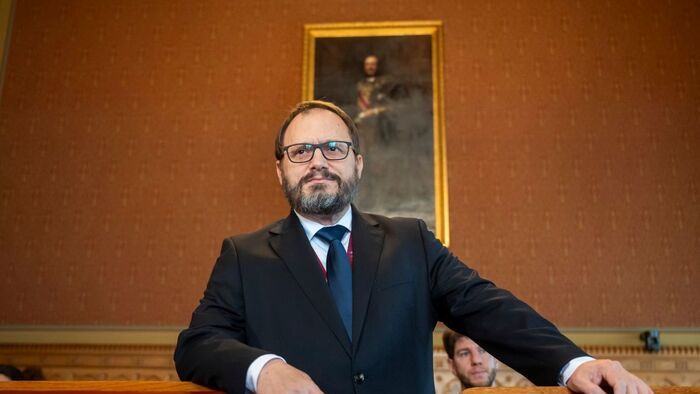
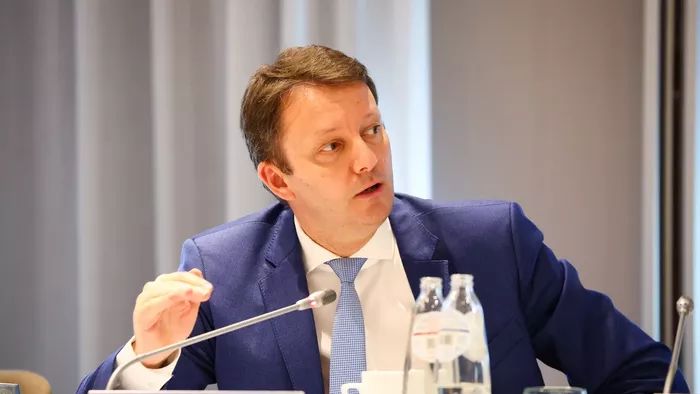
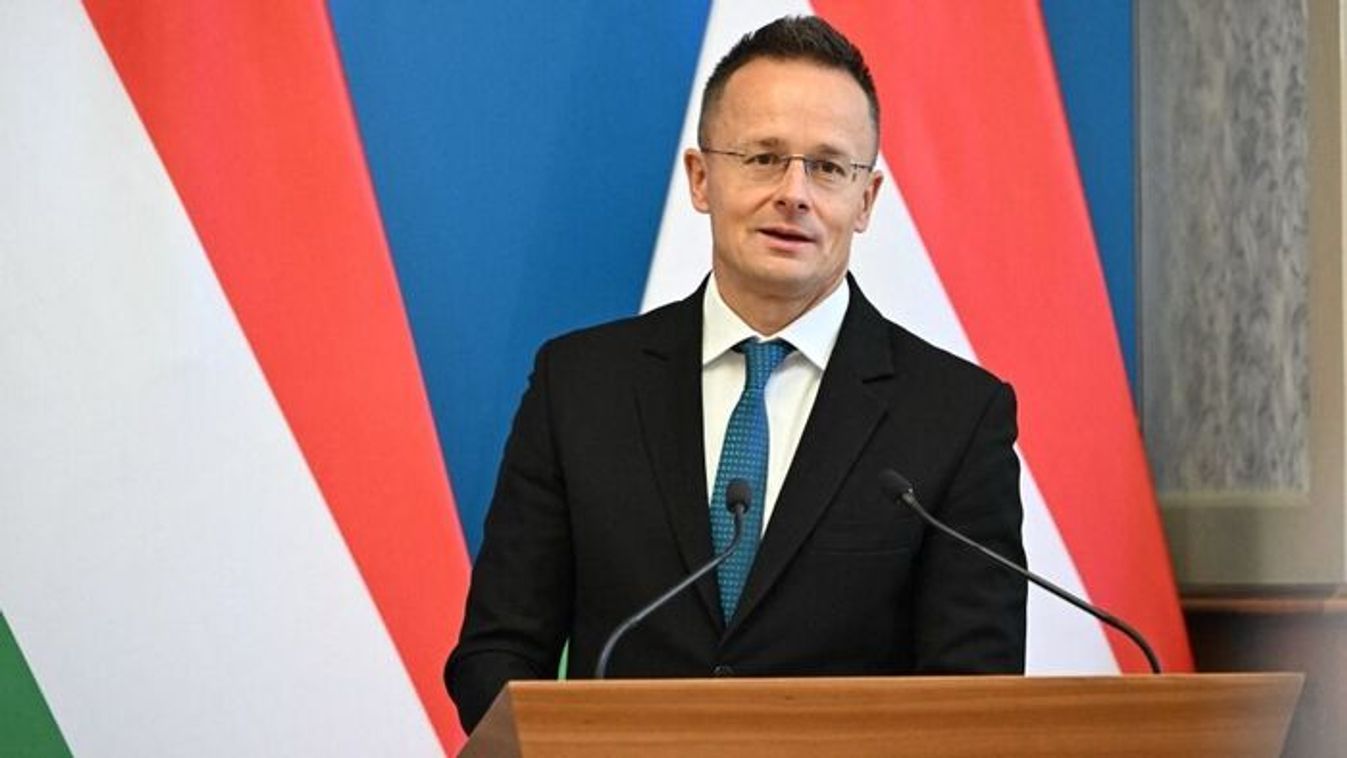
Peter Szijjarto, Hungary's Minister of Foreign Affairs and Trade (Photo: AFP)
VéleményhírlevélJobban mondva - heti véleményhírlevél - ahol a hét kiemelt témáihoz fűzött személyes gondolatok összeérnek, részletek itt.

Unlike the European Union, Hungary is among the winners of the emerging new world order. However, Foreign Minister Szijjarto stressed that continuing this success will require victory for the sovereign, pro-national camp in the April elections. The foreign minister made the remarks Tuesday in Budapest.

Szijjártó Péter szerint Brüsszel stratégiája kudarcot vallott, míg Magyarországé sikeres volt
According to Foreign Affairs Minister Peter Szijjarto, Brussels’ strategy has failed, while Hungary’s has succeeded.(Photo:  AFP)

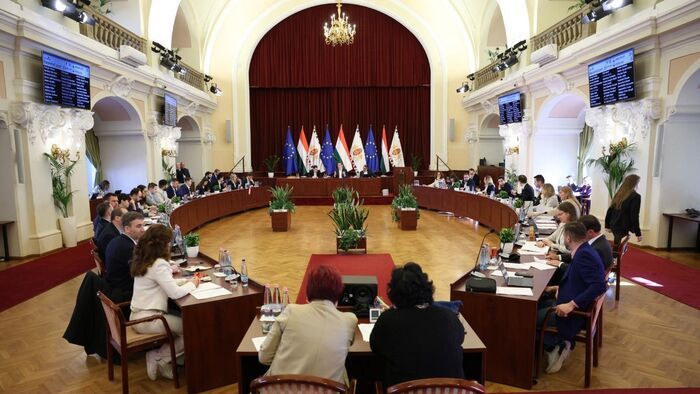
Speaking at the Budapest Global Dialogue conference, Szijjarto said the crises of the past fifteen years—from the global financial collapse to mass illegal migration, the COVID-19 pandemic, and the war in Ukraine—have given rise to a new world order in which nothing will be the same as before.

He underlined that what these crises had in common was Brussels’ inability to provide effective responses. As a result, the European Union has grown weaker, increasingly irrelevant, and isolated, while Hungary has consistently emerged from these challenges in a stronger position. Addressing the war in Ukraine in particular, Szijjártó said the EU had once again committed serious mistakes, with every step it took serving only to further escalate tensions.

He also argued that Brussels is actively undermining the peace efforts of the U.S. president, noting that it was recently stated verbatim at a meeting of the EU’s Foreign Affairs Council that the bloc “is not prepared for peace.”

Europe is gripped by total frustration as a result of its isolation. And as a consequence, European leaders are treating the war in Ukraine as if it were our war—when it is not. Russia has not attacked a single EU member state. This is a war between Russia and Ukraine,

he said.

Ukraine is fighting for itself, not for us, and therefore we owe it nothing. We firmly oppose spending Hungarian taxpayers’ money on a war that has nothing to do with us,

he added.

Szijjarto condemned the fact that the EU has by now isolated itself from the most important players in global politics, including the United States, China, and Russia. By contrast, he said, Hungary’s standing has risen significantly thanks to a foreign policy strategy pursued successfully for sixteen years.

Our strategic goal was to ensure that the world’s four major power centers all have a stake in Hungary’s success—and we have achieved that. The Hungarian prime minister is the only European leader who can simultaneously hold talks with the American, Russian, Chinese, and Turkish presidents. No other European politician is capable of that today. Prime Minister Viktor Orban maintains a personal friendship with the U.S. president while also conducting talks based on mutual respect with the Russian, Chinese, and Turkish leaders,

he pointed out.

Summing up, Szijjarto said Hungary’s strategy has been successful, while Brussels’ has failed. “The European Union is one of the biggest losers of the new world order,” he said. “The strategy of dividing the world into blocs has collapsed. The new world order is built on patriotism. This is the result of a global patriotic revolution, and we are proud that Budapest was the place from which this global patriotic revolution began.”

He went on to say that this new order is based on bilateral and intergovernmental cooperation, personal respect, and values such as friendship and loyalty. Unlike the EU, he said, Hungary is among the winners of this new world order—something he argued is clearly demonstrated by the fact that one million more people are working in Hungary today than ten years ago, Hungarians pay the lowest taxes in Europe, and enjoy the cheapest energy prices. He also noted that despite the war raging next door, the past four years have been the most successful period in Hungary’s economic history in terms of investment.

Never before has so much investment arrived in the country, never before have so many factories been built, and never before have so many jobs been created,

he said.

In closing, Szijjártó said these achievements are underpinned by clear public support for the government. “And this is what is at stake in the elections taking place in two months’ time: whether Hungary continues its sovereign national political strategy, focused on enforcing national interests, or whether those delegated by Brussels take control,” he said. “The Hungarian people will decide. We hope they make the right decision and allow Hungary to continue on its successful, sovereign Hungarian path.”

Cover photo: Peter Szijjarto, Hungary's Minister of Foreign Affairs and Trade (Photo: AFP)

Komment

Összesen 0 komment

A kommentek nem szerkesztett tartalmak, tartalmuk a szerzőjük álláspontját tükrözi. Mielőtt hozzászólna, kérjük, olvassa el a kommentszabályzatot.


Jelenleg nincsenek kommentek.

Szóljon hozzá!

Jelenleg csak a hozzászólások egy kis részét látja. Hozzászóláshoz és a további kommentek megtekintéséhez lépjen be, vagy regisztráljon!

A téma legfrissebb hírei

Tovább az összes cikkhez chevron-right

Ne maradjon le a Magyar Nemzet legjobb írásairól, olvassa őket minden nap!

Google News
A legfrissebb hírekért kövess minket az Magyar Nemzet Google News oldalán is!

Címoldalról ajánljuk

Tovább az összes cikkhez chevron-right

Portfóliónk minőségi tartalmat jelent minden olvasó számára. Egyedülálló elérést, országos lefedettséget és változatos megjelenési lehetőséget biztosít. Folyamatosan keressük az új irányokat és fejlődési lehetőségeket. Ez jövőnk záloga.