PM Orban on Donald Trump’s Support: We Must Gather Friends

Hungary’s economy has the financial capacity to sustain welfare measures, Prime Minister Viktor Orban reaffirmed in his regular Friday morning radio interview. Commenting on Donald Trump’s public show of support the previous day, PM Orban said Hungary’s strategy is to “gather friends,” adding that had Trump been in office over the past four years, the Russia–Ukraine war would never have broken out. As things stand now, he warned, Europe is drifting ever closer to war—while Hungary’s goal remains to stay out of it.

2026. 02. 06. 10:49
VéleményhírlevélJobban mondva - heti véleményhírlevél - ahol a hét kiemelt témáihoz fűzött személyes gondolatok összeérnek, részletek itt.

“Four years ago, the American left-wing government gave unconditional support to the Hungarian left,” PM Orban remarked wryly Friday morning on Kossuth Radio. At the start of the interview, the prime minister was asked what it meant that U.S. President Donald Trump had publicly pledged his unconditional support to him the night before.

“Our philosophy is simple: we gather friends,” Viktor Orban said.

He noted that the situation has fundamentally changed since 2022. “There is a longstanding alliance with the current President of the United States,” he said. On the issue of the war in Ukraine, PM Orban pointed out that Hungary is virtually alone in consistently maintaining that had Trump been president, the war would not have happened. According to the prime minister, achieving peace will also require European allies.

Discussing the domestic political significance of his relationship with President Trump, PM Orban said American investments are flowing into Hungary.

“Hungary is one of the few countries where Americans are bringing capital in, rather than taking it out,” he stressed.

Asked about a possible visit by Donald Trump to Hungary, PM Orban replied that it is impossible to know in advance, noting that unpredictability is a key element of the American president’s strategy.

Modest Growth, Major Support

Responding to a question about last year’s economic growth of just 0.3 percent and whether this provides sufficient backing for welfare policies, Mr. Orban said the government has had to plan for a budget deficit of around five percent both last year and this year—placing Hungary squarely in the middle of the European field.

“Of course, it would be better not to be running deficits,” he said, “but we’ve been carrying these financial burdens for a long time, essentially since World War II. Despite that, Hungary is capable of delivering strong economic performance.”

He added that the government is planning for a similar five percent deficit next year as well, something investors find acceptable, as evidenced by continued interest from major investors from Asia and the United States. “There’s a widespread misconception that the Hungarian economy is in trouble and that austerity is needed,” PM Orban said. “In reality, even with just one percent growth, the Hungarian economy is still capable of supporting families.”

Despite the war acting as a brake on the economy, he said, Hungary can still provide support such as personal income tax exemptions for mothers with two or three children and three-percent mortgage loans for first-time homebuyers.

“Over the next four years, we will transform the Hungarian economy into a family-centered economy,” the PM said. “Even with modest growth, we can provide significant help.”

Brussels Wants to Eliminate It—But Pensions Are Earned

PM Orban also addressed pensions, insisting that the 13th- and 14th- month pensions are not gifts, but recognition of the fact that today’s retirees once carried the country on their backs. “They deserve to feel secure,” he said.

Brussels opposes the 13th- and 14th- month pensions—particularly the latter. “The idea that money should not be handed over for Brussels’ purposes is considered heresy there,” he said.

He emphasized that Brussels wants the money that the government leaves with Hungarian families to be redirected to Brussels so it can then be sent on to Ukraine.

“Across Europe, governments are imposing austerity and taking out loans to support Ukraine,” Orban said. “Hungary says no to this.”

Can the Tisza Party Say No to Brussels?

Asked about the Tisza Party’s claim that it is not preparing austerity measures, PM Orban said the party is “not known for being able to say no to Brussels.”

“I don’t want to offend sincere and enthusiastic Tisza activists who believe they are building their own party—but they are mistaken,” he said. “The organization they support was created in Brussels to install a puppet government and replace a national-minded system with a Brussels-controlled one.”

“The real question is not what Tisza says, but what it will be required to do,”

PM Orban added, noting, “We already know, because Brussels has told us. This party is financed from two places: Brussels and Kyiv.”

He also referenced Balazs Csercsa, who recently left the Tisza Party and revealed that the party operates with two narratives—one for public consumption and another reflecting its true plans.

“They said it themselves a year ago,” PM Orban recalled. “They defend themselves against accusations of deception by admitting in advance that they are lying—by saying they can’t tell voters what they plan to do, because they would lose the election.”

Russian Energy: Buying Time Saves Lives

Turning to sanctions on Russian energy, PM Orban said, “Those who gain time, gain life,” stressing that the government will not abandon its policy of protecting household utility costs.

“We defended this even in the United States,” he said. “I had to explain to the American president why it was crucial for Hungary to stay out of these measures. If we hadn’t succeeded, Hungarian families would be paying 500,000 to 600,000 forints more per year in utility bills.”

When the Tisza Party claims it would not abolish the utility price reductions, Orban said, “They are lying.” According to him, their energy experts want to cut Hungary off from Russian gas and oil and eliminate the special taxes that fund the price reductions. “But then where does the money come from?” the PM asked. “If not from those extra taxes, who pays for it?”

Europe Drifting Toward War

PM Orban warned that the most immediate danger is that Hungarian money will be sent to Ukraine. The next threat, he said, is the possible conscription of Hungarian youth. He also pointed to statements suggesting that Western troops should be stationed in Ukraine—a move Russia has made clear would turn those troops into military targets.

“Right now, we feel the financial danger most acutely,” he said. “But if the Western plan is implemented, we will be much closer to war." 

"Not only economic damage, but the physical destruction of war could reach Hungary,” he added.

On Ukraine’s potential EU membership, Orban said it would mean immediate war with Russia. “We are trying to dissuade Europeans from deploying troops in Ukraine without an agreement with Russia, because that would mean war,” he said.

Forced Conscription: This Cannot Be Tolerated

Addressing reports of forced conscription, Orban said Hungary has banned three Ukrainian military leaders from entering the country—a move that may not cause panic in Kyiv, but sends a clear signal.

“The Ukrainians must not think they can forcibly conscript, torture, or beat to death Hungarian men unfit for military service and that we will remain silent,” Orban said. He accused Brussels of shielding Ukraine and ignoring Hungary’s objections.

“We are watching, we are documenting every crime, and they should not hope this will go unpunished,” he said. “At the right time, there will be consequences.”

PM Orban concluded by saying that while NATO leadership and Brussels are working to sustain support for Ukraine, Hungary must lend weight to its position through the national petition.

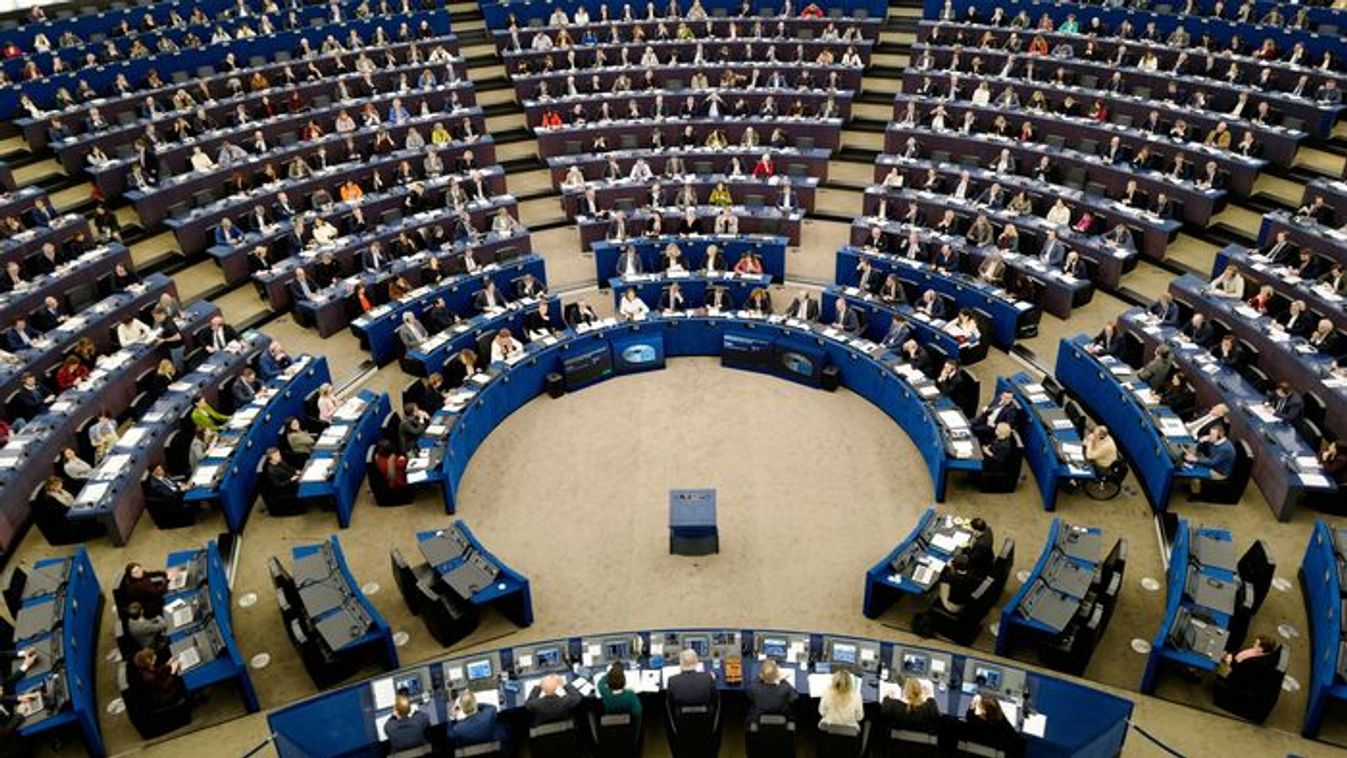
“Hungary cannot overpower more than twenty larger European countries,” he said, noting "we are trying to rally Europeans to rise up." The Patriots for Europe group is organizing to achieve a switch from a pro-war to a pro-peace policy. "But no one can seriously believe that the Prime Minister of Hungary will be able to win majority support for a policy of peace over a policy of war in a debate in Brussels with the French, Germans, and Poles. This is not realistic. Our only realistic chance to stay out of the war is to say no. That’s why Hungary cannot afford a Brussels puppet government. We need a pro-nation government—because only then can we stay out of this war,” Prime Minister Viktor Orban summarized. 

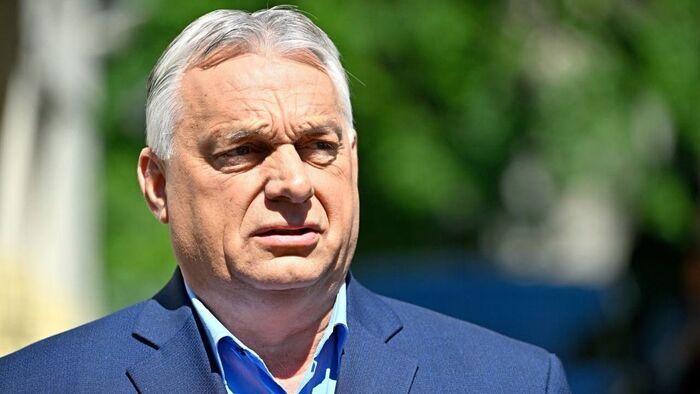
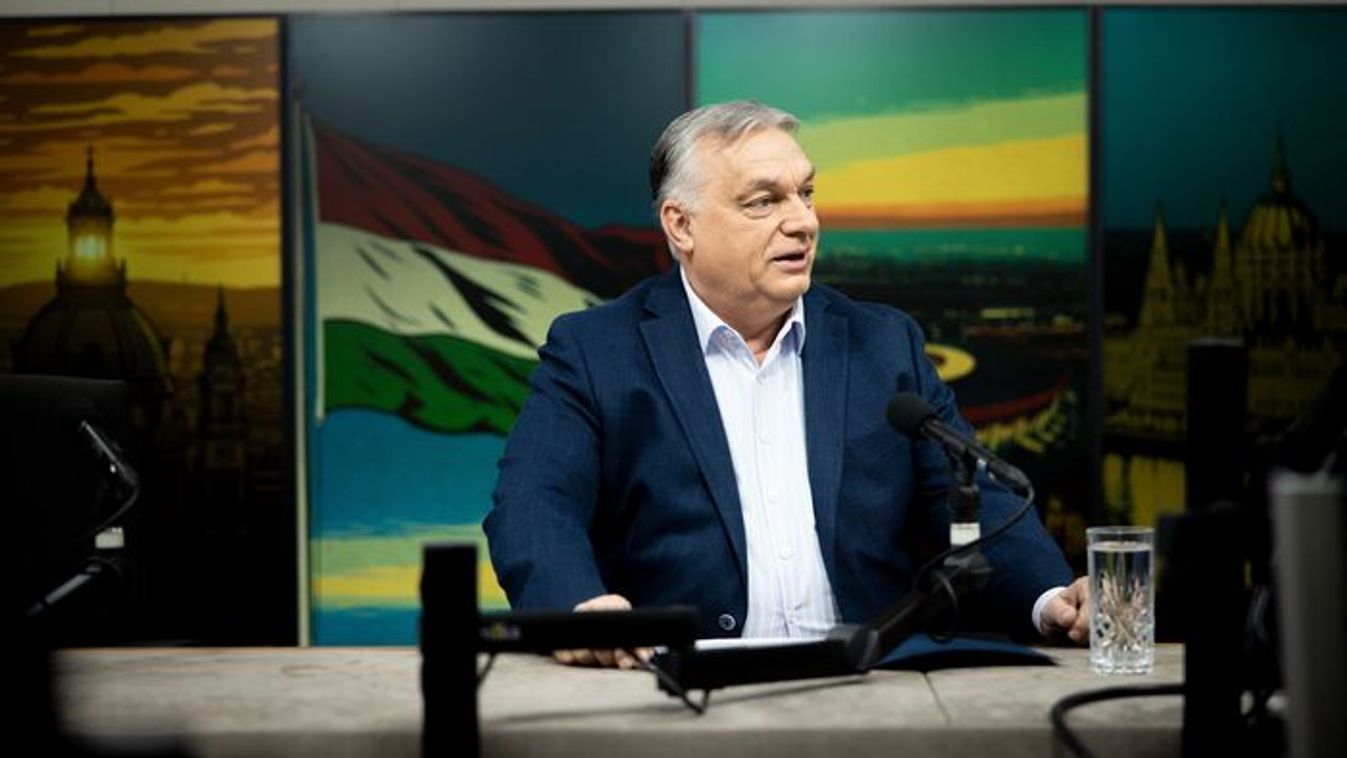
Cover photo: Hungary's Prime Minister Viktor Orban on Kossuth Radio (Photo: MTI/Prime Minister's Communication Department/Zoltan Fischer)


Komment

Összesen 0 komment

A kommentek nem szerkesztett tartalmak, tartalmuk a szerzőjük álláspontját tükrözi. Mielőtt hozzászólna, kérjük, olvassa el a kommentszabályzatot.


Jelenleg nincsenek kommentek.

Szóljon hozzá!

Jelenleg csak a hozzászólások egy kis részét látja. Hozzászóláshoz és a további kommentek megtekintéséhez lépjen be, vagy regisztráljon!

A téma legfrissebb hírei

Tovább az összes cikkhez chevron-right

Ne maradjon le a Magyar Nemzet legjobb írásairól, olvassa őket minden nap!

Google News
A legfrissebb hírekért kövess minket az Magyar Nemzet Google News oldalán is!

Címoldalról ajánljuk

Tovább az összes cikkhez chevron-right

Portfóliónk minőségi tartalmat jelent minden olvasó számára. Egyedülálló elérést, országos lefedettséget és változatos megjelenési lehetőséget biztosít. Folyamatosan keressük az új irányokat és fejlődési lehetőségeket. Ez jövőnk záloga.