In a video shared on his social media platform, Foreign Minister Peter Szijjarto responded to a very interesting question posed to him by one of the participants during a discussion.


In a video shared on his social media platform, Foreign Minister Peter Szijjarto responded to a very interesting question posed to him by one of the participants during a discussion.

The participant asked what the politician would do if the European Union had "normal leadership" and for instance if he were sitting in the chair currently held by Foreign Affairs Commissioner Kaja Kallas.
Szijjarto considered the idea to be in the realm of science fiction, adding that if there is anything he would never want to be, it is a Brussels official. He likened the idea to what he called the absurdity of the EU’s bottle cap regulation, arguing that too many officials in Brussels sit in large offices with generous salaries trying to justify their existence—leading to decisions such as mandating that bottle caps must be undetachable.
Szijjarto said that, hypothetically—“just without having to fill the role”—the most important task for an EU foreign policy chief today would be to end the European Union’s isolation.
For more than eleven years, he noted, he has been criticized for allegedly isolating Hungary through his foreign policy strategy. Yet, he argued, a country cannot be considered isolated if its prime minister is the only political leader in Europe capable of maintaining good relations simultaneously with leaders from all four major global power centers.
According to Szijjarto, it is in fact those accusing Hungary who are isolated, as the European Union has now largely lost its significance “both politically and economically.”
As an example, he pointed to ongoing negotiations aimed at resolving the war in Europe, where—he said—Americans and Arab representatives are present, but Europeans are not, despite the war being fought on European soil.
He argued that the EU has isolated itself from the United States by engaging in what he described as an eight-year “competition in rudeness,” with European politicians vying to make increasingly disparaging remarks about the American president.
Those comments, he added, have not been forgotten.

Referring to a recent tariff agreement, Szijjarto remarked that “poor von der Leyen and her team” applauded a deal under which Europeans would pay six times as much in tariffs, while Americans would pay zero instead of ten percent—yet it was presented as a success. He suggested the situation was so embarrassing that even Europe’s liberal defenders struggled to interpret it positively after a few minutes.
Turning to Russia, Szijjarto said the EU has isolated itself through what he called “these insane sanctions,” which, in his view, harm European economic interests far more than they hurt Russia.
He also contended that the EU has distanced itself from China by labeling it a “systemic rival.” He questioned what systems are meant to be competing, noting that China has 1.5 billion people while Europe has roughly 500 million. In his view, it is unreasonable to expect China to operate under the same system as Europe.
Instead, he argued, cooperation should focus on areas where it is necessary or mutually beneficial.
In summary, Szijjarto said this is where Europe stands today. If he were serving as the EU’s foreign policy chief, his priority would be measures aimed at dismantling what he sees as the European Union’s growing isolation.
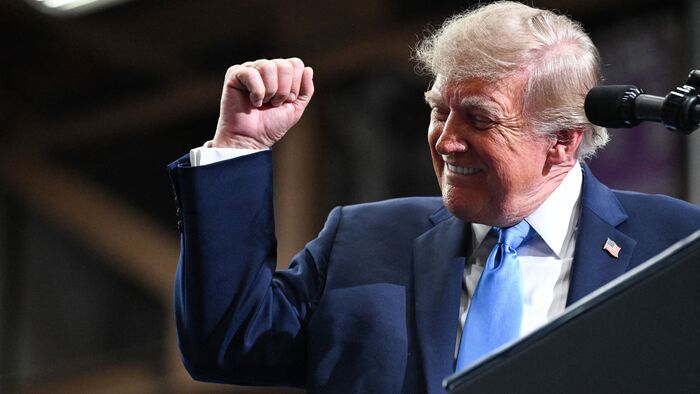
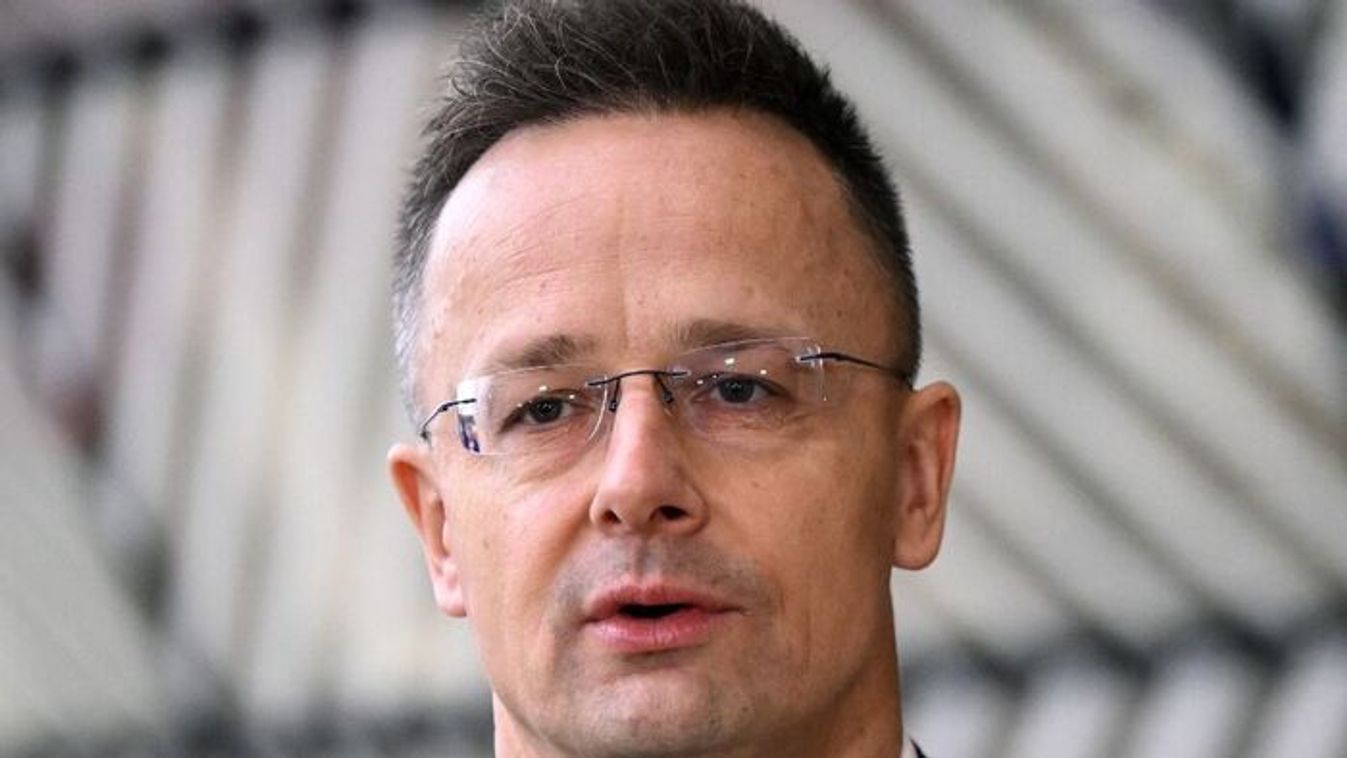
Cover photo: Peter Szijjarto, Hungary's Minister of Foreign Affairs and Trade (Photo: AFP)
Összesen 0 komment
A kommentek nem szerkesztett tartalmak, tartalmuk a szerzőjük álláspontját tükrözi. Mielőtt hozzászólna, kérjük, olvassa el a kommentszabályzatot.

Iran has carried out further strikes.

Iran has limited options for retaliation, emphasized Omar Sayfo, head of research at the Migration Research Institute.

The greatest danger posed by the Middle East conflict is escalation and a possible explosion in oil prices, said the security policy expert.

Hungary’s energy security must not be put at risk.

Iran has carried out further strikes.

Iran has limited options for retaliation, emphasized Omar Sayfo, head of research at the Migration Research Institute.

The greatest danger posed by the Middle East conflict is escalation and a possible explosion in oil prices, said the security policy expert.

Hungary’s energy security must not be put at risk.
Portfóliónk minőségi tartalmat jelent minden olvasó számára. Egyedülálló elérést, országos lefedettséget és változatos megjelenési lehetőséget biztosít. Folyamatosan keressük az új irányokat és fejlődési lehetőségeket. Ez jövőnk záloga.
Szóljon hozzá!
Jelenleg csak a hozzászólások egy kis részét látja. Hozzászóláshoz és a további kommentek megtekintéséhez lépjen be, vagy regisztráljon!