PM Orban: Zelensky Is Targeting Me Because I Stand in the Way of His Pro-Ukraine Government Plans for Hungary

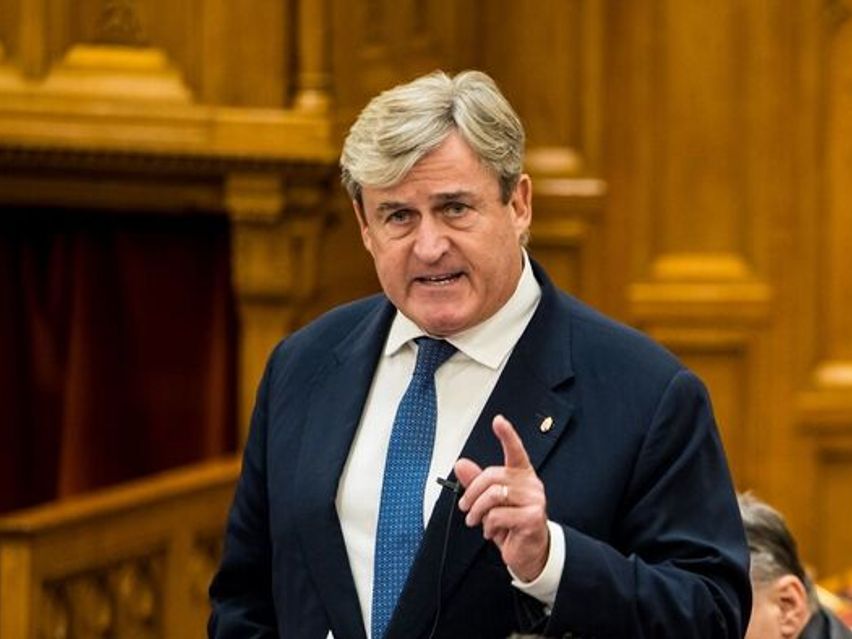
Prime Minister Viktor Orban spoke about recent developments during an interview on the Good Morning, Hungary! program on Kossuth Radio, addressing the impact of the Middle East conflict on Hungary, the death threat from Ukrainian President Volodymyr Zelensky, and Ukraine’s oil blockade. According to the prime minister, Ukraine’s leadership is behaving toward Hungary “like bandits.”

2026. 03. 06. 10:20
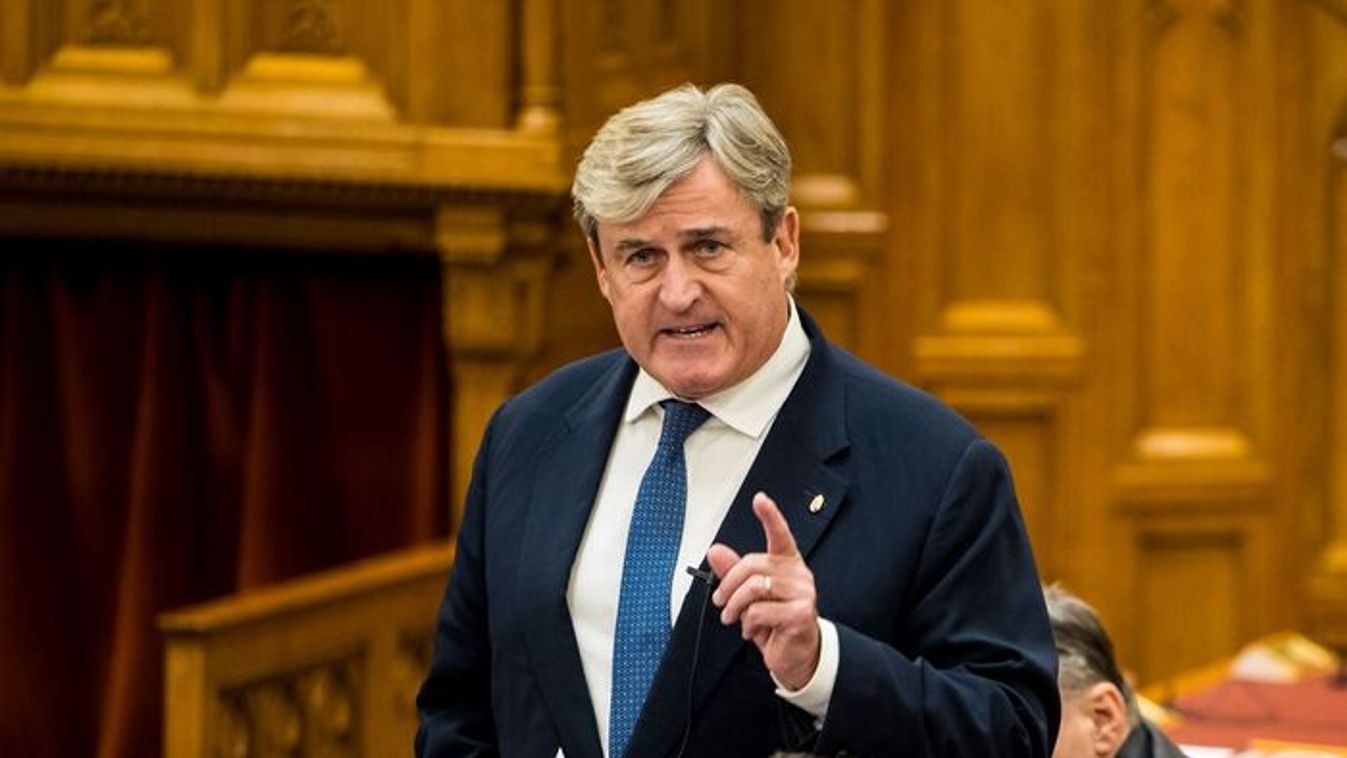
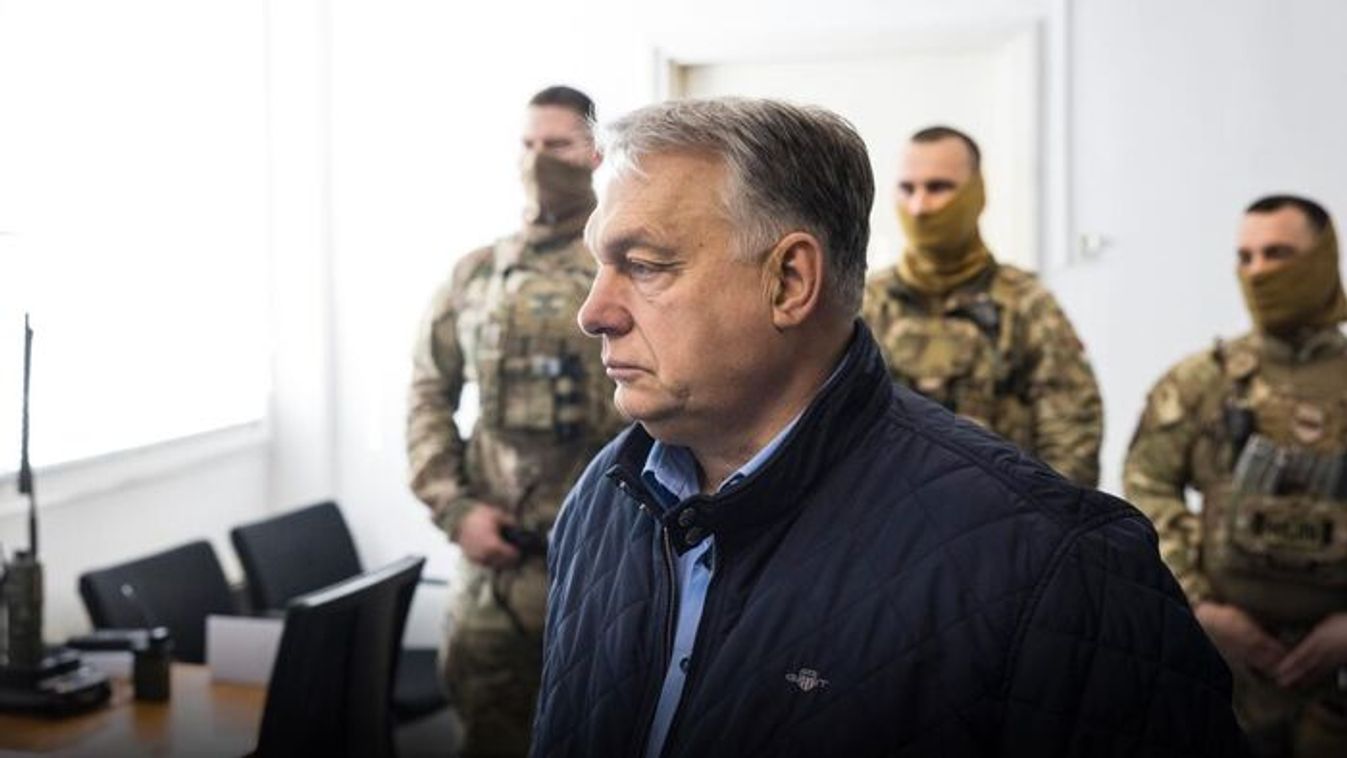
Hungary's Prime Minister Viktor Orban (Source: Facebook)
VéleményhírlevélJobban mondva - heti véleményhírlevél - ahol a hét kiemelt témáihoz fűzött személyes gondolatok összeérnek, részletek itt.

“It would be an exaggeration to say I was frightened, but it certainly wasn’t pleasant,” PM Oran said on Kossuth Radio, responding to what he described as a deadly threat issued by the Ukrainian president. According to Hungary's prime minister, it is important to understand the source of Zelensky’s frustration. “The situation is that he has demands, and we are not fulfilling them. We are in the way—the Hungarian government is in the way, and I personally am in the way. They want to remove us, and if it cannot be done politely, then they resort to this. They also want to remove us in the April 12 election, because that is the only way they can achieve what they want: a pro-Ukrainian prime minister in Hungary,” PM Orban said.

The prime minister stressed that Hungary must reject such pressure and refuse to yield to blackmail or threats. “We will not comply with the Ukrainian demand that we abandon Russian oil. Nor will we support the Ukrainian war effort, we will not send them money, and we will not allow Ukraine to join the EU, because it would destroy the entire Hungarian national economy. I will not accept their demands—even if they try to blackmail or threaten us,” he said.


The Situation Is Clear

PM Orban argued that the situation surrounding the Druzhba oil pipeline is straightforward. “There is no technical issue with the Druzhba pipeline that would prevent oil from reaching us. This is a political decision,” the prime minister said. He noted that Ukraine has obligations under international agreements to allow the transit of oil. “Ukraine has committed itself to these deliveries under an international agreement. Instead, they are attempting to blackmail Hungary,” Orban said.

He also claimed that Ukraine is openly supporting Hungary’s opposition Tisza Party, financially and politically, in hopes of installing a pro-Ukraine government in Budapest.

“They want to help this effort, among other ways, by creating an oil shortage—and therefore rising fuel prices,” he said, again describing the conduct of Ukraine’s leadership toward Hungary as “bandit-like.”

Regarding Hungary’s decision to block the twentieth sanctions package and an EU loan intended for Ukraine, PM Orban said Hungary is merely exercising its rights within the European Union.

“Anyone who wants to take out a loan against the EU budget must obtain our approval. We have the right to say yes or no. This is not a favor—it is our right. And we make decisions based on Hungary’s interests,” he said.

Until Ukraine resumes the oil transit it is obligated to allow under international agreements, Hungary will not support such measures, the prime minister added. “Until order is restored, we will not yield. We have halted shipments of gasoline and diesel, and if necessary we will stop other things that are important to them as well,” Orban said.


Government Ready to Intervene if Necessary

“Ukraine will run out of money sooner than we will run out of oil,” the prime minister remarked. He said Hungary is currently facing two simultaneous pressures: the war in the Middle East and what he described as Ukraine’s oil blockade. In his view, Ukraine’s actions are particularly egregious because they violate international agreements.

“If the inexpensive Russian oil arrives, we can better manage the rising prices. If prices become unsustainable, we will intervene. For now, the market determines fuel prices. But if the situation becomes unbearable, we will intervene with state tools. We will protect people from unbearable energy prices,” he said.

PM Orban also addressed claims by experts aligned with the Tisza Party who argue that gasoline prices reaching 1,000 forints per liter would be impossible. The prime minister said he does not believe they are lying but suggested they may lack sufficient information.

He noted that among countries in the region, Hungary has one of the lowest tax burdens on gasoline.


Shell Would Profit the Most Off of US

PM Orban also argued that the multinational energy company Shell stands to gain the most from the current situation. “If cheap Russian crude is unavailable, we must buy from them, and they will make enormous profits,” he said.

According to the prime minister, the Tisza Party’s political program would effectively reverse the policies of his pro-nation government by returning funds taken from large multinational corporations back to those companies instead of directing them to Hungarian families in the form of subsidies.

Prime Minister Orban also addressed an offer from opposition figure Peter Magyar, who suggested they visit the Druzhba pipeline together to assess its condition.

The prime minister rejected the idea. “Hungary has already established a fact-finding committee. I do not consider myself a member because I do not have the technical expertise,” the PM said. He noted that a professional investigative group led by Gabor Czepek has already been formed and that Hungary is demanding access for its experts. “We are confident—because the evidence points to it—that this is a political issue and that there is nothing wrong with the Druzhba pipeline itself. This matter must be handled through diplomatic channels,” Orban said.


Two Hungarians Freed 

Prime Minister Viktor Orban also spoke about the recently released Hungarian prisoners of war from Transcarpathia.

“Two prisoners of war have been released; they are free men again. I don’t understand what the Ukrainians’ problem is with that—we are talking about dual citizens,” the prime minister said. He noted that Hungary maintains ongoing consultations with Russia. If Hungarian prisoners of war are identified—particularly those who were sent to the front after being forcibly conscripted—they are handed over to Hungarian authorities.


Everyone Will Be Brought Home

Turning to the situation in the Middle East, PM Orban said a large number of Hungarian citizens are currently in the region, but the government will bring everyone home.

Evacuation flights have already been launched, and the operation involves several thousand people. The prime minister asked those currently abroad to remain patient, even if the situation is difficult.

Flights can only depart once airspace is deemed safe, he explained. “If their plane is shot down, they will not make it home,” Orban warned.


Wave of Mass Migration Toward Europe Could Begin Again

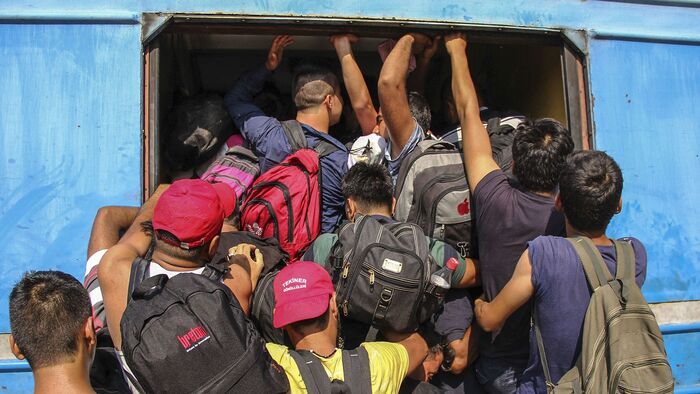
Speaking about Iran, the prime minister warned of the possibility of another migration crisis, arguing that Europe is completely unprepared.

He recalled that during the Syrian civil war, migrants headed toward Hungary through Turkey. Although the Hungarian government stopped them at the border, Hungary’s border protection system has been under constant attack ever since. “Brussels wants to force its failed migration policy on us, but the national-minded government is resisting,” Orban stated.

He emphasized that security must come first: preventing terrorist attacks, stopping the formation of criminal gangs, and ensuring that migration does not reach a level that overwhelms the country.

PM Orban also noted that the EU migration pact will take effect on June 1, which Hungary firmly rejects. Maintaining this position, he said, requires constant vigilance and preparedness.


Rising Terror Threat in Western Europe

Addressing the issue of terrorism, the prime minister said that the more migrants there are, the greater the risk of social disorder and terrorism. “This is the reality—everyone knows it,” he said. Although the Middle East may seem far away, he argued that its conflicts are already present in Europe. The Jewish–Arab conflict, he said, has become a domestic issue in several Western European countries.

“It is a problem in London, Paris, and Stockholm,” Orban said. “We have stayed out of it, but those countries must prepare for the fact that these people will try to fight their battles inside their countries as well.”

He added that Hungary has strengthened controls on passenger traffic in order to detect potential threats in time. “Because of our migration policy, the level of danger remains moderate,” he noted.


Government Acted in Time on Gas Supplies

PM Orban also addressed the sharp rise in gas prices, which comes at a time when gas storage capaities should be refilled. He noted that Hungary is currently in conflict with Ukrainian President Volodymyr Zelensky over the oil blockade, but reminded listeners that similar disputes had occurred earlier regarding gas supplies.

“That happened after the outbreak of the war,” he said. However, Hungary had already prepared for such a situation. Since the Crimean conflict, the country has built a network of pipelines capable of bypassing Ukraine. This system allows Russian gas to be transported to Turkey and then onward to Hungary.

Without that infrastructure, the PM said, gas prices in Hungary would have already surged to the levels seen elsewhere in Europe, potentially costing Hungarian families an entire month’s salary.

“Zelensky has already once put a stick in the spokes of the Hungarian wheel,” Orban said, warning that the government must remain vigilant to prevent it from happening again.

He also cautioned that if a southern gas transit route were sabotaged, Hungary could face immediate supply problems.


Dangerous Years Ahead

Looking ahead, the Hungarian prime minister warned that the next four years will not be easy. “Every parent wants a better future for their children and grandchildren than the one they had,” PM Orban said. “But we must prepare for the fact that the next four years will certainly be an era of danger.”

He argued that the global security situation is deteriorating, particularly in the European Union, which he said has adopted a strategy aimed at defeating Russia “no matter the cost.” Hungary, he said, must find a way to stay out of the war. 

“The key words for the next four years are security and staying out,” PM Orban concluded. “We will only be safe if we stay out of the war.” He remarked that Hungary failed to stay out of the major conflicts of the 20th century and that today’s leaders must succeed where figures such as Istvan Tisza and Miklos Horthy could not.


Cover photo: Hungary's Prime Minister Viktor Orban (Source: Facebook) 

Komment

Összesen 0 komment

A kommentek nem szerkesztett tartalmak, tartalmuk a szerzőjük álláspontját tükrözi. Mielőtt hozzászólna, kérjük, olvassa el a kommentszabályzatot.


Jelenleg nincsenek kommentek.

Szóljon hozzá!

Jelenleg csak a hozzászólások egy kis részét látja. Hozzászóláshoz és a további kommentek megtekintéséhez lépjen be, vagy regisztráljon!

A téma legfrissebb hírei

Tovább az összes cikkhez chevron-right

Ne maradjon le a Magyar Nemzet legjobb írásairól, olvassa őket minden nap!

Google News
A legfrissebb hírekért kövess minket az Magyar Nemzet Google News oldalán is!

Címoldalról ajánljuk

Tovább az összes cikkhez chevron-right

Portfóliónk minőségi tartalmat jelent minden olvasó számára. Egyedülálló elérést, országos lefedettséget és változatos megjelenési lehetőséget biztosít. Folyamatosan keressük az új irányokat és fejlődési lehetőségeket. Ez jövőnk záloga.