Brussels Bent on Abolishing Utility Price Cuts, Tisza Party Supports Proposal

Starting January 1, 2028, a carbon tax would be imposed on households heating, transportation, and agricultural production. Brussels is attempting to justify the system on environmental grounds, with Peter Magyar and the Tisza Party supporting the initiative.

2025. 12. 02. 15:33
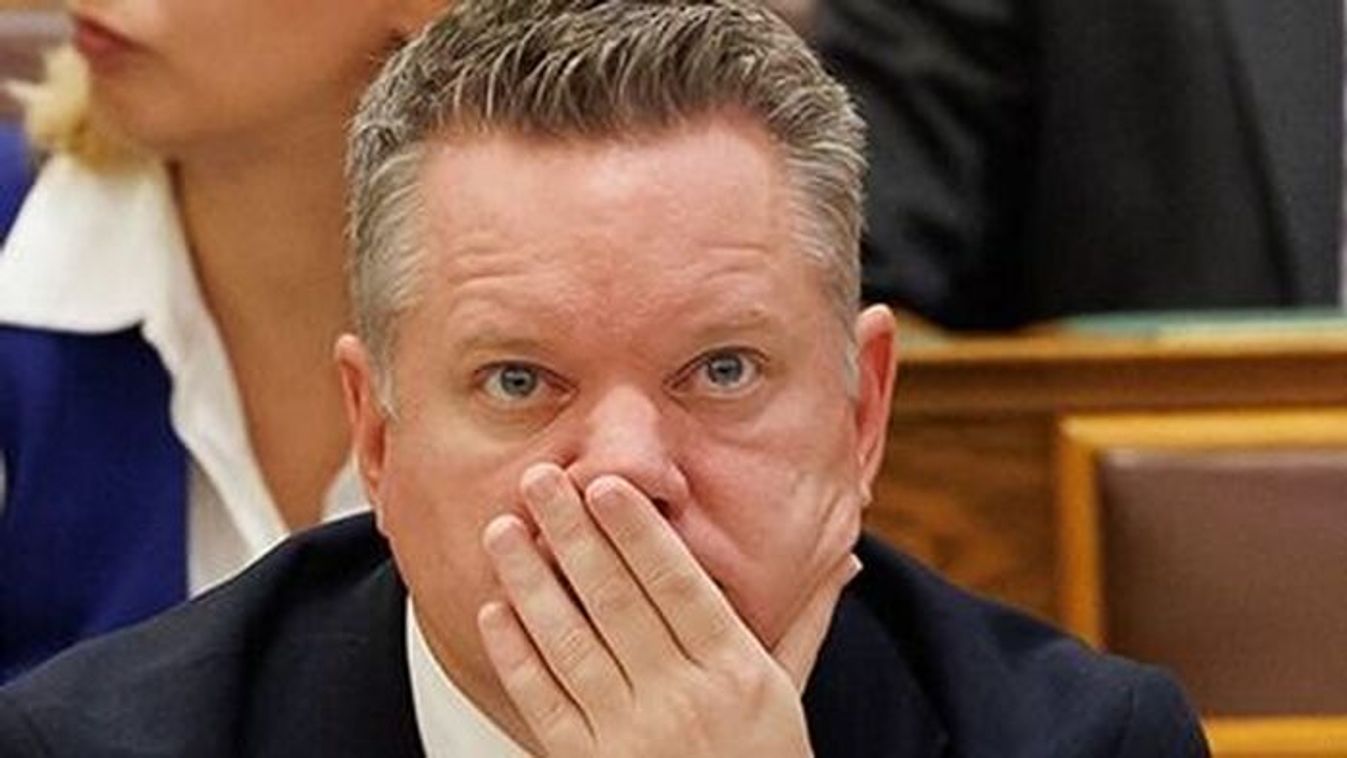
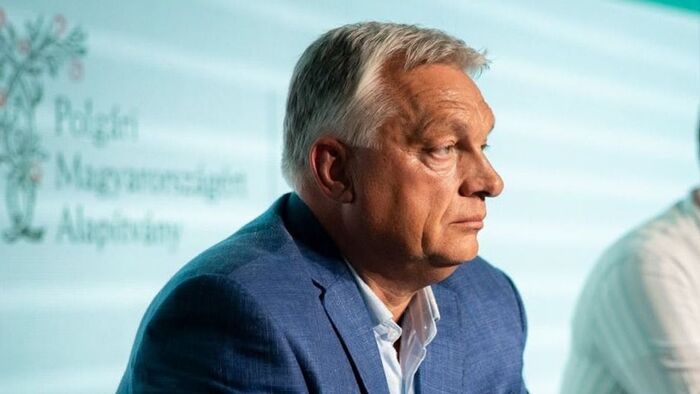
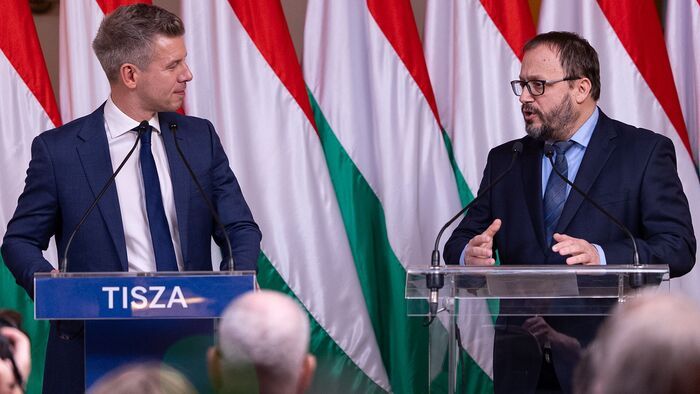
Peter Magyar, leader of the Tisza Party (Photo: AFP)
VéleményhírlevélJobban mondva - heti véleményhírlevél - ahol a hét kiemelt témáihoz fűzött személyes gondolatok összeérnek, részletek itt.

A new carbon tax would hit home heating, transportation, and agriculture alike. Under Brussels’ plan, companies would be punished based on the “polluter pays” principle. In reality, however, this would mean a significant increase in energy, fuel, and production costs for Hungarian consumers. Unsurprisingly, Peter Magyar and the Tisza Party back the proposal, the outlet Ellenpont reports.

Brüsszel tervét Magyar Péter és pártja is támogatja
Peter Magyar and his party support Brussels’ plan (Photo: NurPhoto/Balint Szentgallay)

For two decades, the European Union has been running its emissions trading system known as ETS (Emissions Trading System) 1. Until now, it mostly applied to major industrial polluters — power plants, cement and steel factories, large energy companies. The logic of the system is simple:

  • the EU determines how much carbon dioxide may be emitted in total at the EU level;
  • this "cap" is reduced year by year;
  • within the total emissions, the EU allocates quotas to specific sectors, and industries can trade these quotas among themselves.

So far, the system has affected only industrial and energy sector players. The average EU citizen has felt the financial consequences of this quota scheme only indirectly. However, under the new proposal, Brussels’ latest tax hike will directly affect every EU citizen.

From 2028, the ETS-2 would come into force, covering residential heating (natural gas, district heating, propane), road fuels (gasoline, diesel), and agricultural emissions (fuel + some production processes). This would no longer be an indirect cost, but a direct price increase for household energy sources. In other words,

Brussels would take money directly from people’s pockets, citing green goals.

According to the proposal, companies would have to pay for the quotas themselves, which would automatically appear as costs. And since no company intends to operate at a loss, there is only one path forward: passing the new tax burden on to consumers. Ultimately, the plan threatens Hungary’s utility price cuts scheme as well.

The logic of the new system is to reduce consumption: according to the Brussels directive, people do not need to heat their homes properly, and if they do, and if they do not want to be cold, then they should pay for it. This is the position supported by the Tisza Party.

In September 2024, Tisza MEP Andras Kulja, together with several others, submitted an amendment in the Environment Committee during the negotiations preceding the UN Climate Summit (the final document included the intention to abolish Hungary's utility price cuts, which Tisza supported). Their amendment stated:

Carbon pricing is the most efficient and cost-effective way to reduce emissions and incentivize green investments.

The European Conservatives and Reformists (ECR), the right-wing parliamentary group, attempted on November 13, 2025, to withdraw the legislative package that would abolish Hungary’s utility price cuts program. That attempt failed again, in part because of the Tisza Party. During the vote, Tisza MEPs refused to support the proposal to suspend the introduction of the carbon tax scheduled for January 2028, meaning they voted to ensure that Brussels proceeds with making the utility price cuts impossible.

The Tisza Party has therefore consistently argued for the abolition of the utility price cuts, and now their voting behavior in the European Parliament reflects exactly that. But eliminating the utility price cuts scheme would impose a heavy burden on the population, putting families and the elderly in a particularly difficult situation.

Cover photo: Peter Magyar, leader of the Tisza Party (Photo: AFP)

A téma legfrissebb hírei

Tovább az összes cikkhez chevron-right

Ne maradjon le a Magyar Nemzet legjobb írásairól, olvassa őket minden nap!

Google News
A legfrissebb hírekért kövess minket az Magyar Nemzet Google News oldalán is!

Komment

Összesen 0 komment

A kommentek nem szerkesztett tartalmak, tartalmuk a szerzőjük álláspontját tükrözi. Mielőtt hozzászólna, kérjük, olvassa el a kommentszabályzatot.


Jelenleg nincsenek kommentek.

Szóljon hozzá!

Jelenleg csak a hozzászólások egy kis részét látja. Hozzászóláshoz és a további kommentek megtekintéséhez lépjen be, vagy regisztráljon!

Címoldalról ajánljuk

Tovább az összes cikkhez chevron-right

Portfóliónk minőségi tartalmat jelent minden olvasó számára. Egyedülálló elérést, országos lefedettséget és változatos megjelenési lehetőséget biztosít. Folyamatosan keressük az új irányokat és fejlődési lehetőségeket. Ez jövőnk záloga.