Fierce Showdown Expected in Brussels

European Union heads of state and government will soon gather in Brussels, and according to Peter Siklosi, senior researcher at the Hungarian Institute of International Affairs, a massive confrontation is looming at the December 18 meeting. The fiercest battle will center on the question of frozen Russian assets—an issue where the European Commission may even resort to legal maneuvering to push its agenda.

2025. 12. 07. 14:39
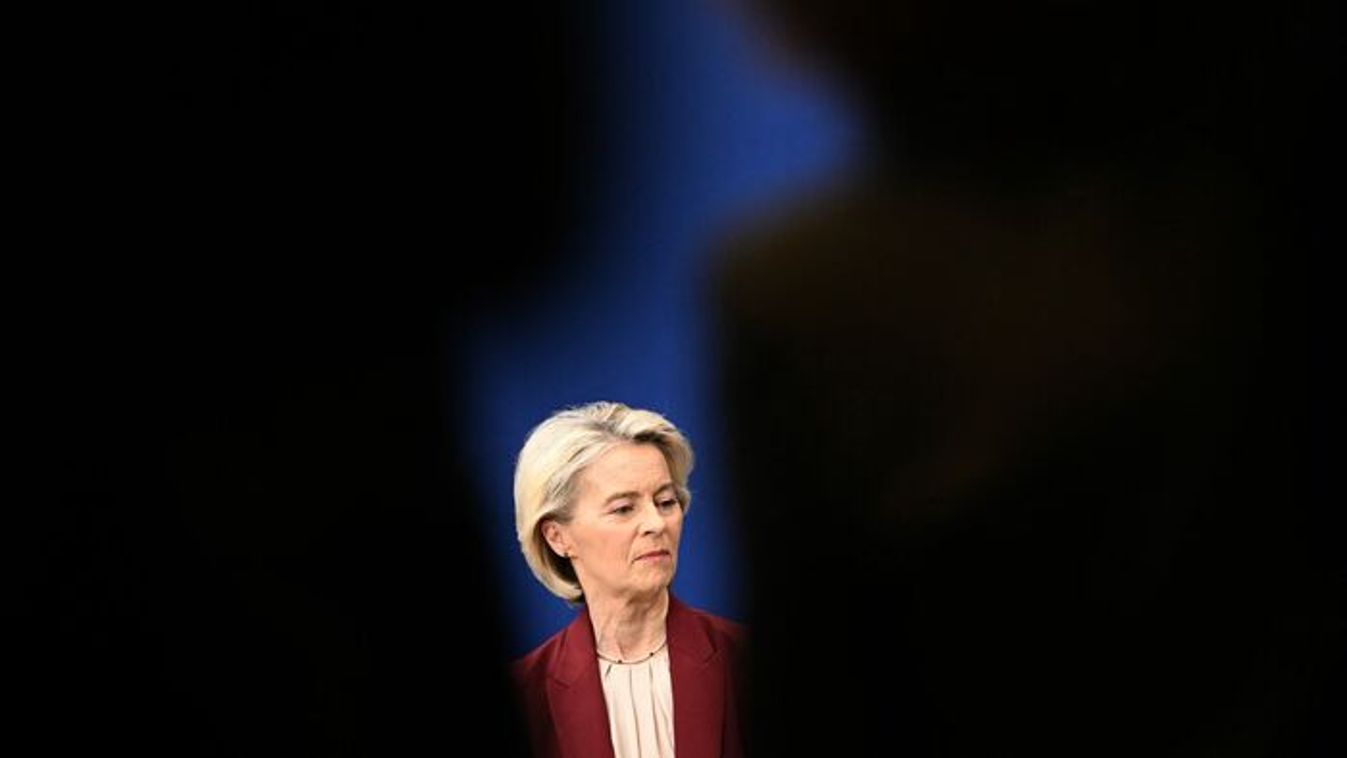
Ursula von der Leyen, President of the European Commission (Photo: AFP)
VéleményhírlevélJobban mondva - heti véleményhírlevél - ahol a hét kiemelt témáihoz fűzött személyes gondolatok összeérnek, részletek itt.

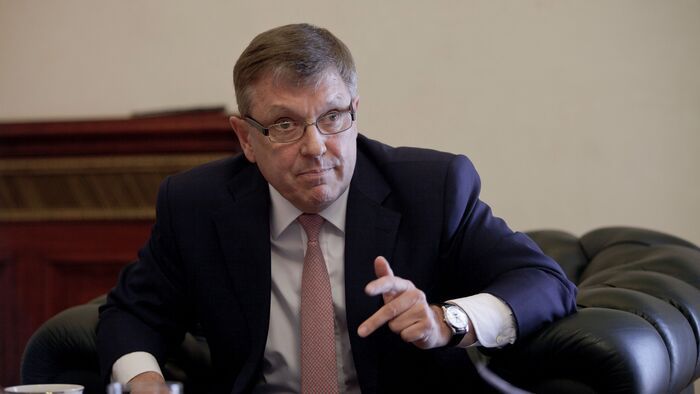
Peter Siklosi, senior researcher at the Hungarian Institute of International Affairs, told Magyar Nemzet the upcoming European Council Summit in Brussels will be a fierce showdown. 

Brüsszelben mindent megpróbálnak majd a háború folytatásáért
Brussels will stop at nothing to continue the war (Photo: NICOLAS TUCAT / AFP)

A great deal has changed on the international stage since the last summit. Ukraine has been rocked by a major corruption scandal that forced out one of President Volodymyr Zelensky’s closest allies, former chief of staff Andriy Yermak. Brussels, too, has been shaken by a fresh corruption affair that the European Commission is now scrambling to distance itself from. Meanwhile, the Americans and the Russians have been engaged in extensive talks over a 28-point peace plan drafted by the Trump administration.

All this sets the stage for what promises to be an exceptionally consequential European Council meeting on December 18, in a sharply polarized political climate, Siklosi said. We asked the expert which issues are likely to drive the clash in Brussels and what to expect.


Siklosi stressed that events are accelerating rapidly. The United States is conducting alternating negotiations with both the Russians and the Ukrainians, while Europe watches from the sidelines and tries to influence Kyiv. At the same time, internal developments are unfolding across Europe itself.

Europe is trying to exert influence through money. It has no other real tools left. They cannot negotiate with Russia—they haven’t spoken with them in four years—so they're trying to shape events through financial support for Ukraine, clearly with the aim of prolonging the war. But Europe has run out of money, and that's why they want to divert frozen Russian assets to Ukraine,

the researcher noted.

However, he emphasized the numerous legal obstacles surrounding this plan, making the frozen-assets issue, in his view, the dominant agenda point on December 18.

This meeting also marks the first appearance of Andrej Babis representing Czechia at the Council—an important development that strengthens the voice of patriotic governments at the Summit.

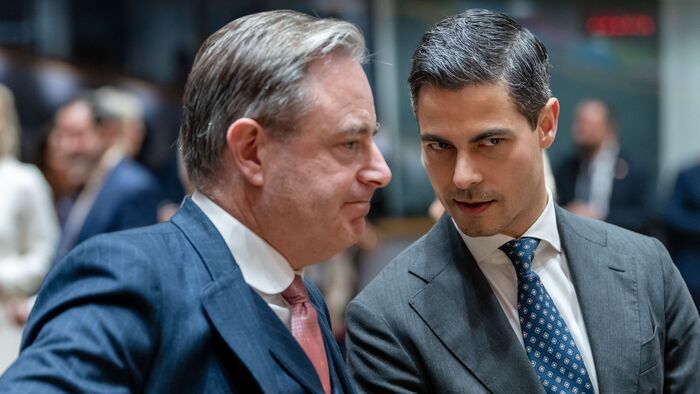
“At the moment, Hungary and Slovakia oppose the effective confiscation of Russian assets. But Belgium is the key player here, because most of the assets sit in the Euroclear system under Belgian jurisdiction,” Siklosi said, adding that Belgium is still resisting the pressure.

Belgium’s hesitation stems partly from fears of possible Russian legal retaliation, and partly from dissatisfaction with the European Commission’s attempted guarantees.  

Although Belgium holds the vast majority of these assets, it wants other countries holding smaller amounts of Russian assets to share the risk—otherwise, they would bear the brunt alone. And the Belgian prime minister has warned that such confiscation would directly contradict U.S. peace proposals,

the expert noted.

Brussels Moving Against the American Peace Plan

According to Siklosi, “Europe’s main goal now is essentially to torpedo the American peace initiative,” which includes the use of Russian assets frozen in Europe. 

Certain European leaders, he said, are trying to block the implementation of Washington’s wider peace framework.


Siklosi expects a major battle in Brussels, as the European Commission is prepared to use a legal workaround—invoking a so-called ‘economic emergency’—to bypass countries that oppose the plan, including Hungary, Belgium, Slovakia, and possibly the Czech Republic, as well as potential others. “This is nothing more than a legal trick, because there is no economic emergency here. But the Commission is betting that by the time a court rules the move unlawful, Europe will already be facing a fait accompli. That’s the battle underway right now,” he said.

Cover Photo: Ursula von der Leyen, President of the European Commission (Photo: AFP)

A téma legfrissebb hírei

Tovább az összes cikkhez chevron-right

Ne maradjon le a Magyar Nemzet legjobb írásairól, olvassa őket minden nap!

Google News
A legfrissebb hírekért kövess minket az Magyar Nemzet Google News oldalán is!

Komment

Összesen 0 komment

A kommentek nem szerkesztett tartalmak, tartalmuk a szerzőjük álláspontját tükrözi. Mielőtt hozzászólna, kérjük, olvassa el a kommentszabályzatot.


Jelenleg nincsenek kommentek.

Szóljon hozzá!

Jelenleg csak a hozzászólások egy kis részét látja. Hozzászóláshoz és a további kommentek megtekintéséhez lépjen be, vagy regisztráljon!

Címoldalról ajánljuk

Tovább az összes cikkhez chevron-right

Portfóliónk minőségi tartalmat jelent minden olvasó számára. Egyedülálló elérést, országos lefedettséget és változatos megjelenési lehetőséget biztosít. Folyamatosan keressük az új irányokat és fejlődési lehetőségeket. Ez jövőnk záloga.