Fidesz Scores Knockout Victory in 2025

Hungary's governing parties can look back on a highly successful year and enter the 2026 election campaign with confidence. Fidesz–KDNP scored decisive victories in by-elections, and according to the polling firm that most accurately predicted the 2022 election results, the governing coalition now holds a commanding lead. Even left-leaning research institutes that had previously favored the Tisza Party are now being forced to acknowledge the government parties’ advantage. The growing strength of Fidesz is also reflected in the success of the nationwide tour organized by the Civic Circles movement.

2025. 12. 27. 13:51
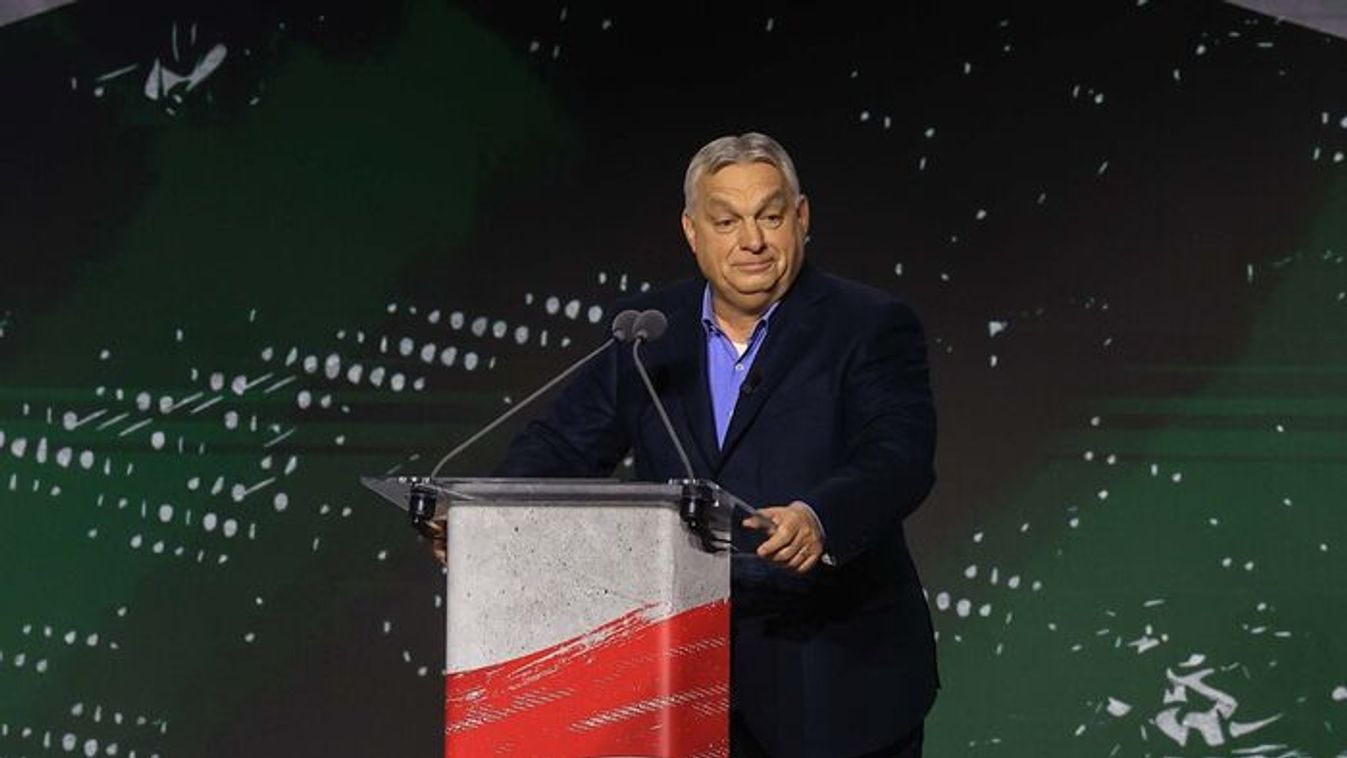
Hungary's Prime Minister Viktor Orban (Photo: Zoltan Havran)
VéleményhírlevélJobban mondva - heti véleményhírlevél - ahol a hét kiemelt témáihoz fűzött személyes gondolatok összeérnek, részletek itt.
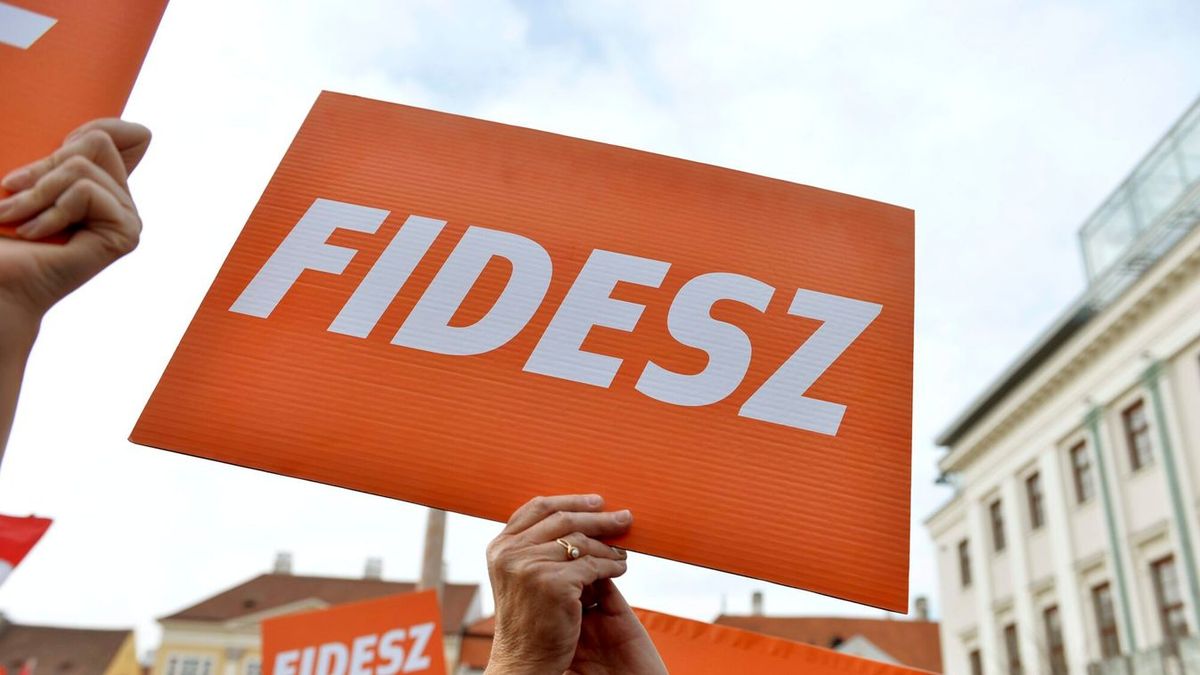
Fidesz
Even left-wing research companies cannot ignore Fidesz's rise (Photo: MTI/Szilard Koszticsak)

In June the left-leaning institute had 42% in favor of Tisza while only 38% for Fidesz. This outcome gradually started to flip, although their September data showed 43% for Tisza, while Fidesz stood at 40%. 

By November the turnaround was complete:  

According to Median’s latest data, support for the Tisza Party has declined to 38 percent, while support for Fidesz has risen steadily to 45 percent. 

The director of the likewise left-aligned Publicus Institute, Andras Pulai, similarly acknowledged that at the local level Fidesz continues to outperform the Tisza Party. He noted that nationwide polling tends to exaggerate the opposition’s strength, while district-level measurements paint a more realistic picture. Since Hungary’s elections are ultimately decided in individual constituencies, these local trends are decisive. Pulai stated

in nationwide polls, "the advantage of Tisza is slightly overestimated," and the better result is only due to the "hype" around the party. 

As he explained, in individual constituency polls, people are asked questions that "bring them back down to earth," giving a more accurate picture of their real party preferences. When asked whether he considers the national or local level to be more important, Pulai emphasized the latter, as that is where the election will be decided, given that there are a total of 106 individual constituencies, while there are only 92 list seats.


Fidesz Holds Clear Lead at Most Accurate Pollster

According to the Hungarian Society for Social Research, considered the most accurate polling firm in recent elections, Fidesz–KDNP now enjoys a solid lead over the Tisza Party. The governing parties have steadily strengthened their position month by month, opening up a 13-point advantage by the end of 2025. While support for the

Tisza Party appears to have plateaued at around 38 percent, Fidesz-KDNP has climbed to 51 percent. As a result, the governing parties enter 2026 in a highly favorable position.

If an election were held this Sunday, only three parties would enter parliament: Fidesz–KDNP, the Tisza Party, and the Our Homeland Movement, which would just clear the five-percent threshold. Notably, the Hungarian Society for Social Research was the most accurate polling firm ahead of the 2022 election as well.

Based on data from the final quarter of 2025, it is clear that this period has belonged politically to Fidesz–KDNP. In October, the governing parties led by 8 points; by December, that lead had expanded to 13.

Government Launches Its “Victory Plan”

According to a late-November survey by the Nezopont Institute, Fidesz would receive 47 percent of the vote, compared to 40 percent for the Tisza Party. The poll showed that support for the governing party has steadily increased since the summer, rising from 44 percent in June by a total of 3 percentage points to 47% in November (up from 46% in August).

20250413 Budapest
A Tisza Párt „Nemzet Hangja” elnevezésű kezdeményezése kérdéseinek eredményváró rendezvénye.
fotó: Havran Zoltán (HZ)
MW
képen: Magyar Péter, a Tisza Párt elnöke
Tisza is falling further behind the ruling parties in the polls (Photo: Zoltan Havran)

The institute noted that since late summer, the government has begun implementing its “victory plan,” including launching the Home Start program, introducing a 14th-month pension, reducing burdens on small businesses, paying special compensation to uniformed personnel, and exempting mothers of three from personal income tax. Diplomatic engagements with U.S. President Donald Trump and Russian President Vladimir Putin also strengthened the government’s standing, 

particularly on issues such as protecting household utility price caps and advocating for peace in Ukraine.

By contrast, the Tisza Party has struggled in the past three months. It failed to set the agenda, and negative headlines—ranging from recurring data leaks to Tisza's tax agenda—are undermining ativists' and public confidence. While the party continues to attract protest voters, its momentum has clearly stalled.

Although support for the Tisza Party rose by two percentage points since August—primarily drawing voters from the Two-Tailed Dog Party (MKKP)

—its overall growth (early summer support at 39, late summer at 38 and fall end support at 40%) has plateaued. With voter turnout at 75 percent, Fidesz would currently receive roughly 400,000 more votes than Tisza.

Massive Turnout at DPK Nationwide Rallies

Recent mass rallies further underscore the governing parties’ growing strength. The nationwide anti-war tour organized by the Digital Civic Circles (DPK) drew large crowds in every city it visited.

The peace-focused events were held in:

  • Gyor on November 15
  • Nyiregyhaza on November 29
  • Kecskemet on December 6
  • Mohacs on December 13
  • Szeged on December 20

Each event was attended by a full house, demonstrating strong public backing for the government’s peace-oriented stance.

The success of the tour followed the overwhelming turnout at the first national gathering of the DPK, prompting organizers to expand the initiative nationwide.

DPK gyűlés Szeged Orbán Viktor
The DPK nationwide anti-war tour was a huge success (Photo: Prime Minister's Office Communications Department/Zoltan Fischer)

Meanwhile, the declining popularity of the Tisza Party was evident at parallel counter rallies. In several cities, including Gyor, Kecskemet, and Szeged, party leader Peter Magyar attempted to mobilize supporters, but turnout was markedly lower at a few hundred.

The contrast was particularly striking on October 23. While more than 80,000 people attended the government-backed Peace March to Kossuth Square, only about 45,000 gathered at the Tisza Party’s event at Heroes’ Square, according to estimates gleaned from cell phone data.

Cover photo: Hungary's Prime Minister Viktor Orban (Photo: Zoltan Havran)


Komment

Összesen 0 komment

A kommentek nem szerkesztett tartalmak, tartalmuk a szerzőjük álláspontját tükrözi. Mielőtt hozzászólna, kérjük, olvassa el a kommentszabályzatot.


Jelenleg nincsenek kommentek.

Szóljon hozzá!

Jelenleg csak a hozzászólások egy kis részét látja. Hozzászóláshoz és a további kommentek megtekintéséhez lépjen be, vagy regisztráljon!

A téma legfrissebb hírei

Tovább az összes cikkhez chevron-right

Ne maradjon le a Magyar Nemzet legjobb írásairól, olvassa őket minden nap!

Google News
A legfrissebb hírekért kövess minket az Magyar Nemzet Google News oldalán is!

Címoldalról ajánljuk

Tovább az összes cikkhez chevron-right

Portfóliónk minőségi tartalmat jelent minden olvasó számára. Egyedülálló elérést, országos lefedettséget és változatos megjelenési lehetőséget biztosít. Folyamatosan keressük az új irányokat és fejlődési lehetőségeket. Ez jövőnk záloga.