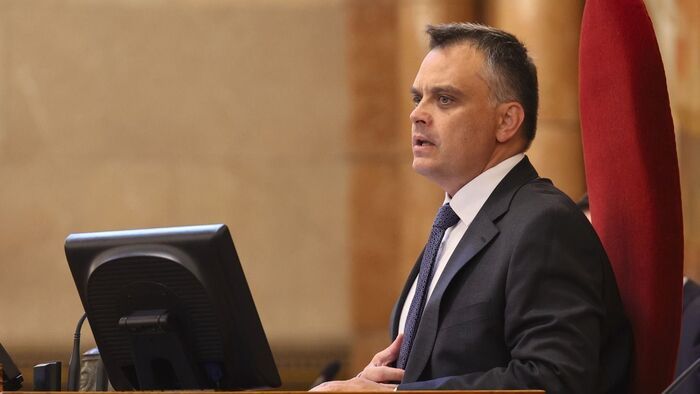
Tisza Party Awaits Death of Pensioners
“The audacity and crudeness of our opponents have reached a new high,” Mr. Orban said, responding to statements by figures associated with the Tisza Party suggesting that their electoral success hinges on the death of pensioners. He noted that most recently Ervin Nagy had made such remarks, following similar comments earlier by Gyorgy Rasko and Robert Puzser.
There is nothing new under the sun. The previous left-wing joker, Peter Marki-Zay, also pinned his hopes on pensioners dying ahead of the 2022 elections. But where is yesterday’s snow now? This one, too, is already melting,
he added.
Long Live Press Freedom
Viktor Orban also highlighted a high-profile campaign launched by the National Resistance Movement to expose the Tisza Party’s tax plans. A dedicated website now lays out the proposals in detail. “Here is the banned edition of Bors! We are publishing the special issue detailing the Tisza tax package. Long live press freedom!” the website reads. “You can see, tax by tax, what the Tisza package would mean in practice for Hungarian families. The Tisza Party tried to hide its program from the Hungarian people.”
Turning to government achievements, PM Orban pointed to the success of the Home Start housing loan program. Since its launch on September 1, banks have already disbursed 15,000 loans. Nearly half of the applications came from young married couples, meaning more than 20,000 young people will spend Christmas in a new home—and perhaps even ring in the New Year in their own apartment or house. An additional 7,000 applications are under review, with another 8,000 contracts in preparation.
That adds up to roughly 30,000 loan contracts, half of which have already been disbursed.
He also noted that since its launch in 2019, the Hungarian Village Program has invested more than 1,300 billion forints in rural development. This year alone, 786 municipalities renovated roads and sidewalks and built new pedestrian crossings, totaling 10 billion forints in investments.