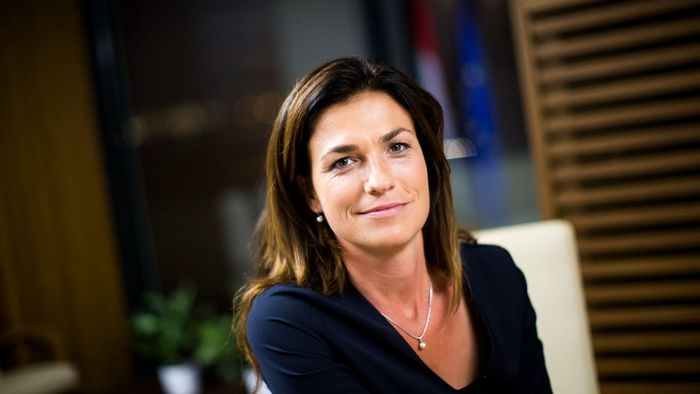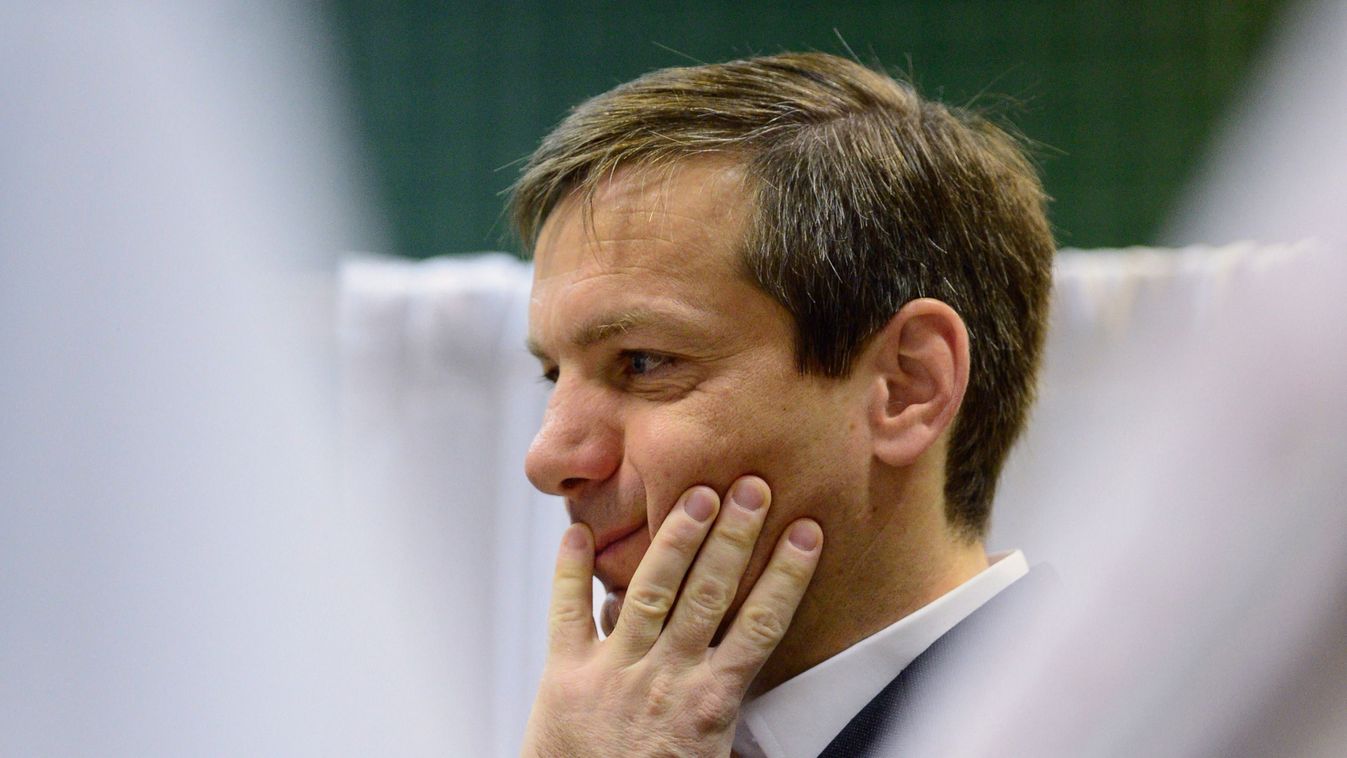
Gordon Bajnai echoed the narrative of Europe’s war hawks in the HVG interview published on Friday.
“We have long been overdue in building European autonomy, and the current shock may give us the push to finally become carnivores instead of herbivores in a world dominated by predators. What doesn’t kill us makes us stronger,” the former left-wing prime minister said. He added that “the economic, technological, and security challenges shaping our lives can only be addressed at a pan-European level.”
Although he rarely makes public appearances, Bajnai has spoken out before on the Russia–Ukraine war. In March 2022, he signed a petition calling for Russian President Vladimir Putin and his associates to be held accountable before an international court, in proceedings modeled on the Nuremberg Trials, over the war in Ukraine. Commenting on the petition, former British Prime Minister Gordon Brown told the British press: “At Nuremberg, we held Nazi war criminals to account. Eight decades later, we must ensure that one day Putin, too, is called to account.”
Western Europe Gripped by War Fever
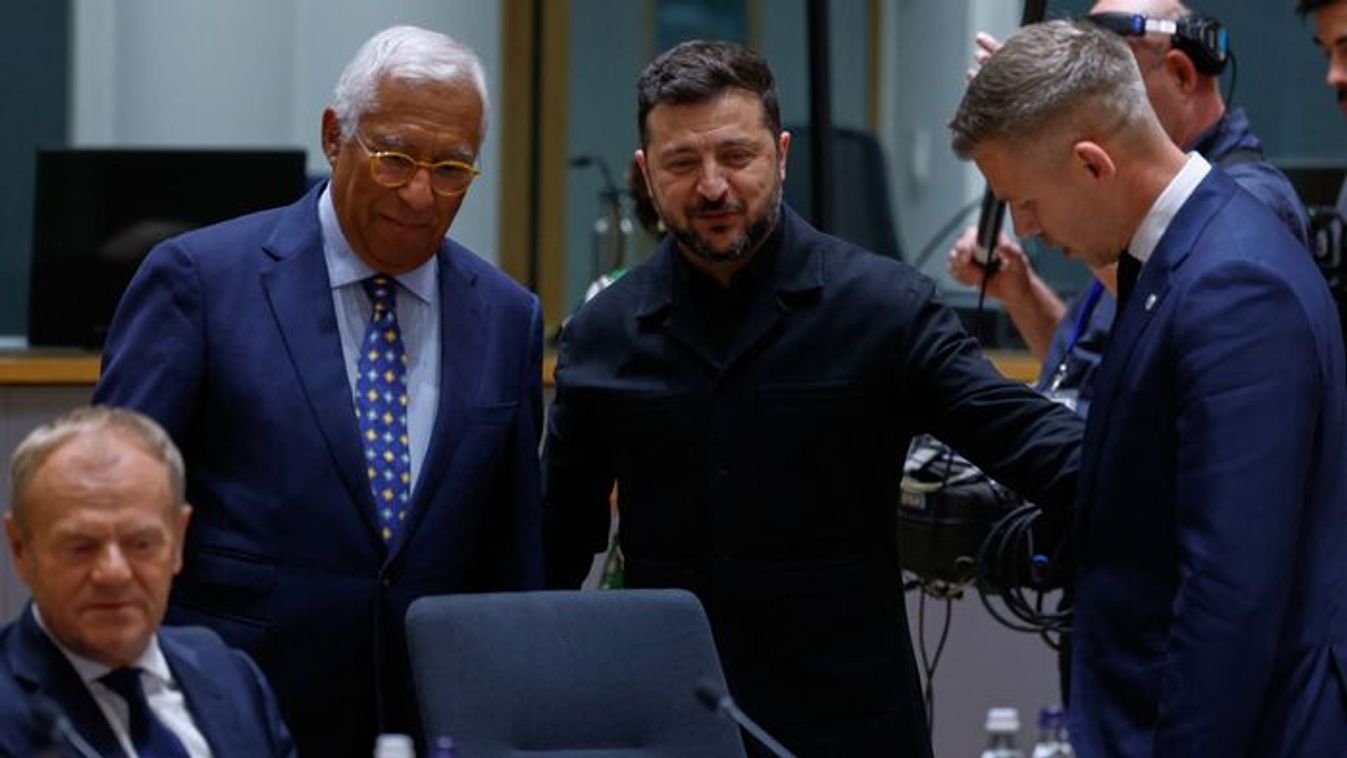
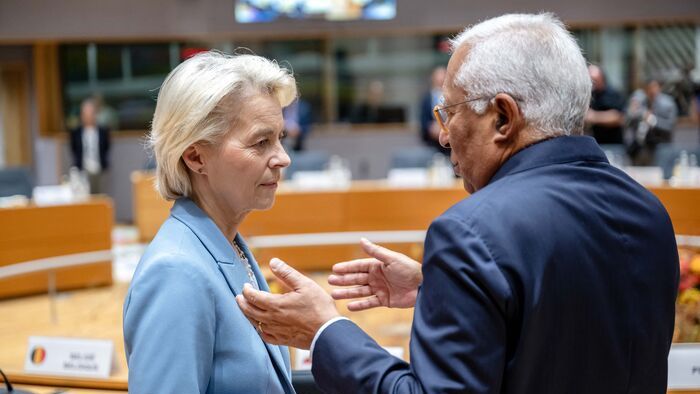
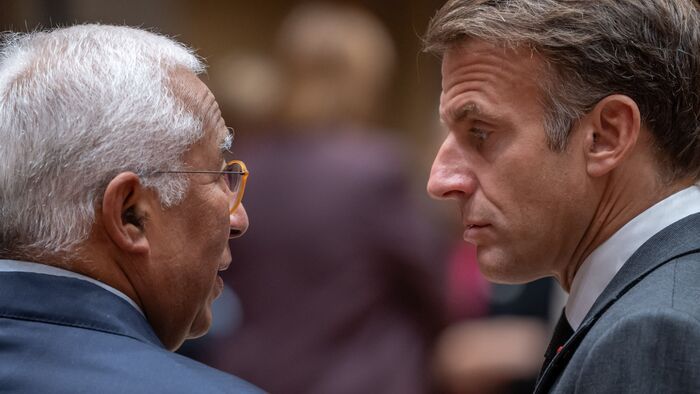
Bajnai’s comments to HVG follow the increasingly militant rhetoric coming out of the European Union and align closely with the positions taken by the Tisza Party’s supporters in Brussels.
As has been widely reported, pro-war politicians are now openly urging the replenishment of military reserves, while military readiness is being ramped up at a rapid pace across Europe.
Croatia was the first to reintroduce mandatory military service in October, but the move is far from an isolated case. From the Balkans to Scandinavia, from France to Germany, one measure after another points toward the return of conscription—or at least its preliminary stages. The question is no longer whether this trend has begun, but who will be next.
“Defense cooperation and the modernization of European armed forces would not be a bad initiative in themselves, but unfortunately all of this is being done with the aim of supporting Ukraine as well,” Laszlo Dornfeld, senior analyst at the Center for Fundamental Rights, recently told Magyar Nemzet. “Brussels has tied its own fate entirely to that of Ukraine. At this point, they can no longer retreat or change course without calling their entire legitimacy into question.” According to Dornfeld, there is a sharp contrast between the Hungarian and Brussels positions: Hungary is pushing for a swift end to the war in Ukraine, while Brussels is preparing for a long-term war strategy.


Szóljon hozzá!
Jelenleg csak a hozzászólások egy kis részét látja. Hozzászóláshoz és a további kommentek megtekintéséhez lépjen be, vagy regisztráljon!