Brussels to Wipe Out Utility Cost Cuts by Banning Russian Energy

If Brussels’ plans are implemented and Hungary is forced to completely cut itself off from Russian gas, this would lead to a dramatic increase in household utility costs and would mean the end of the utility cost reduction scheme, as revealed by a rapid energy policy report by the Center for Fundamental Rights.

2026. 01. 29. 14:23
Cutting off Russian energy is tantamount to dismantling utility cost cuts ­– analysis in five points by the Center for Fundamental Rights
VéleményhírlevélJobban mondva - heti véleményhírlevél - ahol a hét kiemelt témáihoz fűzött személyes gondolatok összeérnek, részletek itt.

The analysis also emphasizes that Brussels adopted the regulation in violation of the EU founding treaties and unlawfully, because: a) the composition of the energy mix is a national competence; b) the ban is clearly not a trade policy measure but a sanction, which would have required unanimous approval in the Council; c) the regulation clearly violates long-term natural gas supply contracts, such as the Russian-Hungarian agreement, and the Russian side may file a claim for compensation.

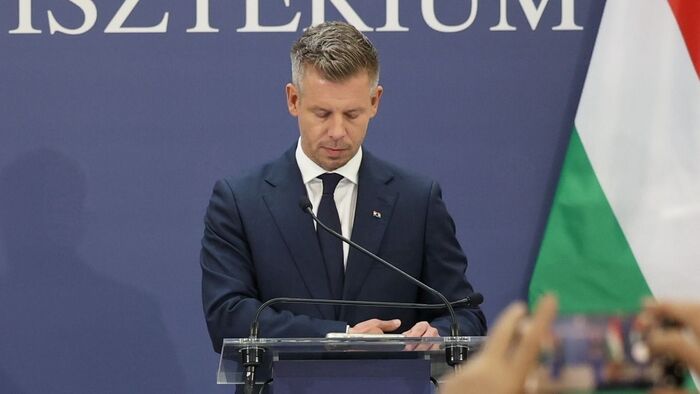
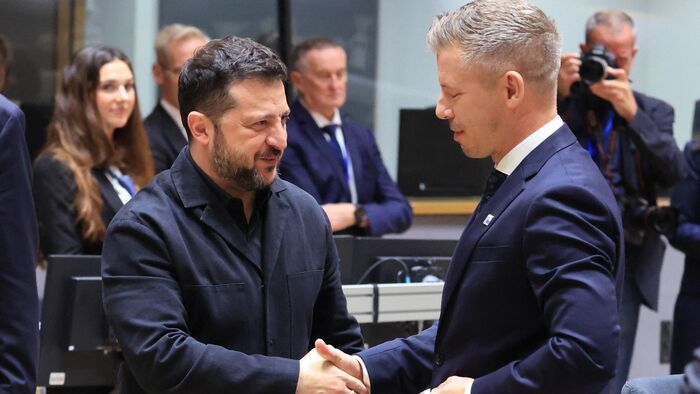
For these reasons, the Hungarian government has solid legal grounds to turn to the Court of Justice of the European Union. It is telling, however, that the EU decision is supported not only by Ukraine, but also by the Tisza Party.

 

In recent days, experts in the Tisza Party's orbit have repeatedly stated that a complete break from Russian gas is a welcome step, since, in their view, the utility cost reduction program is a "humbug".

Beyond legal action, several political paths can be identified to neutralize the effects of the decision. One is the swift achievement of peace in Ukraine, which would obviously render such measures unnecessary or at least minimize their impact. However, this effort is constantly blocked by the Brussels elite.

The other path is essentially social in nature: preserving sovereign energy policy decision-making. Based on past experience, it can rightly be assumed that in response to similar Brussels 'requests,' the Tisza Party would be unable to say no.

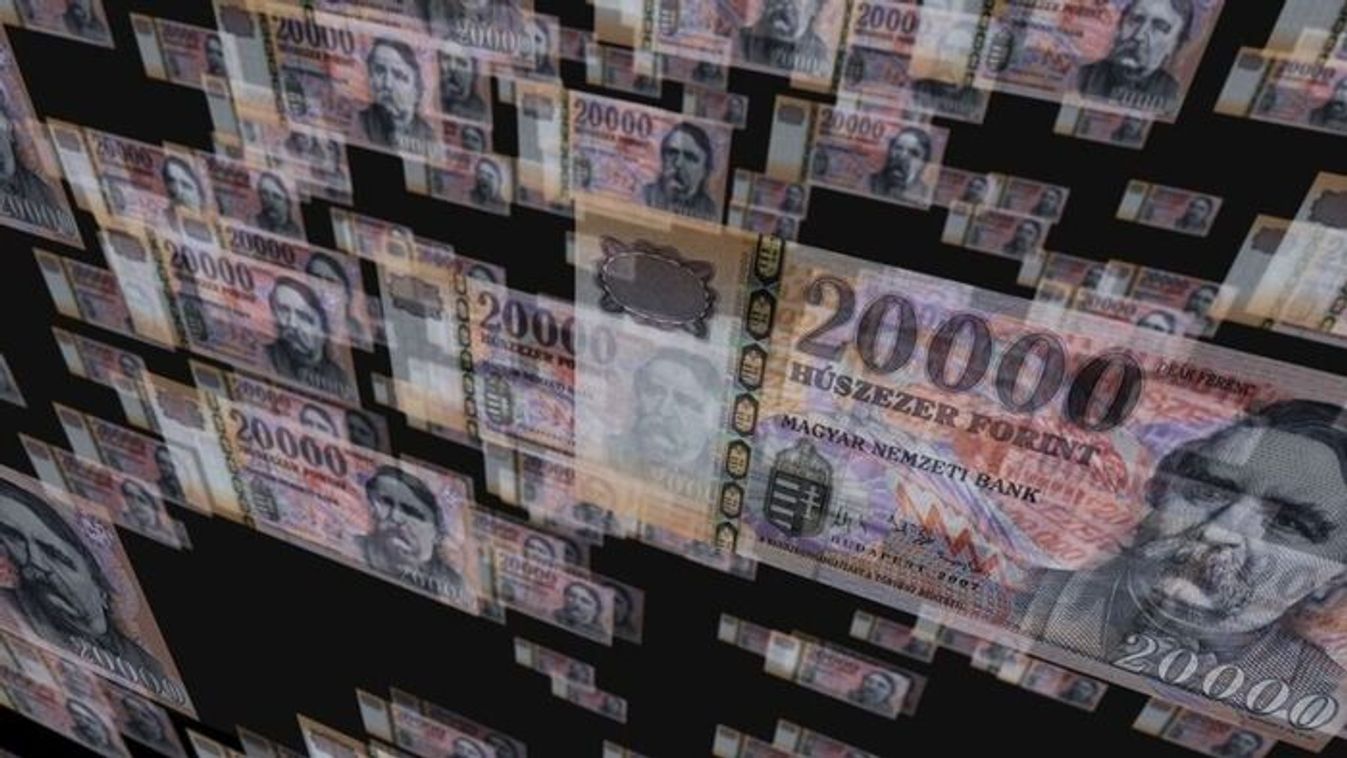
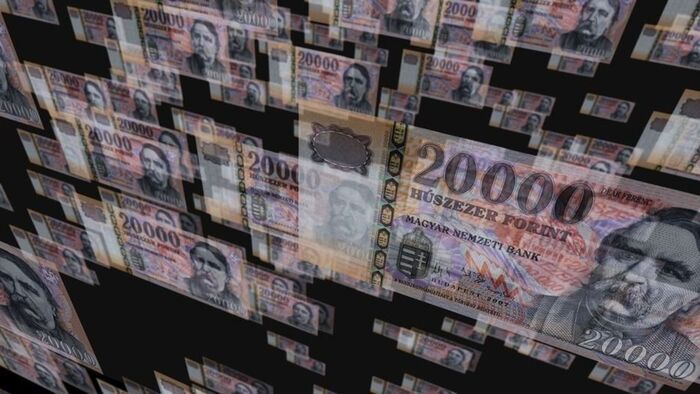
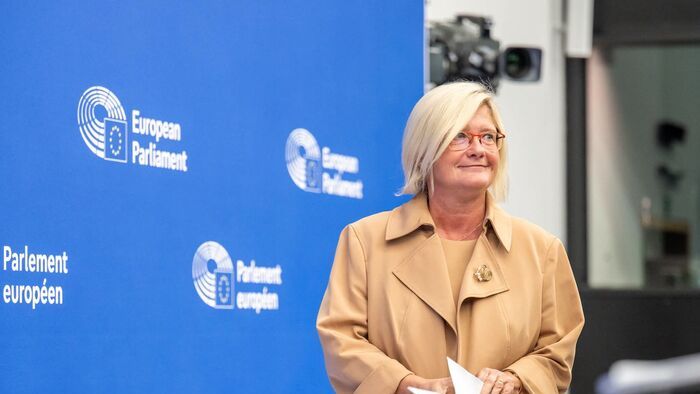
Cover photo: Illustration (Graphic: Center for Fundamental Rights)

Komment

Összesen 0 komment

A kommentek nem szerkesztett tartalmak, tartalmuk a szerzőjük álláspontját tükrözi. Mielőtt hozzászólna, kérjük, olvassa el a kommentszabályzatot.


Jelenleg nincsenek kommentek.

Szóljon hozzá!

Jelenleg csak a hozzászólások egy kis részét látja. Hozzászóláshoz és a további kommentek megtekintéséhez lépjen be, vagy regisztráljon!

A téma legfrissebb hírei

Tovább az összes cikkhez chevron-right

Ne maradjon le a Magyar Nemzet legjobb írásairól, olvassa őket minden nap!

Google News
A legfrissebb hírekért kövess minket az Magyar Nemzet Google News oldalán is!

Címoldalról ajánljuk

Tovább az összes cikkhez chevron-right

Portfóliónk minőségi tartalmat jelent minden olvasó számára. Egyedülálló elérést, országos lefedettséget és változatos megjelenési lehetőséget biztosít. Folyamatosan keressük az új irányokat és fejlődési lehetőségeket. Ez jövőnk záloga.