Hungary FM: Marco Rubio in Budapest to Discuss Prospects for Peace, and Hungarian–American Relations

U.S. Secretary of State Marco Rubio will travel to Budapest to discuss the prospects for peace and the future of Hungarian–American relations, Foreign Affairs and Trade Minister Peter Szijjarto announced on Kossuth Radio’s Sunday News program.

2026. 02. 16. 11:22
VéleményhírlevélJobban mondva - heti véleményhírlevél - ahol a hét kiemelt témáihoz fűzött személyes gondolatok összeérnek, részletek itt.

Foreign Minister Szijjarto said the talks will focus on two key topics. The first is the possibility of achieving peace. In that context, he noted that the American president’s efforts to advance peace are continually being undermined by European leaders. Hungary, by contrast, is working for peace and to ensure that the country stays out of the war, he added.

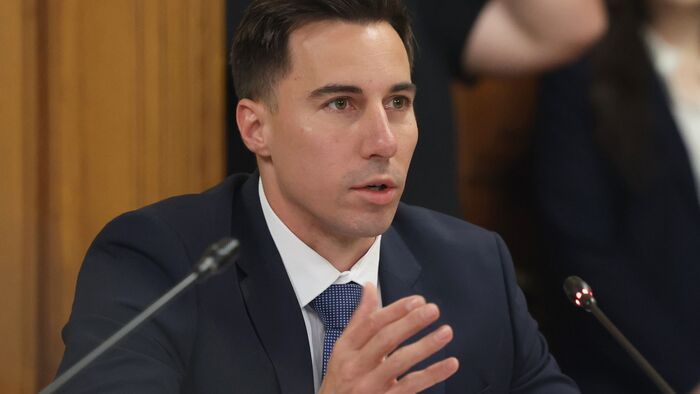
Szijjártó Péter külgazdasági és külügyminiszter
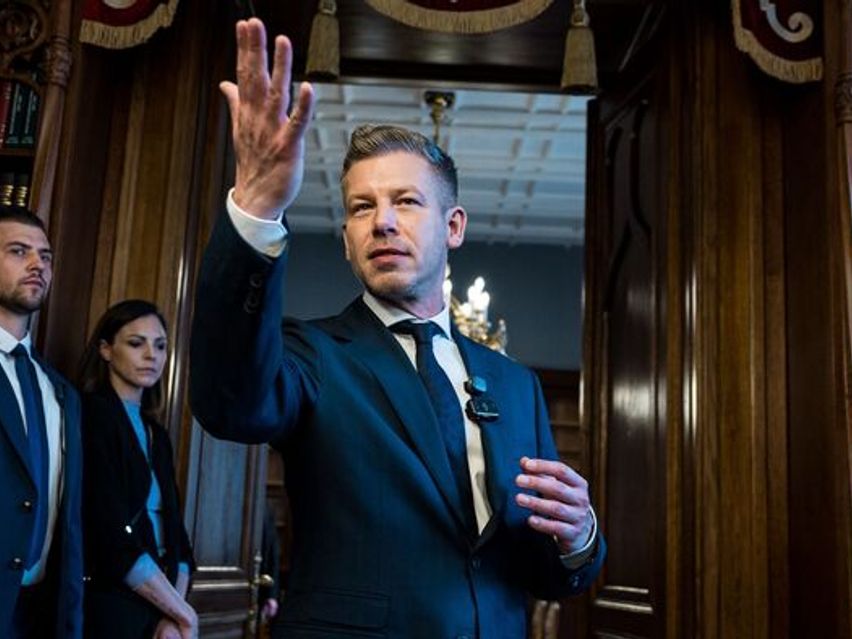
Peter Szijjarto, Minister of Foreign Affairs and Trade (Photo: MTI / Robert Hegedus)

The second major topic will be Hungarian–American relations. According to Szijjarto, a “golden age” has dawned since President Donald Trump took office.

He explained that last year saw a record level of U.S. investment flowing into Hungary, while previous politically motivated sanctions against the country were lifted. Viktor Orbán also secured an exemption in Washington from U.S. sanctions on Russian crude oil, and sanctions related to the Paks nuclear plant expansion were repealed by the United States, 

the minister recalled.

Szijjarto said that beyond political cooperation, there is also a personal friendship based on loyalty between Donald Trump and Viktor Orban. He described them as two of the most frequently attacked politicians in the world who have stood by each other “in the toughest times, amid the most crude and vulgar attacks.” He added that this was evident again at the Munich Security Conference, where several offensive remarks were directed at the Hungarian prime minister and Hungary—similar to past attacks against the U.S. president.

According to Szijjarto, since 2016 mainstream European politicians have been engaged in what he called a “competition in crudeness,” trying to outdo one another in making disparaging remarks about Donald Trump and Viktor Orban. Just as the American president won re-election, he predicts Viktor Orban will prevail as well.

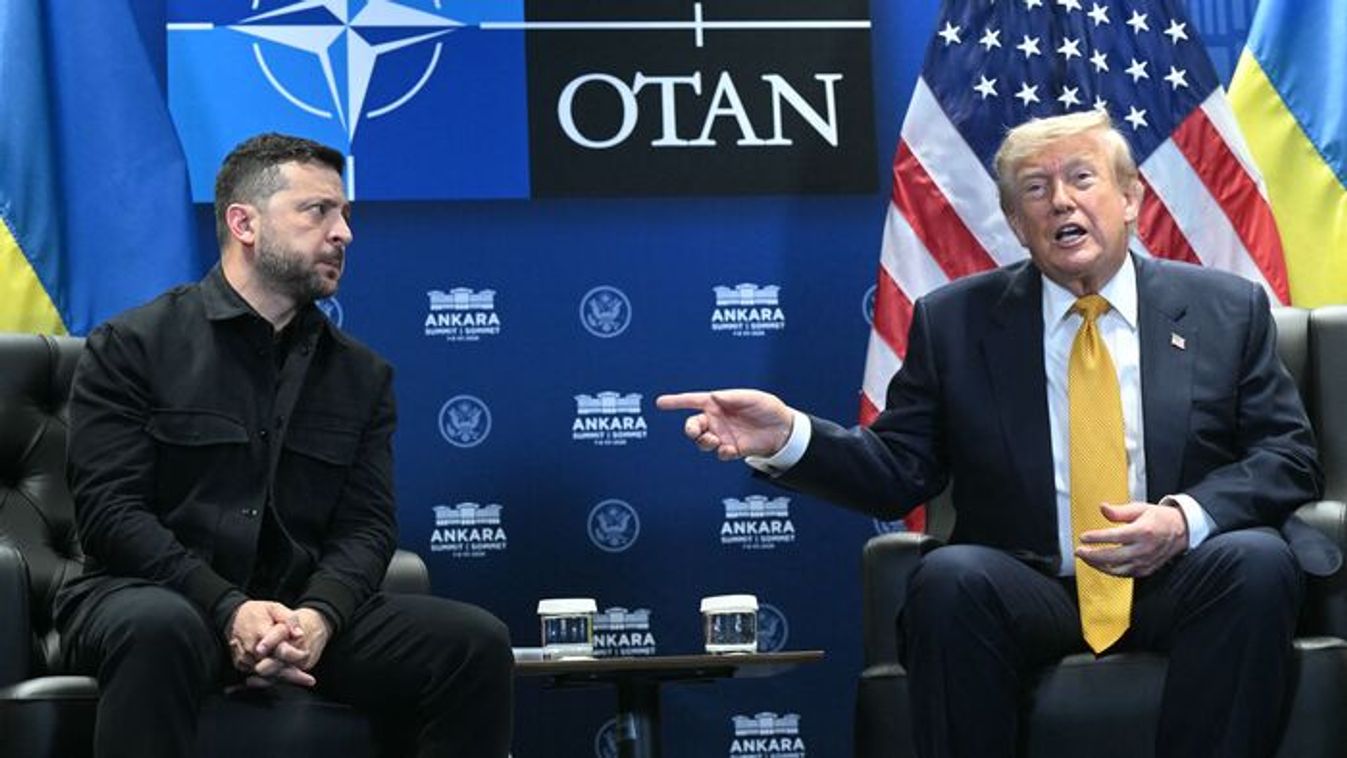
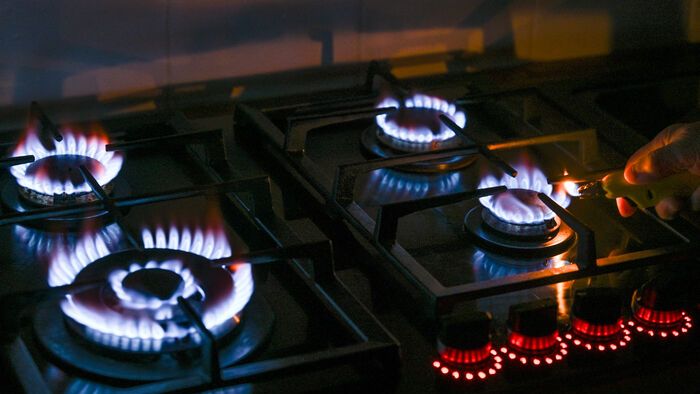
Addressing Hungary’s energy security, the minister said that contrary to false reports, the Druzhba oil pipeline was not damaged in the most recent attack. The damage to surrounding infrastructure is not an obstacle to the pipeline’s operation, he added, noting that it is technically ready to restart. Any obstruction to its operation is therefore purely political in nature. Szijjarto argued that Ukrainian President Volodymyr Zelensky, who he said is pursuing anti-Hungarian policies, has a vested interest in the Tisza Party winning the April 12 elections, because that would give Ukraine a “green light.”

He also said Zelensky fundamentally misunderstands the situation, believing Europe owes Ukraine because it is fighting Russia. In reality, he argued, Russia is not at war with the European Union, and Ukraine is defending itself, not Europe. If Hungary retains its sovereign pro-nation government, Ukraine will not join the EU, Hungary will not go to war, and Hungarian taxpayers’ money will not be sent to Ukraine, he said.

The politician cites this as the reason

Zelensky is doing everything he can to assist the Tisza Party. One element of this, he said, is jeopardizing Hungary’s energy supply—an unfriendly step toward Hungary and serious interference in the country’s electoral process.

He noted that under EU rules, Hungary and Slovakia are exempt from sanctions on Russian oil delivered via pipeline, and if pipeline deliveries become impossible, the two countries are permitted to import Russian oil by sea. The current goal, he said, is to deliver oil to Hungary and Slovakia via the Adriatic pipeline. 

Hungary’s MOL energy company has taken the necessary steps, and now Croatia must enable the arrangement, 

he added, stressing that under EU regulations Croatia is obligated to comply.

Szijjarto described the so-called “Zelensky plan” as a product of what he called the Brussels–Kyiv coalition, aimed at interfering in Hungary’s parliamentary elections and stripping member states of their ability to influence key EU decisions—reducing smaller countries to little more than rubber stamps for proposals from larger states. Hungary will not allow this to happen, he declared.

He emphasized:

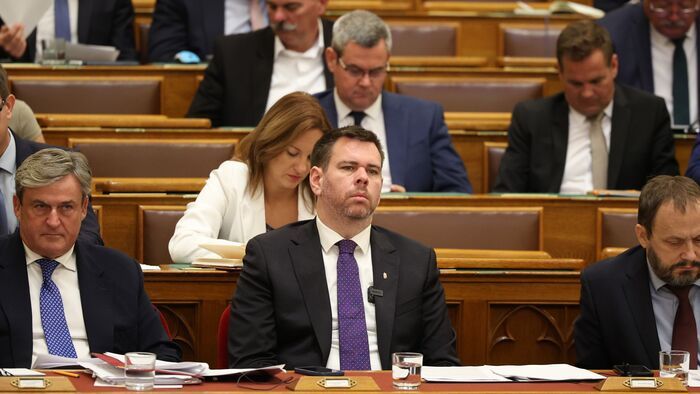
the EU’s requirement for unanimity in the most important matters exists for a reason. Member states must be able to veto decisions that run counter to their vital national interests. Hungary has exercised this right repeatedly—now for the twentieth time—when Brussels has sought to sanction Russian energy companies that supply Hungary with affordable oil and natural gas.

Hungary will not assist in abolishing the veto, Szijjarto said. As long as the country has a sovereign pro-nation government, it will insist on retaining its veto power to ensure that critical EU decisions cannot be made against the will of the Hungarian people.

Turning to the visit of China’s foreign minister, Szijjarto said it is a fitting response to claims that Hungary is isolated internationally that both the U.S. and Chinese foreign ministers are visiting Budapest within a single week. He noted that over the past three years China has been the largest investor in Hungary, bringing cutting-edge technology and creating tens of thousands of jobs. Outside Europe, China is Hungary’s most important trading partner.

He highlighted major joint projects such as the construction of the Budapest–Belgrade railway line, one of the most significant infrastructure developments in Central Europe in recent years. Freight transport on the line will begin on February 27, with passenger service launching on March 14, he said.

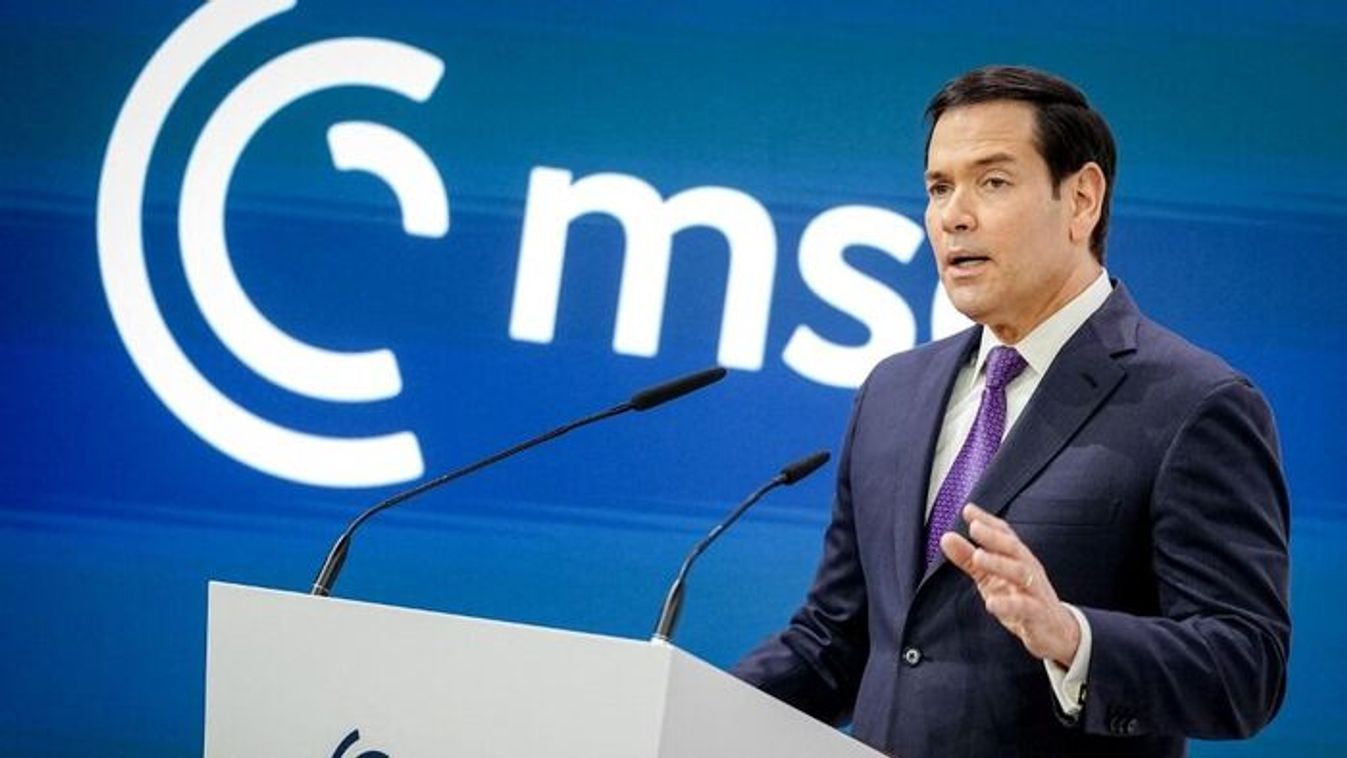
Cover photo: Marco Rubio, U.S. Secretary of State (Photo: AFP)

Komment

Összesen 0 komment

A kommentek nem szerkesztett tartalmak, tartalmuk a szerzőjük álláspontját tükrözi. Mielőtt hozzászólna, kérjük, olvassa el a kommentszabályzatot.


Jelenleg nincsenek kommentek.

Szóljon hozzá!

Jelenleg csak a hozzászólások egy kis részét látja. Hozzászóláshoz és a további kommentek megtekintéséhez lépjen be, vagy regisztráljon!

A téma legfrissebb hírei

Tovább az összes cikkhez chevron-right

Ne maradjon le a Magyar Nemzet legjobb írásairól, olvassa őket minden nap!

Google News
A legfrissebb hírekért kövess minket az Magyar Nemzet Google News oldalán is!

Címoldalról ajánljuk

Tovább az összes cikkhez chevron-right

Portfóliónk minőségi tartalmat jelent minden olvasó számára. Egyedülálló elérést, országos lefedettséget és változatos megjelenési lehetőséget biztosít. Folyamatosan keressük az új irányokat és fejlődési lehetőségeket. Ez jövőnk záloga.