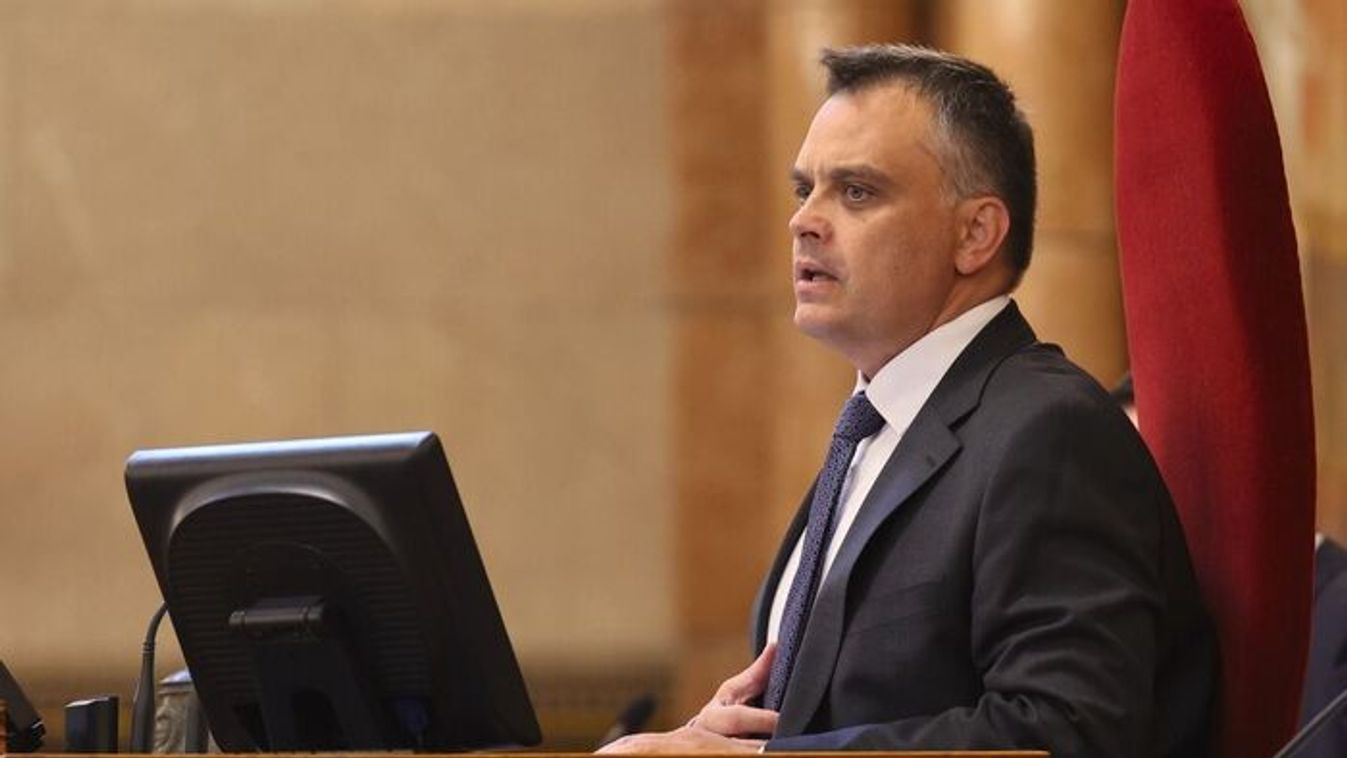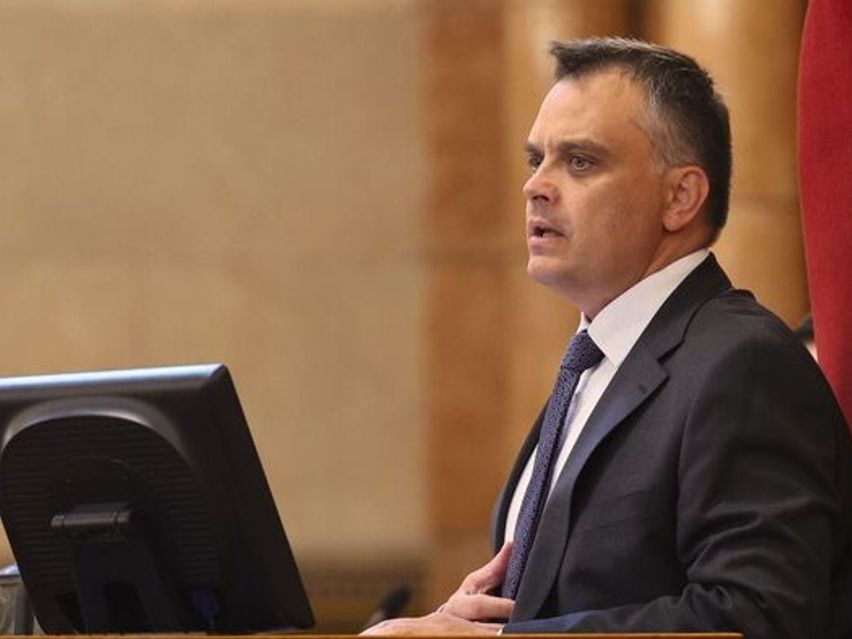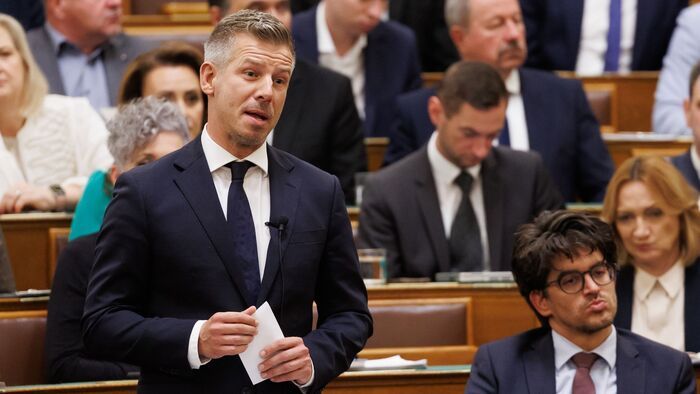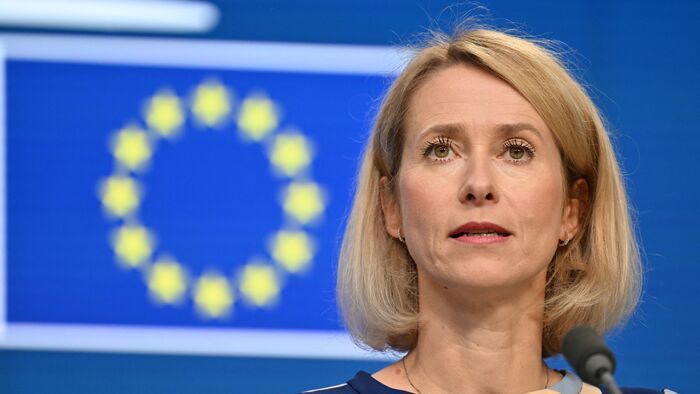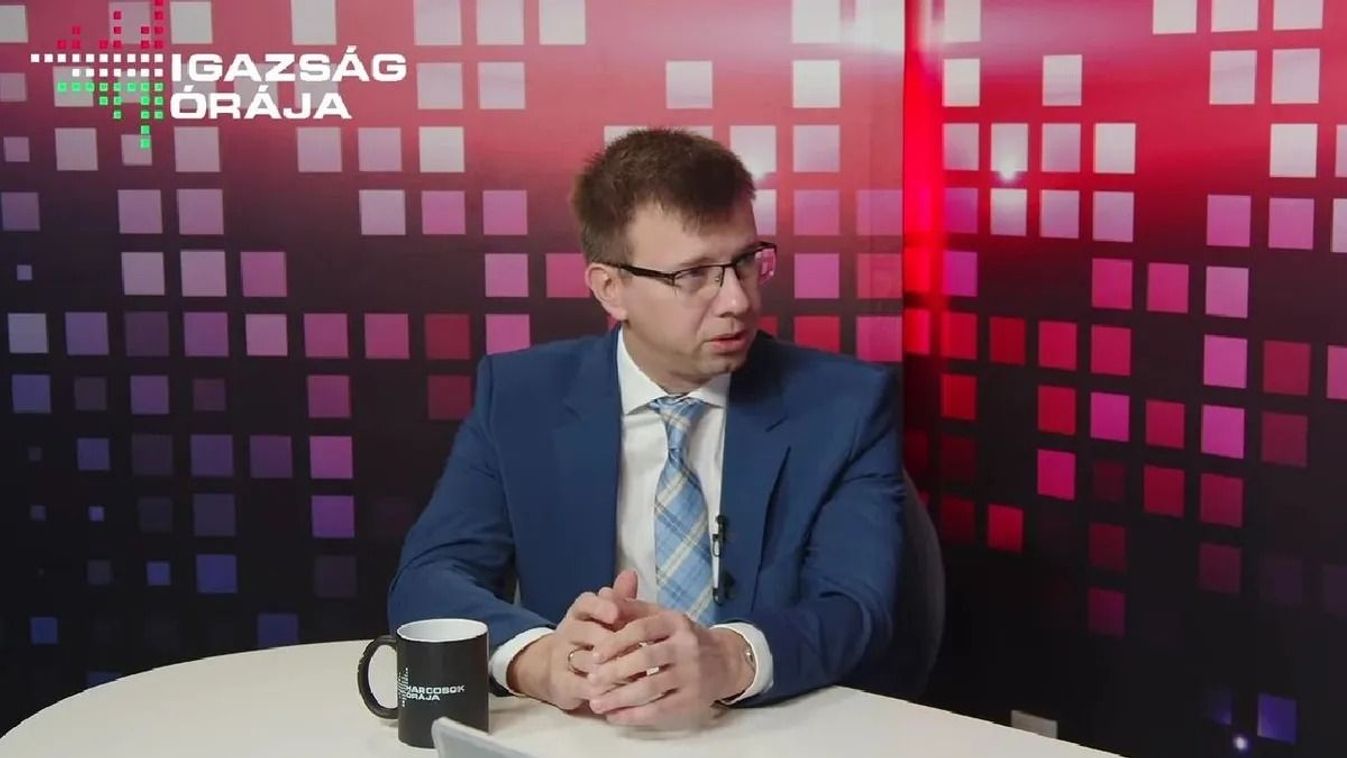
On the question of how Brussels can interfere in Hungarian domestic politics, Janos Boka said the real issue is the nature of the relationship between Peter Magyar and Brussels. He noted that in Brussels they were looking for someone through whom they could replace the sovereign government and set up a puppet government in exchange for some EU funding.
“By having certain people come here from abroad and campaign for the Tisza Party, Peter Magyar may not necessarily benefit, since no one has ever done well by standing alongside Donald Tusk. Major political agreements have been concluded between Brussels and Peter Magyar. We see these elements in the Tisza Party’s program as well. Moreover, their experts have even revealed their real intentions,” he pointed out.
The program also addressed the fact that Ukraine’s foreign minister spoke about Viktor Orban in an unacceptable tone. According to the minister, this is not the first time harsh statements have been made since the outbreak of the Russia-Ukraine war. This is Ukraine’s communication strategy: they do not argue and do not try to make Hungary interested in moving closer to their position. Instead, they go to Brussels or Washington and criticize Hungary there.
“They have always sought to exert pressure in this manner. They think the Hungarian people do not share the views represented by the Hungarian government, but they are mistaken. The national consultation surveys clearly prove what Hungarians think,” he emphasized.
There is a country that is not an EU member and is actively interfering in Hungarian politics and issuing threats, while Brussels remains silent about this. This raises serious questions,
Janos Boka pointed out.