Once the War Reaches Us, It’s Too Late: Why Taking It Seriously Matters

What matters is the quality of the work performed, and in Hungary everyone is entitled to the life path they choose—this applies equally to those facing difficult circumstances, Zoltan Lomnici Jr. told Magyar Nemzet as he assessed Prime Minister Viktor Orban’s speech. The analyst at Szazadveg also stressed that war must be taken seriously while it has not yet reached us.

2026. 02. 01. 15:37
VéleményhírlevélJobban mondva - heti véleményhírlevél - ahol a hét kiemelt témáihoz fűzött személyes gondolatok összeérnek, részletek itt.

The fight against drugs is not limited to domestic policy, Lomnici recalled, citing Viktor Orban’s remarks at the anti-war rally in Hatvan. PM Orban had said Brussels recently penalized Hungary for refusing to open even the smallest loopholes when it comes to drug legalization. The Szazadveg analyst also pointed to the staggering data put out by the European Union Drugs Agency (EUDA), showing that at least 7,500 drug overdose deaths were reported across the EU in 2023. 

Ifjabb Lomnici Zoltán
It is essential to support a government and prime minister who will not allow Hungary to be forced into a war
(Photo: Prime Minister’s Communications Office)


The War Must Be Taken Seriously Before It Reaches Us

Addressing the war, the analyst and constitutional lawyer emphasized that—given Hungary’s negative historical experiences—it is a paramount national interest to support a government and a prime minister who will not allow the country to be dragged into a conflict.

“Time is on our side. A growing number of European countries oppose the war and oppose sending their money—even through Brussels-backed loans—to Ukraine,” he said, citing the latest Europa Project survey by Szazadveg. According to the research, 

69 percent of the EU’s adult population rejects sending troops to Ukraine.

Lomnici pointed out that the situation bears striking similarities to post-2015 migration. While the left dismissed it as a non-issue, it caused irreversible damage in countries across Europe.

The war must be taken seriously before it reaches us—after that, it’s too late,

he underlined, adding that Hungary stands with the Hungarian people on this issue. “Why should we always define our position in relation to others? We must stand by our own national interests,” he said.


We Are Part of a Major Transformation

In his Hatvan speech, the prime minister also addressed Hungarian economic solutions to the challenges facing the automotive industry, highlighting the importance of electromobility. Lomnici said the launch of Raba–Tatra production in Gyor represents the revival of Hungary’s truck manufacturing industry.

“We are part of a major transformation, and we must understand it and take the lead. Managing technological challenges will be a key issue, especially when it comes to protecting children,” he said.

On Roma integration, the prime minister cited the success of tens of thousands of Roma in the country, pointing to significant gains in education and employment. According to Lomnici, the trend is clearly moving in the right direction, though there is still work to be done—built on the cooperation established between the affected communities and the national government since 2010.

What matters is the quality of the work performed, and in Hungary everyone is entitled to the life they choose. This applies equally to those facing difficult circumstances, 

Lomnici said. 

Turning to utility price cuts, the prime minister warned that Brussels and its domestic allies in the Tisza movement are jointly seeking to abolish them. The reason, he said, is that the policy is based on access to inexpensive Russian energy. Brussels has already made decisions to cut off this supply, which Hungary has challenged before the European Court of Justice.

Lomnici stressed that affordable utilities, stable employment, home ownership, and a stable, predictable pension system are not expectations rooted in market ideology, but in the real needs of the Hungarian people.

The Hungarian government understands this and has supported it through numerous measures since 2010,

he said. The expert warned that Ukraine’s EU—and especially NATO—accession would pose a grave threat to the security of Hungarians’ lives and property and could even lead to world war. Lobbyists supporting such integration, he added, including figures like Anita Orban, are advancing a dangerous agenda.

By participating in the national petition, Lomnici said, citizens can not only oppose these Brussels-driven lobby interests but also provide the government with the political leverage it needs to pursue its national agenda.

The expert noted that separate agreements with Ukraine are certainly possible

—but Ukraine must not be admitted into the EU community.

“We also cannot ignore the tone Ukraine already uses toward us as an outsider. What will happen if they start lecturing us from the inside?” he asked. He noted that Hungary supplies Ukraine with electricity, fuel, and gas, hosts thousands of Ukrainian refugees, and that more than 14 million border crossings from Ukraine have been recorded since the war began.

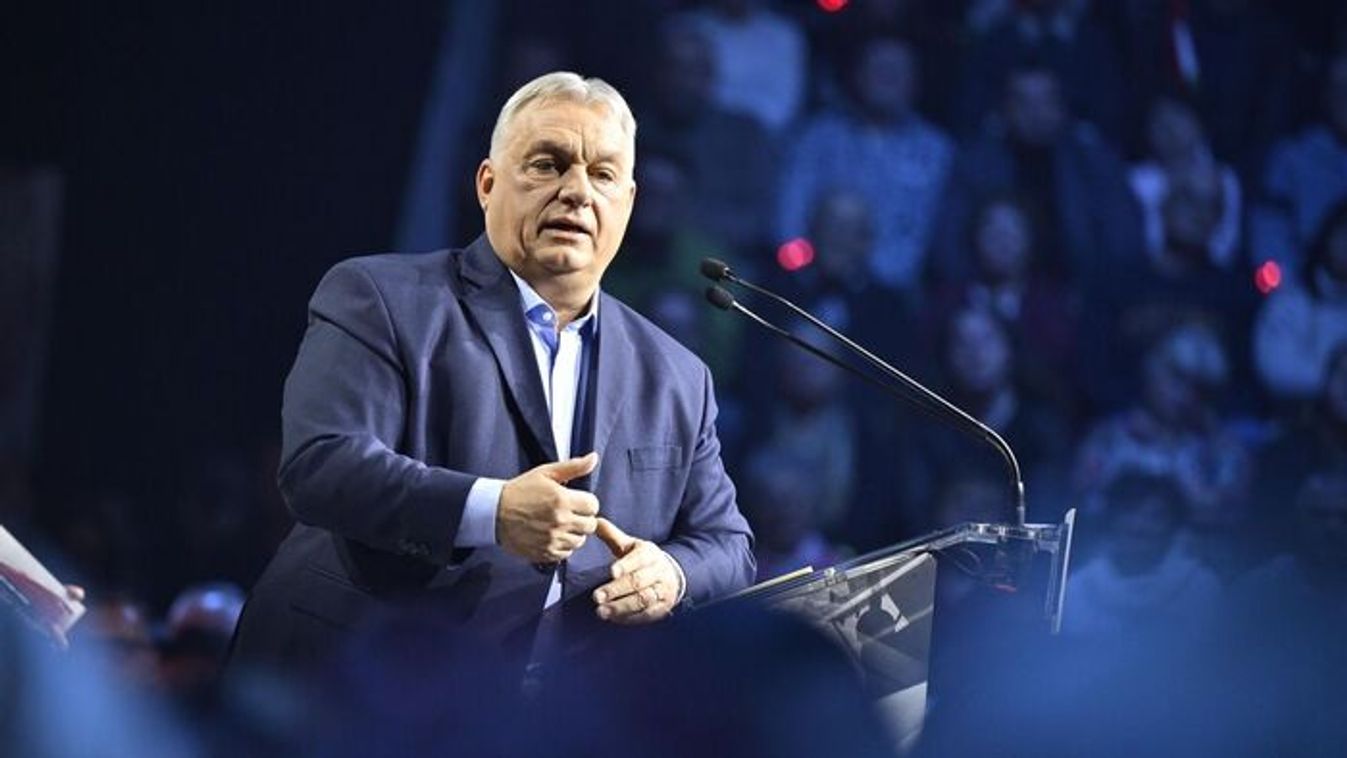
Cover photo: Hungary's Prime Minister Viktor Orban (Source: Facebook)

Komment

Összesen 0 komment

A kommentek nem szerkesztett tartalmak, tartalmuk a szerzőjük álláspontját tükrözi. Mielőtt hozzászólna, kérjük, olvassa el a kommentszabályzatot.


Jelenleg nincsenek kommentek.

Szóljon hozzá!

Jelenleg csak a hozzászólások egy kis részét látja. Hozzászóláshoz és a további kommentek megtekintéséhez lépjen be, vagy regisztráljon!

A téma legfrissebb hírei

Tovább az összes cikkhez chevron-right

Ne maradjon le a Magyar Nemzet legjobb írásairól, olvassa őket minden nap!

Google News
A legfrissebb hírekért kövess minket az Magyar Nemzet Google News oldalán is!

Címoldalról ajánljuk

Tovább az összes cikkhez chevron-right

Portfóliónk minőségi tartalmat jelent minden olvasó számára. Egyedülálló elérést, országos lefedettséget és változatos megjelenési lehetőséget biztosít. Folyamatosan keressük az új irányokat és fejlődési lehetőségeket. Ez jövőnk záloga.