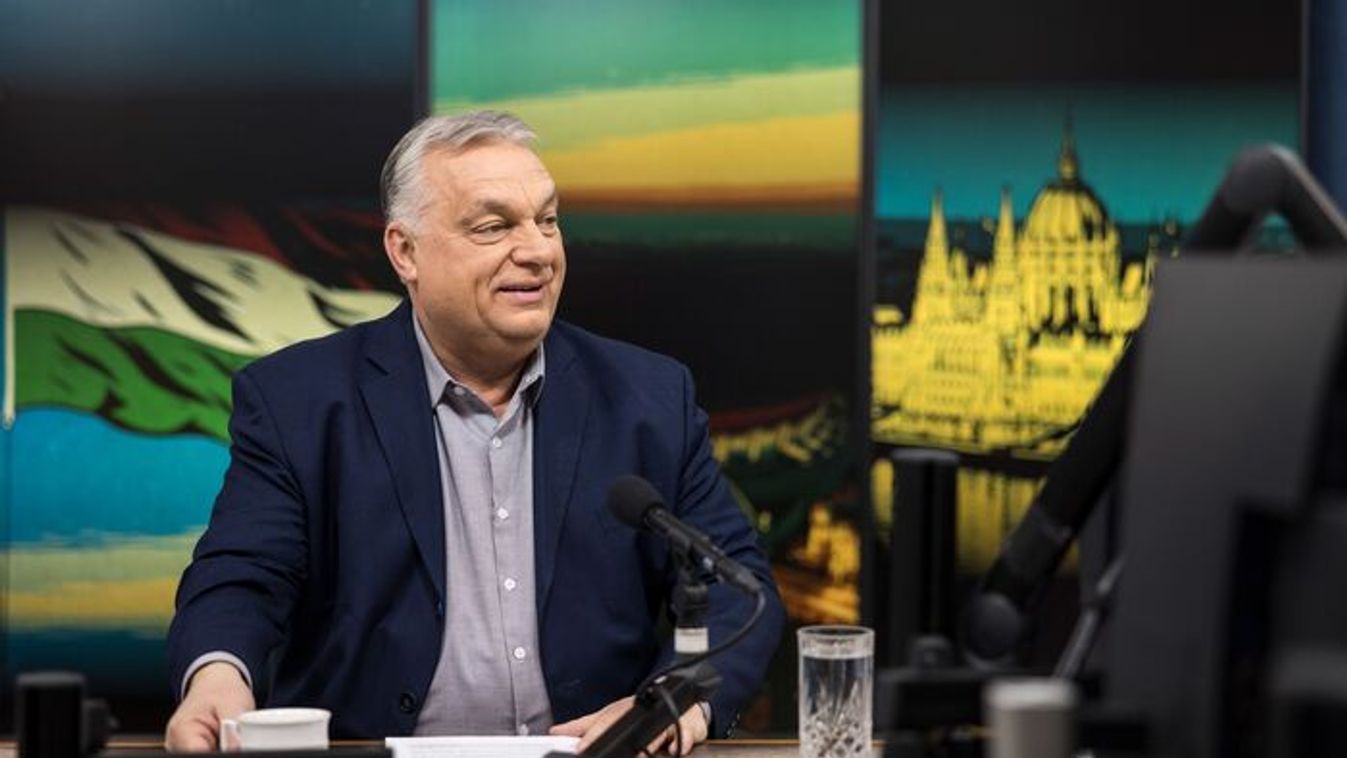
Addressing energy security, Orban said discussions are ongoing regarding oil deliveries through Croatia, but emphasized that Croatia remains a trusted partner.
“This has been the case for 800 years. It is a tremendous historical legacy that must be preserved. It is in both Hungary’s and Croatia’s interest to maintain friendship,” he said, adding that
Hungary expects Croatia to fulfill its contractual obligations and ensure oil deliveries.
He explained that Hungary currently relies on the Druzhba pipeline as its main supply route, supplemented by a secondary pipeline through Croatia. Hungary’s proposal is to upgrade the Croatian route into a primary supply line, but doing so requires further development and testing. In any case two pipelines are necessary to bridge the fallout if there is a problem with the other.
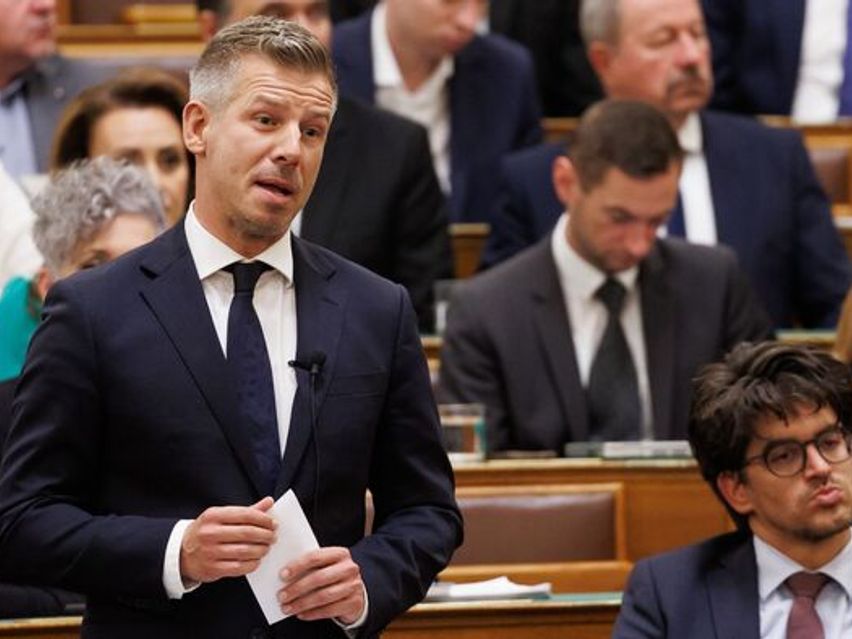
PM Orban also criticized Tisza's energy policy program announced by the former Shell executive as dangerous, arguing that to fully abandon Russian oil would reduce Hungary’s energy security rather than diversify it.
“If I cut off a functioning pipeline, I am not expanding my options but narrowing them. That is not diversification,”
the prime minister pointed out.
He noted that Russian oil is approximately $13 cheaper per barrel than Western oil, with a total difference of around $20 including transport costs. According to MOL data, losing Russian oil could lead to gasoline prices of 1,000 forints per liter and economic disruption. He also pointed out that refineries cannot process all oil types interchangeably.
PM Orban emphasized that Hungary has learned to live with the war over the past four years while remaining committed to staying out of it.
“We will continue to stay out of this war. A national-minded government means security, and that is worth remembering in the next election,” he said. He warned that Hungary is now closer to the conflict than before, arguing that the United States has withdrawn support for Ukraine and may soon step back diplomatically as well if no peace is reached, while the European Union continues to back the war effort, and wants to send a 'multinational security force'. "Their plan is to win on the battlefield rather than through peace. And Ukraine is bent on joining the Union."
“In the next two to three years, we must prepare for the most dangerous scenario and focus on staying out,”
PM Orban said, stressing that all Hungarians can decide whether they believe Peter Magyar's claims or not.