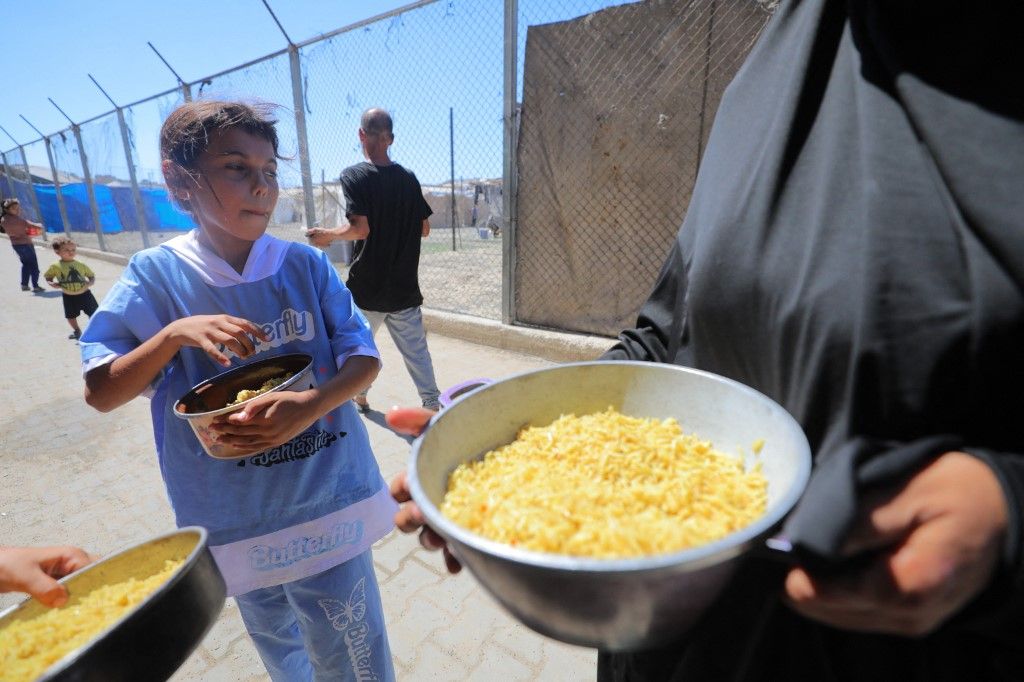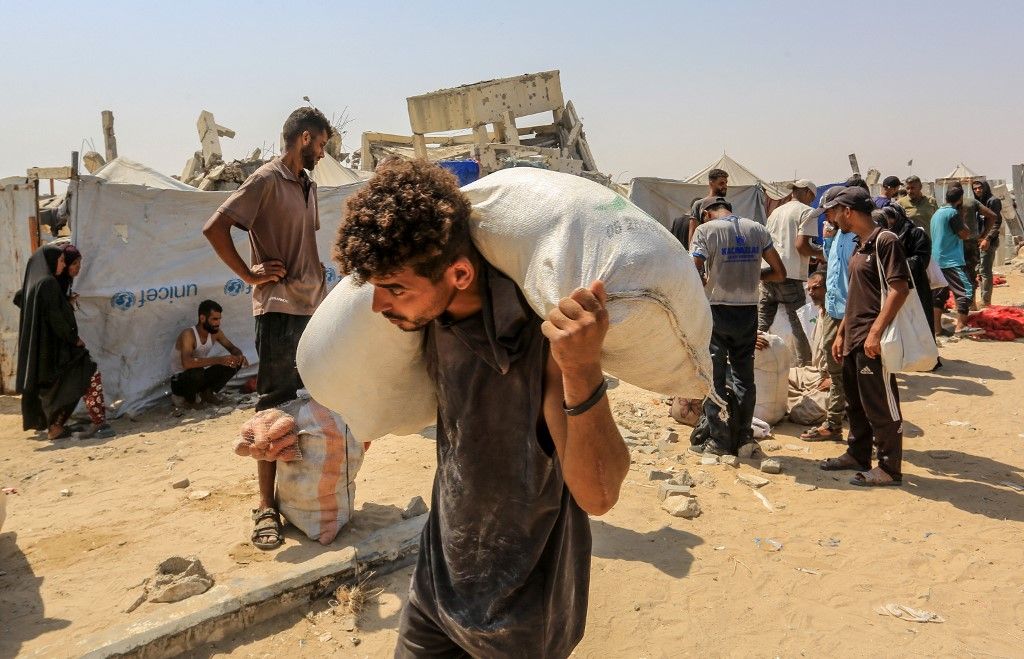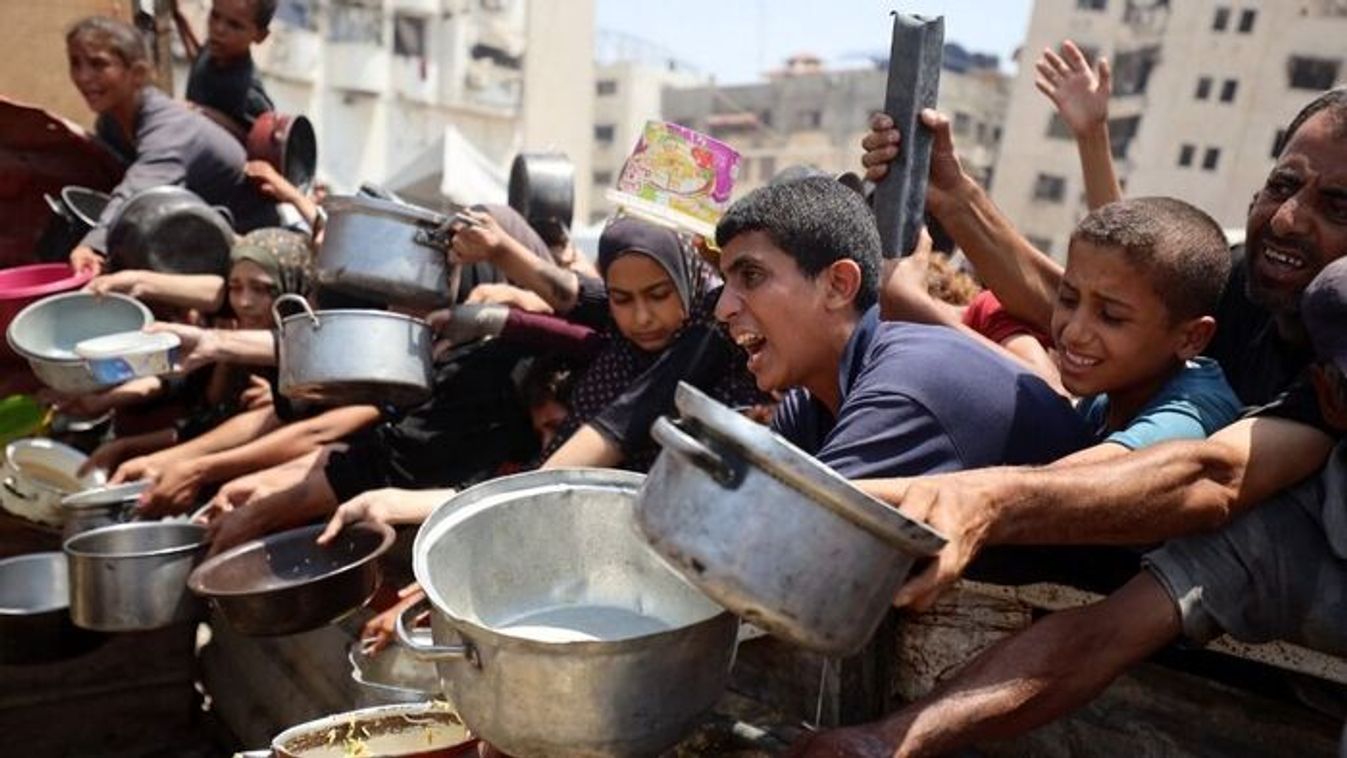
Ultimately, only about 12.5–17.5% of aid reached Somalis in need, according to the report.
A “strictly confidential” July 2023 UN internal report commissioned by Secretary-General Antonio Guterres included testimonies from Somali internally displaced persons (IDPs) who said they were “forced to hand over half of their cash assistance to those in power or face eviction, arrest, or removal from the beneficiary list,” Reuters reported.
Ethiopia
In Ethiopia, researchers found that the UN WFP “turned a blind eye” to aid diversion—particularly when the Ethiopian military forced local mills to grind 30 tons of looted grain into flour for soldiers.
The U.S. Agency for International Development (USAID) eventually discovered the scheme and suspended assistance to Ethiopia.
Reuters also found WFP had been aware of the diversion “for years.” Responding to concerns raised in 2024, WFP director Cindy McCain declared that the agency has a policy of “zero tolerance for theft or diversion.”
Syrian Civil War (2011–2024)
During the Syrian war, President Bashar al-Assad “dictated the terms of humanitarian aid,”
including skimming off about 51% through currency conversion schemes, and blocking aid from reaching opposition-held areas, deemed “too dangerous” for distribution.
David Adesnik, Research Director at the Foundation for Defense of Democracies, told Fox News Digital that Assad’s financing “fueled a war of annihilation.”
It’s not just about losing or wasting aid,” he said, “it’s about actively aggravating the conflict and causing more violence,
he said.
Yemen (2014–present)
While the UN reported only about 1% of aid “going missing,” researchers noted that roughly 60% of beneficiaries never received their aid, as Houthi loyalists commandeered it or bad actors sold it on the black market.