Hungary FM: The Government Is Building Hungary’s Future on Its Children

The Minister of Foreign Affairs and Trade attended an education conference in Demecser, where he reported not only on the crises of the past decade and a half, but also on the results achieved. Peter Szijjarto emphasized that Hungary has succeeded in developing a family support model that is being watched with interest around the world.

2026. 02. 21. 13:28
VéleményhírlevélJobban mondva - heti véleményhírlevél - ahol a hét kiemelt témáihoz fűzött személyes gondolatok összeérnek, részletek itt.

"Hungary is building its future on its children, and that is why support for families stands at the heart of government policy,but in the current crisis-ridden climate, all of the results we have achieved are at risk, " Foreign Affairs and Trade Minister Peter Szijjarto said Friday at the education conference in Demecser. The minister began by outlining the major challenges Hungary has faced in recent years: the global financial collapse, mass illegal migration, the coronavirus pandemic, and the war in Ukraine. In his view, the government has successfully responded to each of these crises thanks to a sovereign policy rooted in national interests.

Szijjártó Péter szerint a jövő versenyképessége az oktatással kezdődik
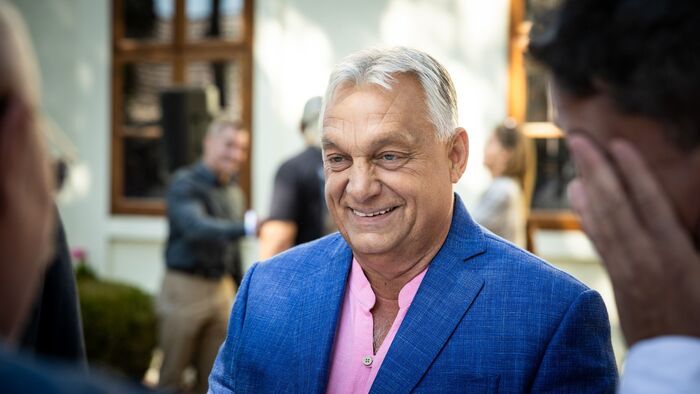
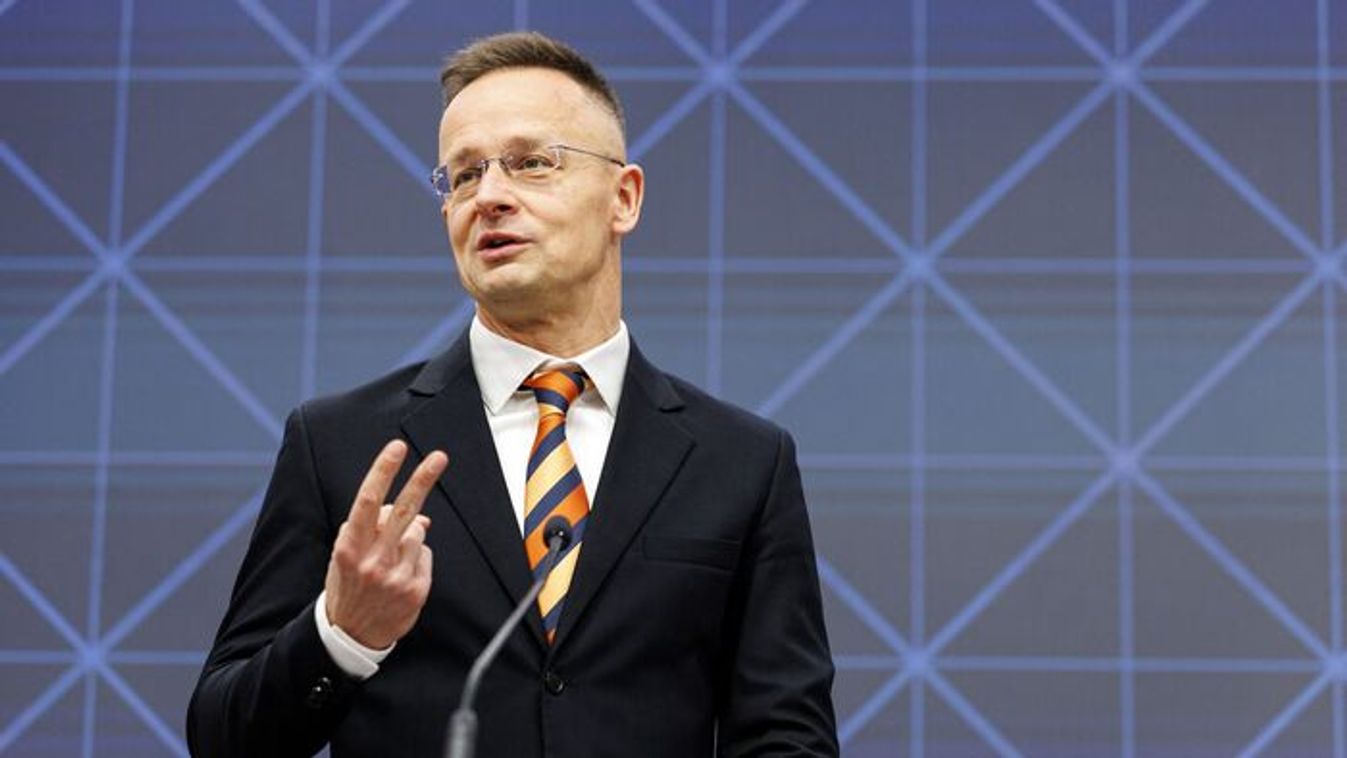
According to Foreign Minister Peter Szijjarto, Hungary's future competitiveness begins with education (Photo: ATTILA KISBENEDEK / AFP)

He stressed that Hungary’s future rests on its children. Accordingly, family support forms the very core of the government’s strategy, with the goal of ensuring that having children is not a financial burden and that no one is placed at a disadvantage for starting a family.

Hungary has built what he described as a “truly world-class family support system,” one that observers around the globe watch “in amazement.”

“Even today, people in many parts of the world can hardly believe it when I explain that in Hungary, as part of a series of measures, mothers are exempt from paying personal income tax, regardless of the number of children or the mother’s age,” he said. “They are equally astonished that we provide exponentially increasing tax exemptions for families depending on the number of children.”

He also pointed to policies he described as unique worldwide: mothers receive their previous gross salary net for the first six months after a child is born, and if they choose to remain at home, they receive 70 percent of their prior pay until the child reaches two and a half years of age.

It is also virtually unheard of elsewhere that women can retire after forty years of employment,” he added, "along with programs such as the baby-expecting loan, the CSOK home-creation subsidy, CSOK Plus, and the recently introduced three-percent home purchase loan, which he said has also drawn international admiration.

 

At the same time, Szijjarto emphasized that there can be no competitiveness and no hopeful future without high-quality, accessible education. In his view, two conditions are essential: respected teachers and proper infrastructure.

“Over the past sixteen years, we have done everything possible to establish these two preconditions,” he said.

He noted that since the current government took office, the number of nursery school places has doubled, reaching 70,000 nationwide. Addressing the long-standing debate over teachers’ salaries, he pointed out that in 2010 the average teacher salary stood at 170,000 forints.

“We worked hard to change that unjust situation,” he said. “Last year, teachers received a 21 percent pay increase, followed by another 10 percent this year, on top of previous raises. As a result, the average teacher salary will reach 936,000 forints.”

But, he added, "This is not the final destination. “We must continue forward, because the nation’s future lies in its children—and what kind of children shape that future depends in part on us as parents, and in part on you as educators.”

The minister also highlighted equal opportunity measures introduced by the government, including free textbooks, discounted or free school meals, travel discounts, reimbursement of language exam fees, free dormitory housing for disadvantaged students, and social-based scholarships.

In Szijjarto’s view, these policies together form the foundation of a long-term strategy that places Hungarian families—and the next generation—at the center of the nation’s future.

Cover photo: Peter Szijjarto, Hungary's Minister of Foreign Affairs and Trade (Photo: AFP)

Komment

Összesen 0 komment

A kommentek nem szerkesztett tartalmak, tartalmuk a szerzőjük álláspontját tükrözi. Mielőtt hozzászólna, kérjük, olvassa el a kommentszabályzatot.


Jelenleg nincsenek kommentek.

Szóljon hozzá!

Jelenleg csak a hozzászólások egy kis részét látja. Hozzászóláshoz és a további kommentek megtekintéséhez lépjen be, vagy regisztráljon!

A téma legfrissebb hírei

Tovább az összes cikkhez chevron-right

Ne maradjon le a Magyar Nemzet legjobb írásairól, olvassa őket minden nap!

Google News
A legfrissebb hírekért kövess minket az Magyar Nemzet Google News oldalán is!

Címoldalról ajánljuk

Tovább az összes cikkhez chevron-right

Portfóliónk minőségi tartalmat jelent minden olvasó számára. Egyedülálló elérést, országos lefedettséget és változatos megjelenési lehetőséget biztosít. Folyamatosan keressük az új irányokat és fejlődési lehetőségeket. Ez jövőnk záloga.