Viktoria Ferenc: Prolongation of the War Is Causing Growing Number of Human Tragedies

Now in its fourth year, the war in the neighboring country continues, and Hungary views the conflict differently not only because of its geographic proximity. The Hungarian community in Transcarpathia experiences its consequences firsthand every single day. Viktoria Ferenc, a Member of the European Parliament for the Fidesz–KDNP alliance, was born near Uzhhorod and continues to return home frequently. As a result, she has direct insight into the challenges faced by Hungarians living beyond Hungary’s borders. Magyar Nemzet spoke with the representative about the community’s situation, the hardships they face, forced conscription, and Brussels’ response.

2026. 02. 28. 14:47
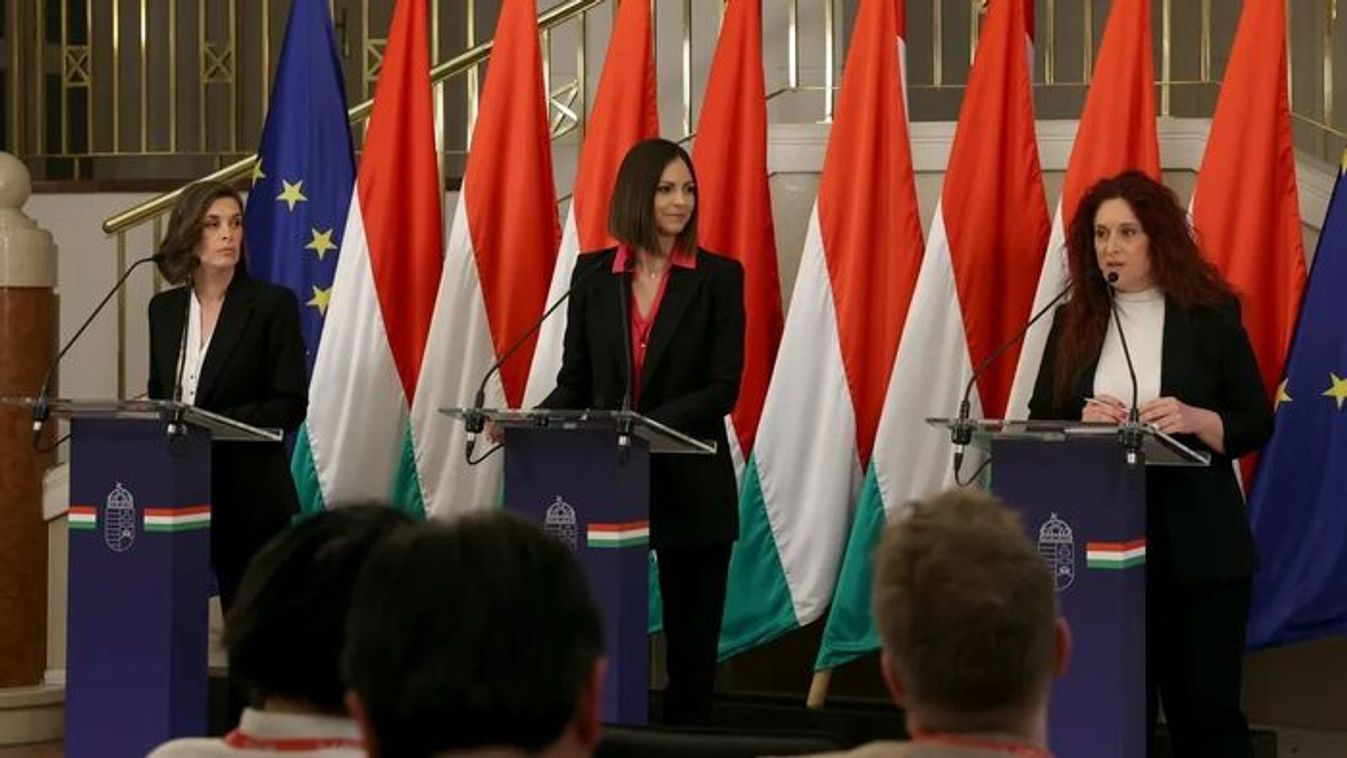
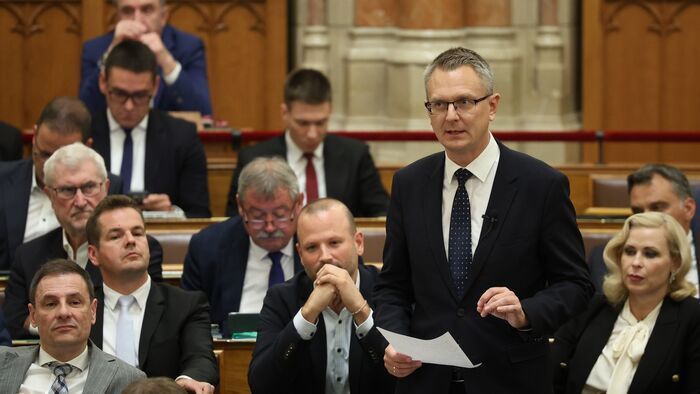
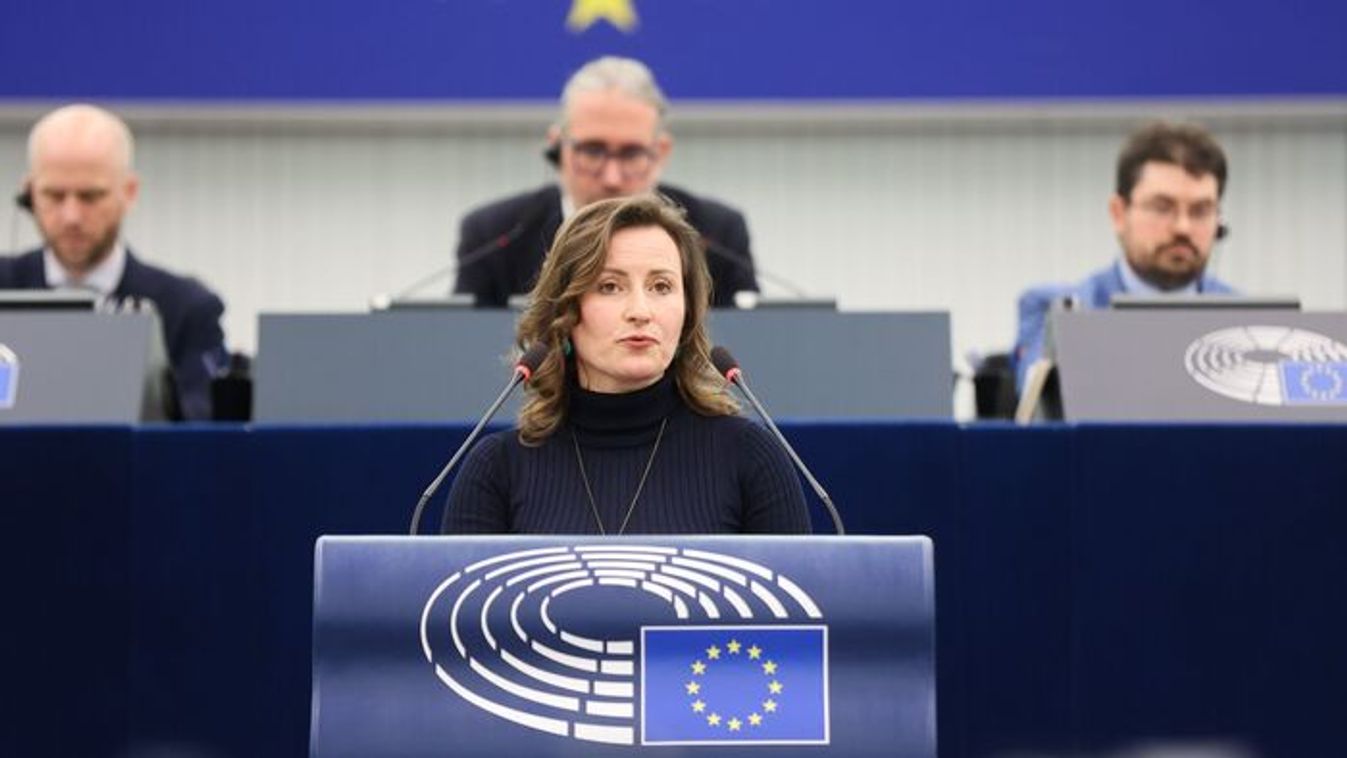
Viktoria Ferenc, Member of the European Parliament for Fidesz–KDNP (Photo: Mathieu Cugnot)
VéleményhírlevélJobban mondva - heti véleményhírlevél - ahol a hét kiemelt témáihoz fűzött személyes gondolatok összeérnek, részletek itt.

The situation of Hungarian communities abroad—wherever they may live—has never been easy, as deprivation of rights and separation from the mother country in themselves constitute profound trauma. However, the current circumstances of the Hungarian community in Transcarpathia may be more urgent than ever before. Viktoria Ferenc personally witnesses the challenges faced by Hungarians living in Ukraine, as she continues to visit her home region regularly.

Ferenc Viktória szerint a kárpátaljai magyarok, ahogy Ukrajna lakosságának is a nagy része, belefáradt a háborúba
According to Viktoria Ferenc, Hungarians in Transcarpathia, like much of Ukraine’s population, have grown weary of the war (Source: Facebook/Ferenc Viktoria)

As someone who was born near Uzhhorod (Ungvar), close to the tri-border region, you are in a unique position to talk about how the war and the associated forced conscription has affected the Hungarian community there.

This is indeed a unique situation, as I was born and raised near Uzhhorod in Transcarpathia , and I still return home frequently. With this personal background, I now represent the Hungarian community in Transcarpathia and the broader Hungarian nation in the European Parliament. For me, the war is not merely a political debate—it is about human lives and countless personal tragedies.

When I visit home, I see that the Hungarian community in Transcarpathia—like Ukraine’s entire population—is extraordinarily exhausted. The war has dragged on for far too long. Resources are not only being depleted at the front lines but immense psychological burdens are also accumulating on the home front.

Today, there is scarcely a family that has not suffered personal loss. Fathers, brothers, and sons are missing, while daily life is shaped by uncertainty, power outages, and energy shortages. It can be said that Hungarians in Transcarpathia are living through the most difficult period in their history. Predictability—whether of the next year, month, day, or even hour—has vanished.

Reports of abuses related to military conscription are particularly troubling. These reports have come not only from the Hungarian community in Transcarpathia but have also been documented in human rights reports by the Council of Europe. Ukraine’s own human rights commissioner has registered thousands of complaints regarding unlawful practices by recruitment offices.

We assist those who contact us by connecting them with the legal aid services of local Hungarian organizations and by bringing unacceptable cases to international attention. All unlawful mobilization practices must be opposed. At the same time, it is important to emphasize that Hungarians in Transcarpathia are loyal citizens of Ukraine and have fulfilled their obligations. Unfortunately, our community alone has lost nearly one hundred people in the fighting.

Two Hungarians have already fallen victim to these recruitment practices. Is concern—or even fear—growing?

The public became aware of two particularly shocking cases, which have come to symbolize everything that can go wrong in a prolonged war. Last summer, news spread of the death of Jozsef Sebestyen. According to reports, he suffered physical injuries during recruitment that later led to his death. Then, in January of this year, the tragedy of Zsolt Reban shook the community. Despite suffering from severe heart disease—and possessing official medical documentation declaring him unfit for service—he was taken for military training. He also lost his life.

These two cases have become symbols of a painful reality: in war, human dignity and individual lives are often subordinated to military considerations. We are speaking of two men who could still be alive today with their families.

A degree of mistrust had already existed among Hungarians in Transcarpathia due to serious violations of minority rights. I would also mention the so-called Mirotvorets list, which unlawfully publishes the personal data of individuals—including Hungarians in Transcarpathia—who are labeled enemies of the state. Events surrounding wartime mobilization have only deepened this mistrust. Today, people feel even more vulnerable. Even those with valid exemptions or deferments live in fear, concerned that they too may become victims of unlawful actions.

This is part of the harsh reality of war: when an abuse occurs, it is often too late by the time legal defenders or the international community can respond.

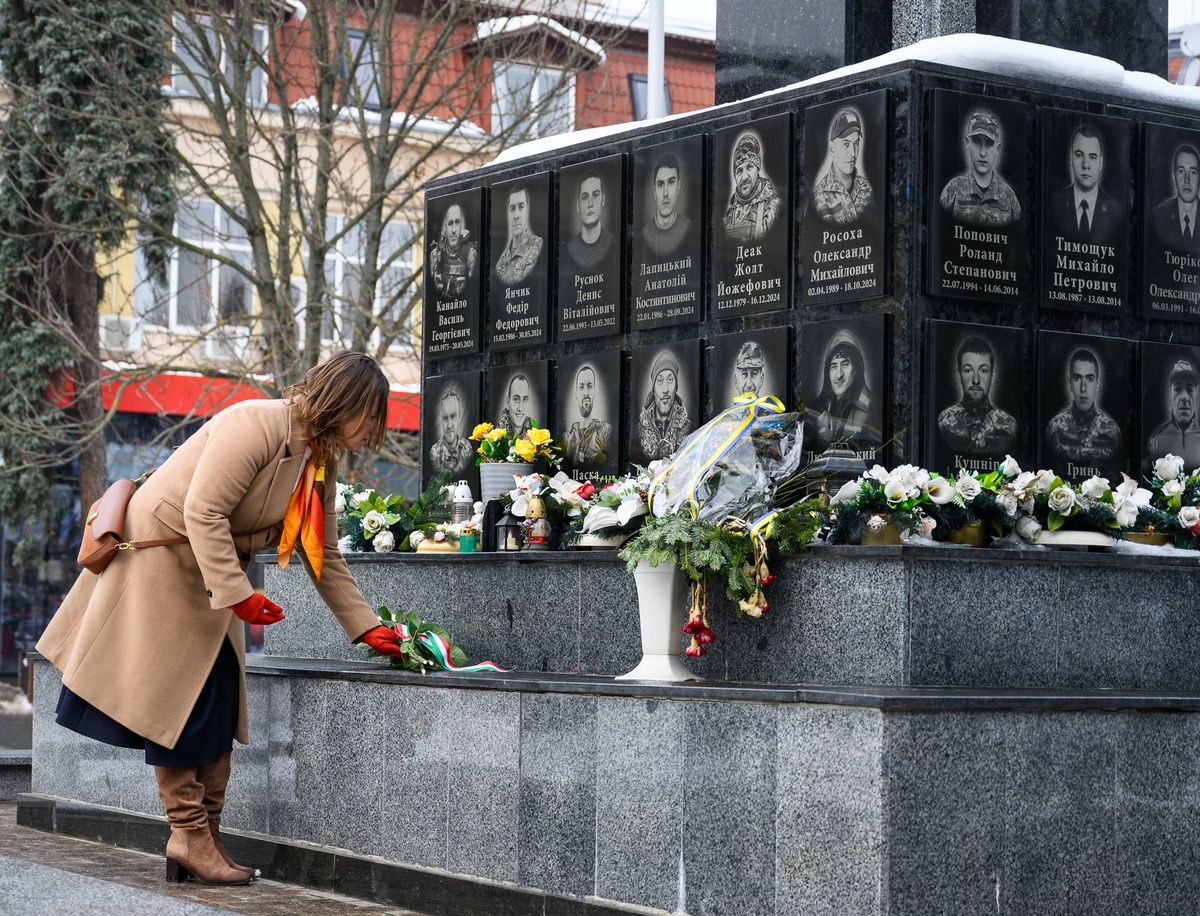
A képviselő szerint a háború egyik tragédiája, hogy az emberi sorsok háttérbe szorulnak a katonai szempontok mögött
According to the MEP, one of the tragedies of war is that human destinies and dignity are often subordinated to military considerations. (Source: Facebook/Viktoria Ferenc)

Nevertheless, we do not leave people to face these challenges alone. I personally follow many complaints and strive to provide a channel between those affected and the relevant authorities. We have contacted Ukraine’s human rights commissioner by letter and maintain continuous communication with the local legal aid service operated by the Transcarpathian Hungarian Cultural Association.

Our goal is to provide at least some sense of support and security for the Hungarian miority in Transcarpathia during this period of profound uncertainty.

There was significant controversy surrounding the case of four university students who were detained by recruitment officials. Have there been similar cases since, and has there been any resolution?

The issue of military manpower is arising with increasing frequency as the war continues. While financial and military assistance arrives from Europe and Western allies, Ukraine must supply the human resources, placing an extraordinary burden on society as a whole. In a prolonged war, this inevitably creates tension, and those living on the home front increasingly feel its effects.

The case of the university students from Berehove (Beregszasz) fits into this broader pattern. These were young men who had valid exemptions due to their university studies. Nevertheless, they were detained and prevented from leaving the recruitment center for an extended period. Their contact with the outside world was limited, and legal representation was not permitted. These circumstances caused serious concern within the community and reinforced fears about the erosion of legal securities.

The students were eventually released, and Ukrainian authorities later denied any wrongdoing. However, the case received significant international attention. This underscores how sensitive the issue has become. Many fear that ongoing tightening or reinterpretation of mobilization rules could eventually affect the entire population of military-aged men.

I believe that preserving legal certainty is essential, even during wartime. People must know that the law protects them and that exemptions cannot suddenly become meaningless. If society loses this trust, not only the present but also the postwar future will be in jeopardy.

How has the European Union responded to these aggressive actions? Do you see any change?

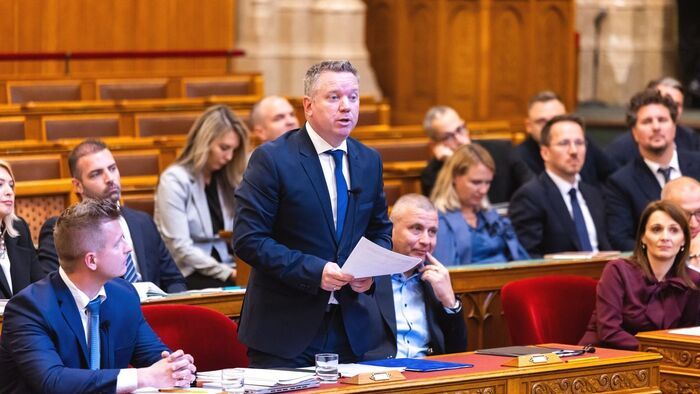
We have repeatedly made our concerns clear to the European Union—through plenary speeches and in a letter sent by the Fidesz–KDNP delegation to the European commissioner responsible for enlargement. We clearly stated that it is deeply troubling for a country seeking EU membership to employ violent recruitment practices affecting not only the Hungarian minority but Ukrainian society as a whole.

We had to wait more than two months for a response from the European Commission. This delay was particularly painful given that, during that time, our compatriot Zsolt Rebán lost his life. Many therefore concluded that the response came too late and that the Commission’s inaction had real life extinguishing consequences.

The substance of the Commission’s reply also raises serious questions. The commissioner indicated awareness of the problems and stated that they were being addressed in consultations with Ukraine’s human rights commissioner and authorities. He also emphasized that the EU accession process—particularly the fundamental rights chapter—could provide an appropriate framework for resolving these issues.

However, we believe the European Union has historically required candidate countries to address human rights deficiencies before accession negotiations advance. In Ukraine’s case, the logic appears reversed.

We are also concerned by the Commission’s approach of postponing solutions until after the relevant accession chapter is opened. Within the EU, minority protection is largely a national competence, meaning that the accession process is precisely the stage when EU institutions possess meaningful leverage. If progress is not achieved at this point, it will be far more difficult later.

We will therefore continue to raise awareness of these violations in every possible forum. It is essential that the rule of law and human rights standards apply equally to everyone in Ukraine. We expect the European Union and its member states to provide real answers and concrete action when such serious concerns are raised. Instead, the EU appears to prioritize geopolitical objectives over human and minority rights.

Today, the most important message is clear: the prolongation of the war is giving rise to ever more human tragedies. For the Hungarian community in Transcarpathia—and indeed for everyone living there—peace would be the only true solution. As Members of the European Parliament representing Fidesz–KDNP, together with Hungary’s national, patriotic government, we will continue to advocate for this position in every forum. We are convinced that this is the only way to bring an end to the destruction caused by war.

Cover photo: Viktoria Ferenc, Member of the European Parliament for Fidesz–KDNP (Photo: Mathieu Cugnot)

Komment

Összesen 0 komment

A kommentek nem szerkesztett tartalmak, tartalmuk a szerzőjük álláspontját tükrözi. Mielőtt hozzászólna, kérjük, olvassa el a kommentszabályzatot.


Jelenleg nincsenek kommentek.

Szóljon hozzá!

Jelenleg csak a hozzászólások egy kis részét látja. Hozzászóláshoz és a további kommentek megtekintéséhez lépjen be, vagy regisztráljon!

A téma legfrissebb hírei

Tovább az összes cikkhez chevron-right

Ne maradjon le a Magyar Nemzet legjobb írásairól, olvassa őket minden nap!

Google News
A legfrissebb hírekért kövess minket az Magyar Nemzet Google News oldalán is!

Címoldalról ajánljuk

Tovább az összes cikkhez chevron-right

Portfóliónk minőségi tartalmat jelent minden olvasó számára. Egyedülálló elérést, országos lefedettséget és változatos megjelenési lehetőséget biztosít. Folyamatosan keressük az új irányokat és fejlődési lehetőségeket. Ez jövőnk záloga.