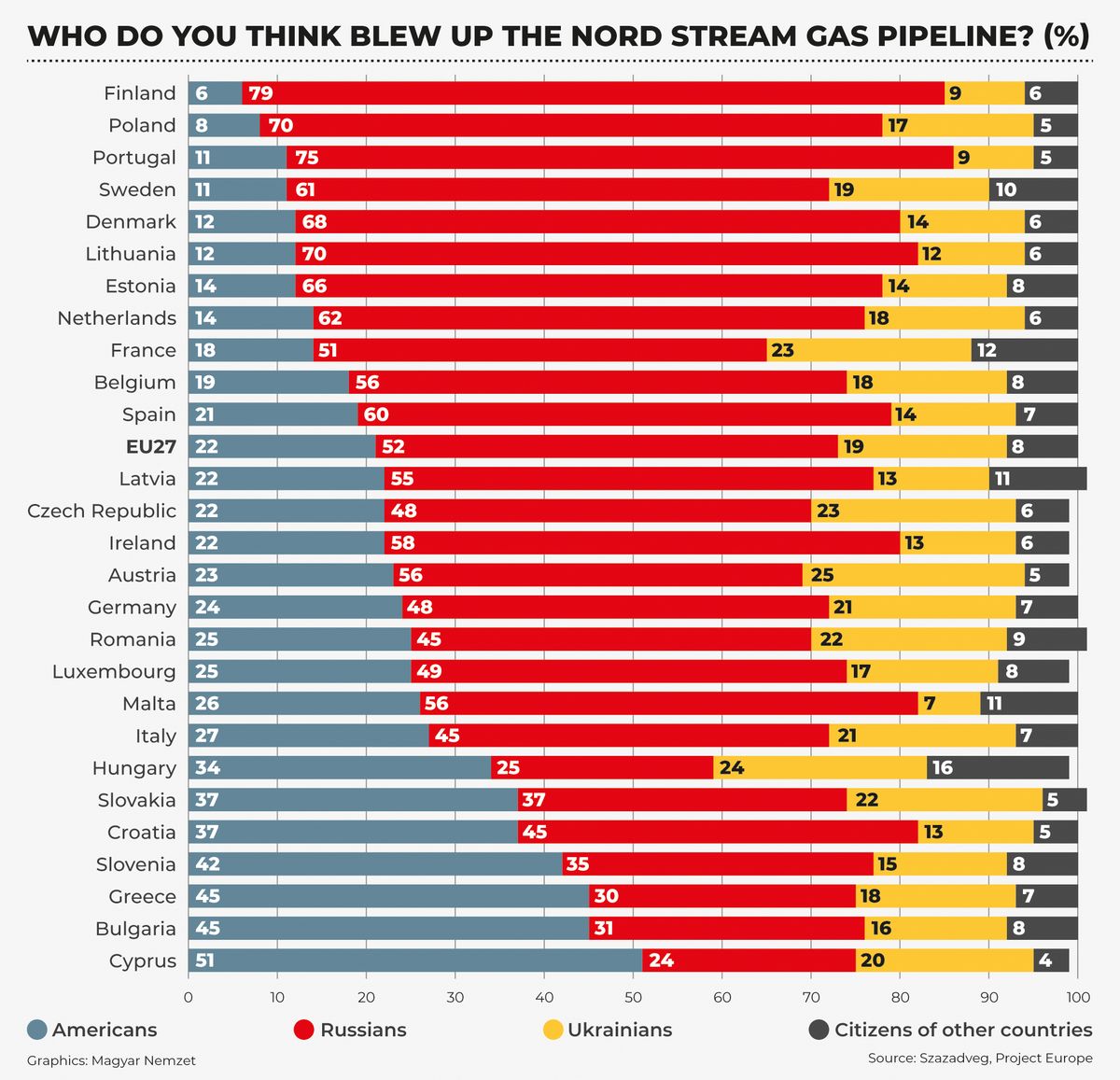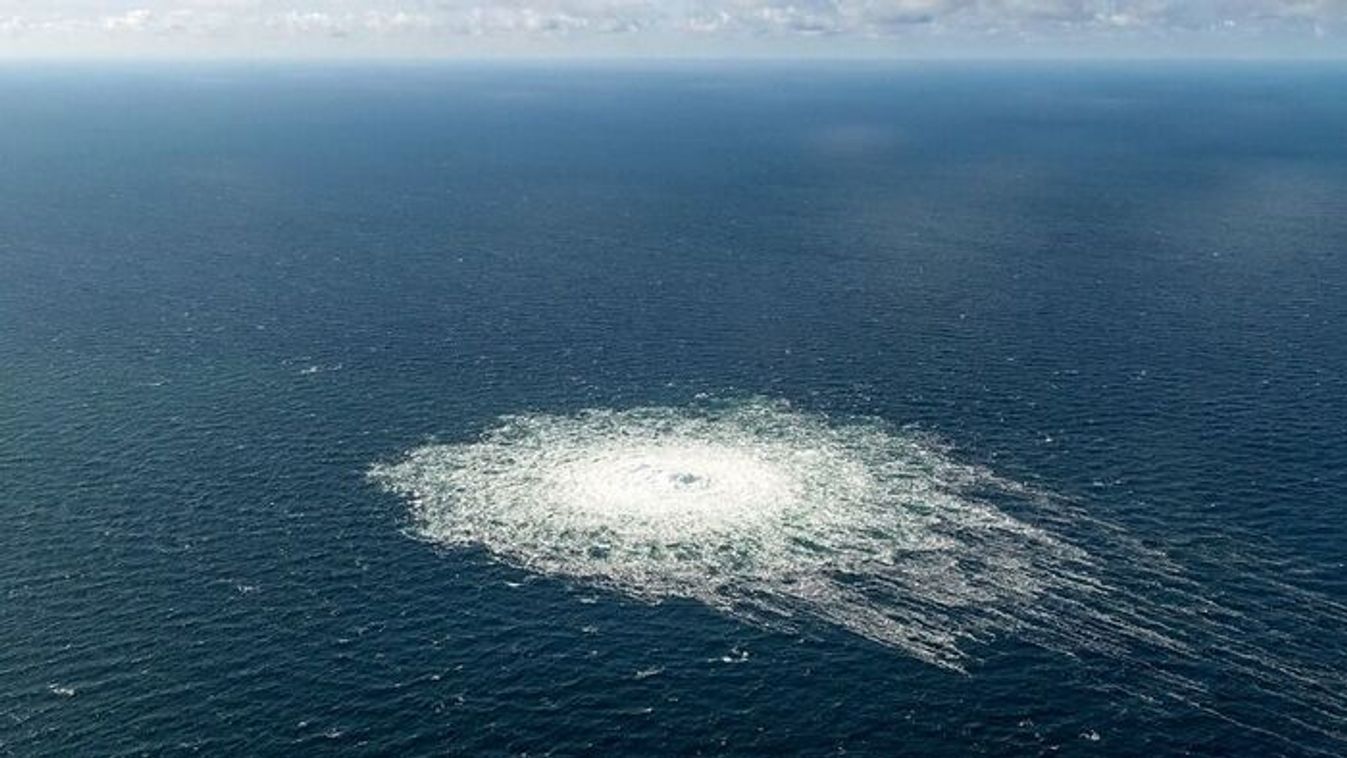
The debate has intensified again after Polish Prime Minister Donald Tusk stated that the problem was not the explosion, but the construction of the pipeline itself. A Polish court later released a suspect wanted by German authorities, and Tusk presented this as the closure of the case. The decision was criticized in several countries, including Hungary, and tensions further heightened after a subsequent statement by the Polish foreign minister,
Szazadveg pointed out in its analysis.
The explosion is not only a political burden for the EU, but also an economic one. The pipeline used to symbolize the link between cheap Russian energy and Western technology, but today it has become a symbol of the community's helplessness. Investigations in Germany are still ongoing, while Sweden and Denmark have closed theirs without results. Many attribute the slow pace of the German investigation to political considerations, as the disclosure of evidence could lead to diplomatic conflicts.
This uncertainty also has geopolitical consequences: it creates the impression that attacks against critical EU infrastructure can go unpunished, which may encourage future acts of sabotage.
With the exception of Finland, the majority of respondents in every member state consider the lack of clarity about the perpetrator unacceptable.