War Clouds Gather Over Europe as Brussels Escalates Military Preparations

The issue of conscription has once again moved to the forefront in Europe, while NATO Secretary General Mark Rutte has acknowledged that some European leaders are considering sending troops to Ukraine. In recent years, several countries across the continent have reinstated mandatory military service, and beginning in 2027, young people in Germany will be required to appear for compulsory fitness examinations. Speaking to Magyar Nemzet, constitutional lawyer Zoltan Lomnici Jr. explained that since the outbreak of the war, Western weapons have flowed into Ukraine by the millions, and Brussels’ preparations for war have entered a new phase.

2025. 12. 24. 12:43
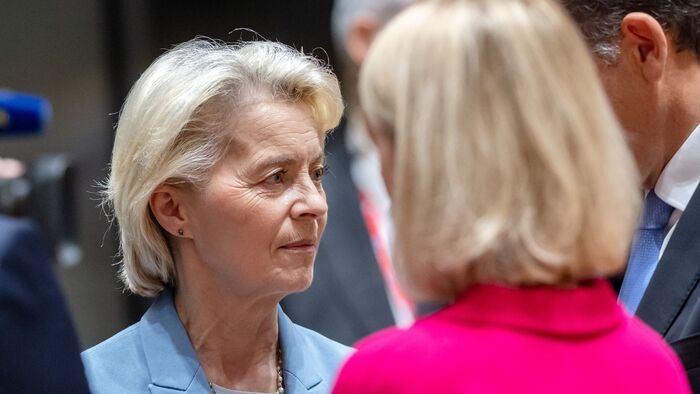
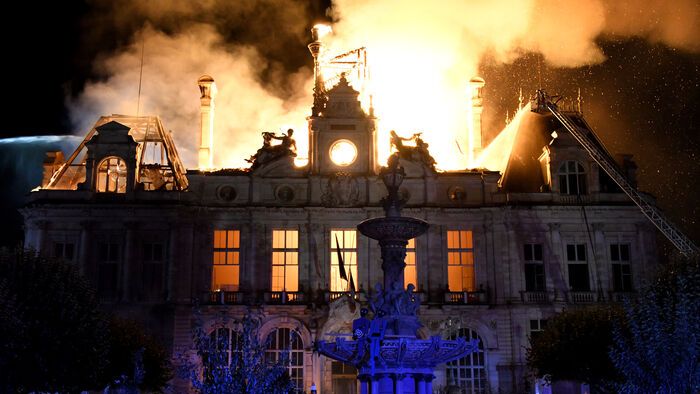
Could EU member states be drawn into war because of Ukraine? (Photo: AFP)
VéleményhírlevélJobban mondva - heti véleményhírlevél - ahol a hét kiemelt témáihoz fűzött személyes gondolatok összeérnek, részletek itt.

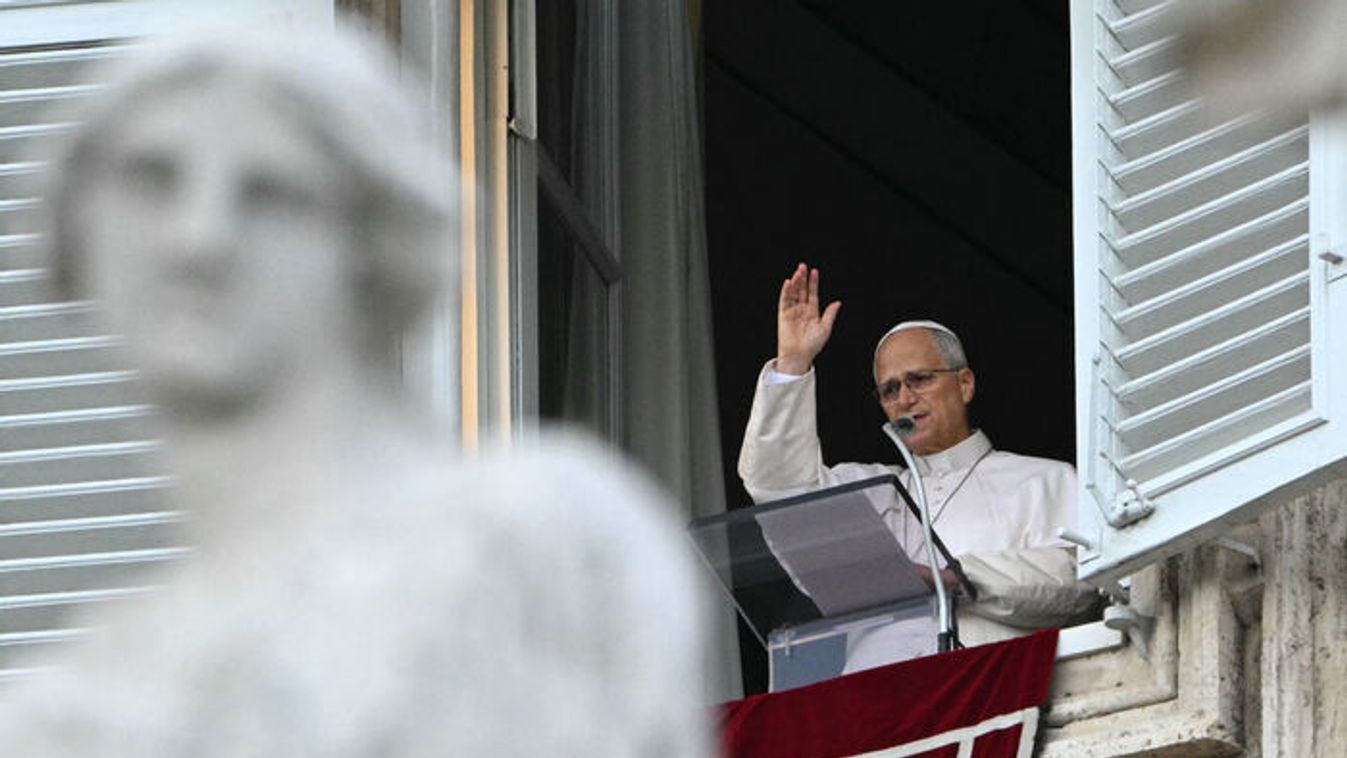
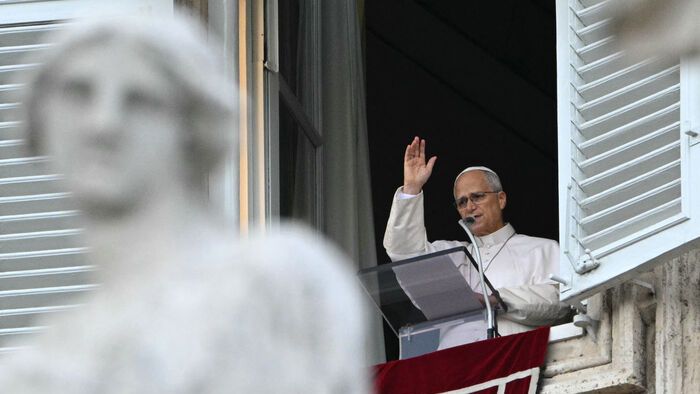
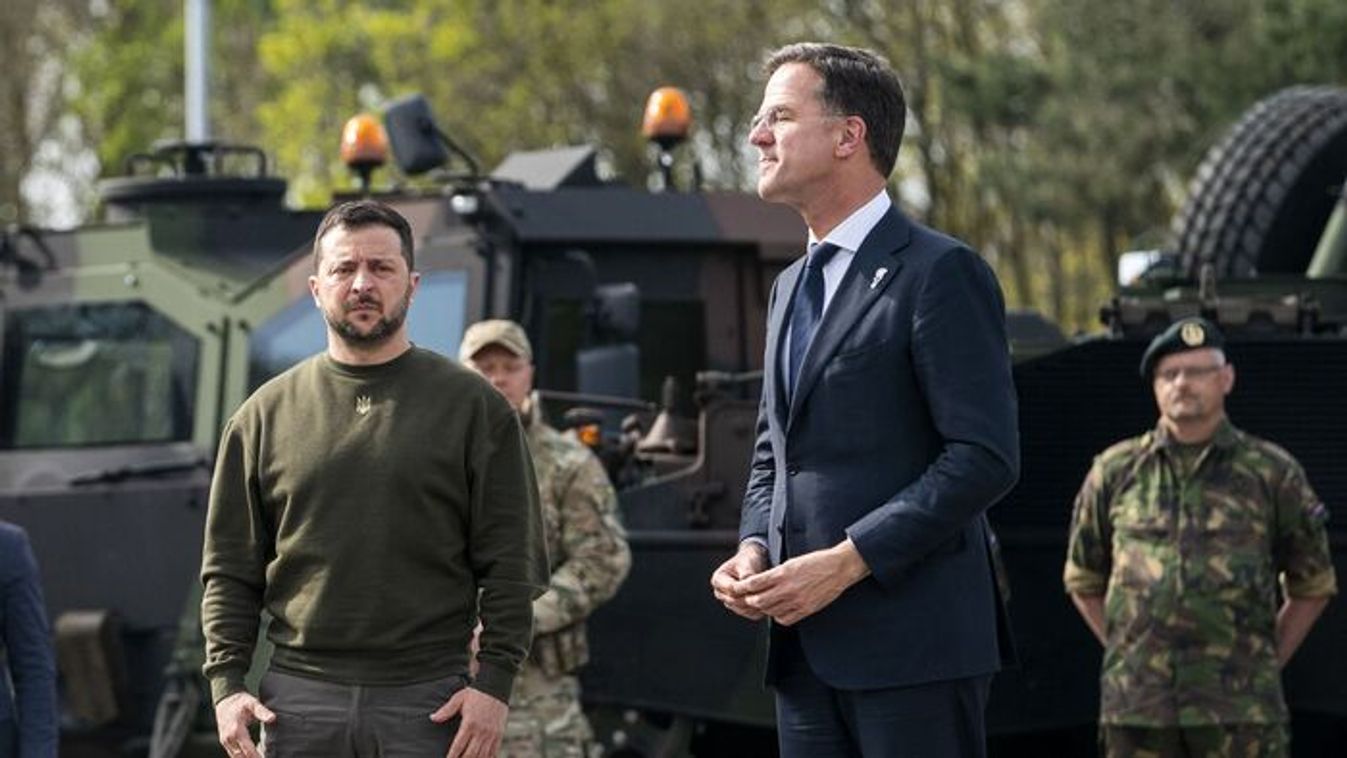
As previously reported, Mark Rutte admitted that a number of European leaders are prepared to deploy troops to Ukraine , with details still being worked out regarding what a land, naval, or air mission might look like. The NATO chief also expressed confidence that young people would be ready to take up arms. In response to Rutte’s remarks, we asked constitutional law expert Zoltan Lomnici Jr. for his assessment.

Lomnici Zoltán reagált Mark Rutte háborús kijelentésére
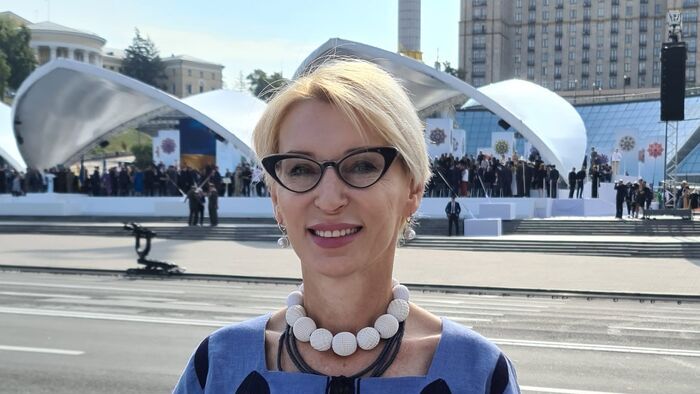
Constitutional lawyer Zoltan Lomnici Jr. responds to Mark Rutte’s war rhetoric
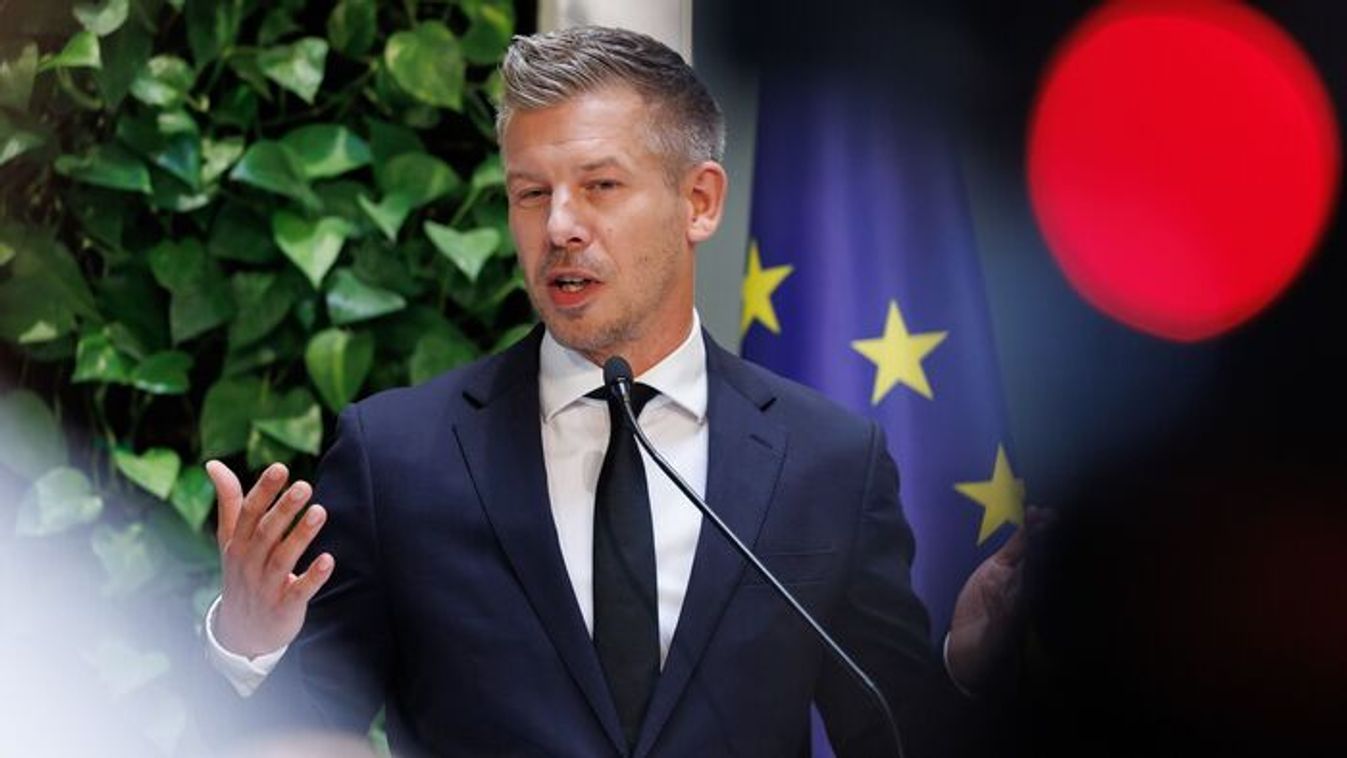
(Photo: Zsolt Szigetvary / MTI)

Lomnici emphasized that while NATO has not yet sent combat units to Ukraine, there are concrete programs and mechanisms in place to coordinate support for Kyiv. These include the Prioritized Ukraine Requirements List (PURL), a NATO-coordinated inventory of weapons, ammunition, and other military equipment requested by Ukraine and jointly financed by member states, as well as NATO Security Assistance and Training for Ukraine (NSATU), a training and coordination program.

According to estimates, since the outbreak of the war, Western combat weapons have arrived in Ukraine in the millions, alongside ammunition stocks numbering in the tens of millions. Thousands of tanks, armored vehicles, artillery systems, rocket launchers, aircraft, air defense systems, and combat drones have also been delivered,

the expert detailed.

Lomnici added that Rutte’s statements are now being welcomed less by American interests and far more by the European arms lobby. France, Germany, and Italy form the backbone of Europe’s arms industry, with companies such as Thales, Dassault, Rheinmetall, Leonardo, and Airbus, while the United Kingdom (BAE Systems) and Sweden (Saab) remain key players. Relying on these countries and corporations, the EU aims to expand its own defense capacities by 2030 and reduce its dependence on the United States.

Moreover, the idea that Ukraine’s accession to the EU could eventually lead to young Europeans being called up for military service is not far-fetched. Over the past decade, the concept of conscription has made a comeback across the continent, 

Lomnici explained. Lithuania reinstated the draft in 2015, Sweden in 2017, and Latvia in 2024. Norway and Denmark expanded conscription to include women, and in October 2025 the Croatian parliament approved mandatory service beginning in 2026. This brings the number of EU member states with active conscription to nine—Austria, Cyprus, Denmark, Estonia, Finland, Greece, Latvia, Lithuania, and Sweden—with Croatia joining in 2026.

In Germany, starting in 2027, all 18-year-old men will be required to report for fitness assessments. If volunteer numbers prove insufficient, the law allows for so-called “needs-based” conscription, including call-ups determined by lottery. In Italy, the defense minister is pushing for the introduction of voluntary military service, citing preparation for “hybrid warfare.” In Poland, tens of thousands of young people are already being summoned for medical examinations, many of them volunteers, though the system’s logic points toward laying the groundwork for compulsory mobilization.

Given the significant deterioration of Europe’s security environment—caused, according to the German government, by Russia’s attack on Ukraine in violation of international law—the Bundeswehr will focus even more consistently on national and alliance defense. This central mission will determine its structure, states the explanatory memorandum of the German government’s pro-war draft law on modernizing military service (WDModG).

The 104-page proposal, currently the subject of heated debate among Germany’s governing parties, sets out three objectives:

  1. to obtain a more accurate picture of the number of conscription-eligible individuals in relevant age groups;
  2. to recruit significantly more volunteers into the armed forces and, in connection with this, increase the number of reservists through a new form of military service;
  3. to grant the federal government the authority, with parliamentary approval, to introduce basic compulsory military service by decree even outside a declared state of tension or defense.

Lomnici also noted that

Hungary’s Fundamental Law states in Article XXXI(1) that every Hungarian citizen is obliged to defend the homeland, while paragraph (2) establishes that Hungary maintains a voluntary defense reserve system. Under paragraph (3), only in the event of a state of war are adult male Hungarian citizens with permanent residence in Hungary subject to conscription.

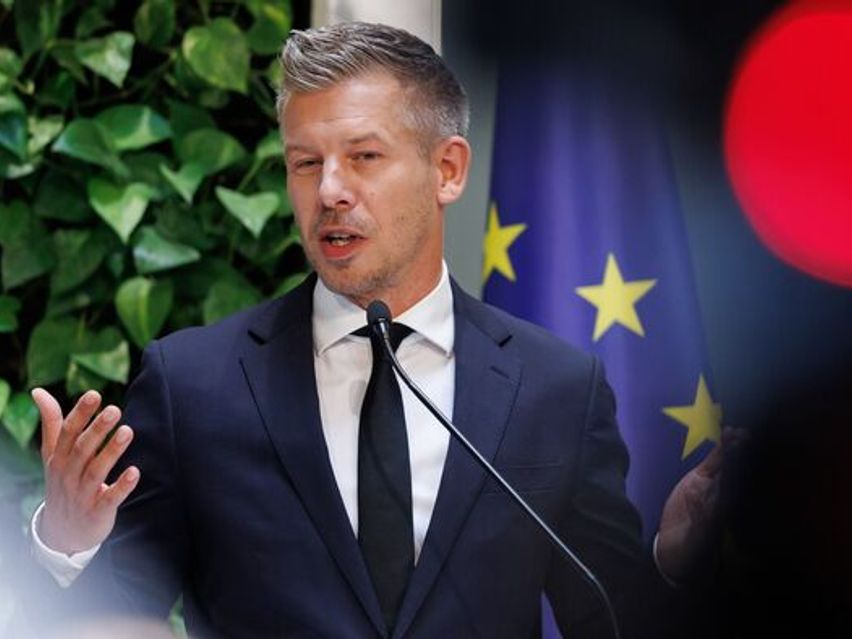
He then pointed out that Hungary's Tisza Party has repeatedly supported pro-war resolutions in the European Parliament calling for additional arms deliveries to Ukraine. Party chief Peter Magyar himself appeared as a sponsor of a proposal seeking to allocate 0.25 percent of member states’ GDP to military purposes. All of this suggests that the party is following the line of the European People’s Party led by Manfred Weber, which advocates stronger military cooperation and greater centralization of defense policy.

This political stance," Lomnici stressed, "is not far removed from recent comments by former Chief of the General Staff Romulusz Ruszin-Szendi, who argued that 'if trouble comes, everyone has to be pulled in immediately,' underscoring the push to increase military readiness.

Taken together, in Lomnici's view, the pro-war decisions of the party’s Brussels allies and Ruszin-Szendi’s militarist rhetoric suggest that a Tisza-led government in Hungary might attempt to reshape military obligations, potentially even reintroducing a modernized form of conscription.

Hungarians Say No to Conscription

According to a November analysis by the Szazadveg Foundation, as Brussels’ preparations for war have escalated to a new level, the Tisza Party has raised the possibility of reinstating conscription. The research shows strong public resistance: 80 percent of Hungarians reject the measure, Lomnici pointed out.


Cover image: Could EU member states be drawn into war because of Ukraine? (Photo: AFP)

Komment

Összesen 0 komment

A kommentek nem szerkesztett tartalmak, tartalmuk a szerzőjük álláspontját tükrözi. Mielőtt hozzászólna, kérjük, olvassa el a kommentszabályzatot.


Jelenleg nincsenek kommentek.

Szóljon hozzá!

Jelenleg csak a hozzászólások egy kis részét látja. Hozzászóláshoz és a további kommentek megtekintéséhez lépjen be, vagy regisztráljon!

A téma legfrissebb hírei

Tovább az összes cikkhez chevron-right

Ne maradjon le a Magyar Nemzet legjobb írásairól, olvassa őket minden nap!

Google News
A legfrissebb hírekért kövess minket az Magyar Nemzet Google News oldalán is!

Címoldalról ajánljuk

Tovább az összes cikkhez chevron-right

Portfóliónk minőségi tartalmat jelent minden olvasó számára. Egyedülálló elérést, országos lefedettséget és változatos megjelenési lehetőséget biztosít. Folyamatosan keressük az új irányokat és fejlődési lehetőségeket. Ez jövőnk záloga.