Magyar’s Globalist Team Ready to Implement Brussels’ Full Agenda

The Tisza Party is filled with tried-and-tested globalists. Peter Magyar’s advisers would, without exception, carry out Brussels’ demands against Hungary. That would mean cutting Hungary off from cheap Russian oil—effectively ending utility price caps—abolishing special taxes on multinational corporations, and shifting the burden onto Hungarian families. They would also introduce conscription and give ground to the LGBTQ lobby.

2026. 01. 21. 15:08
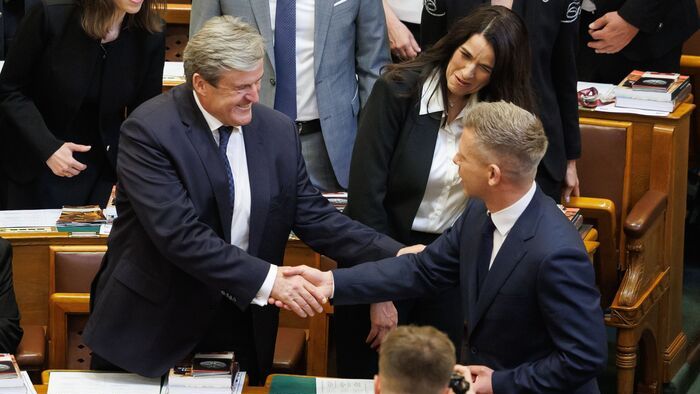
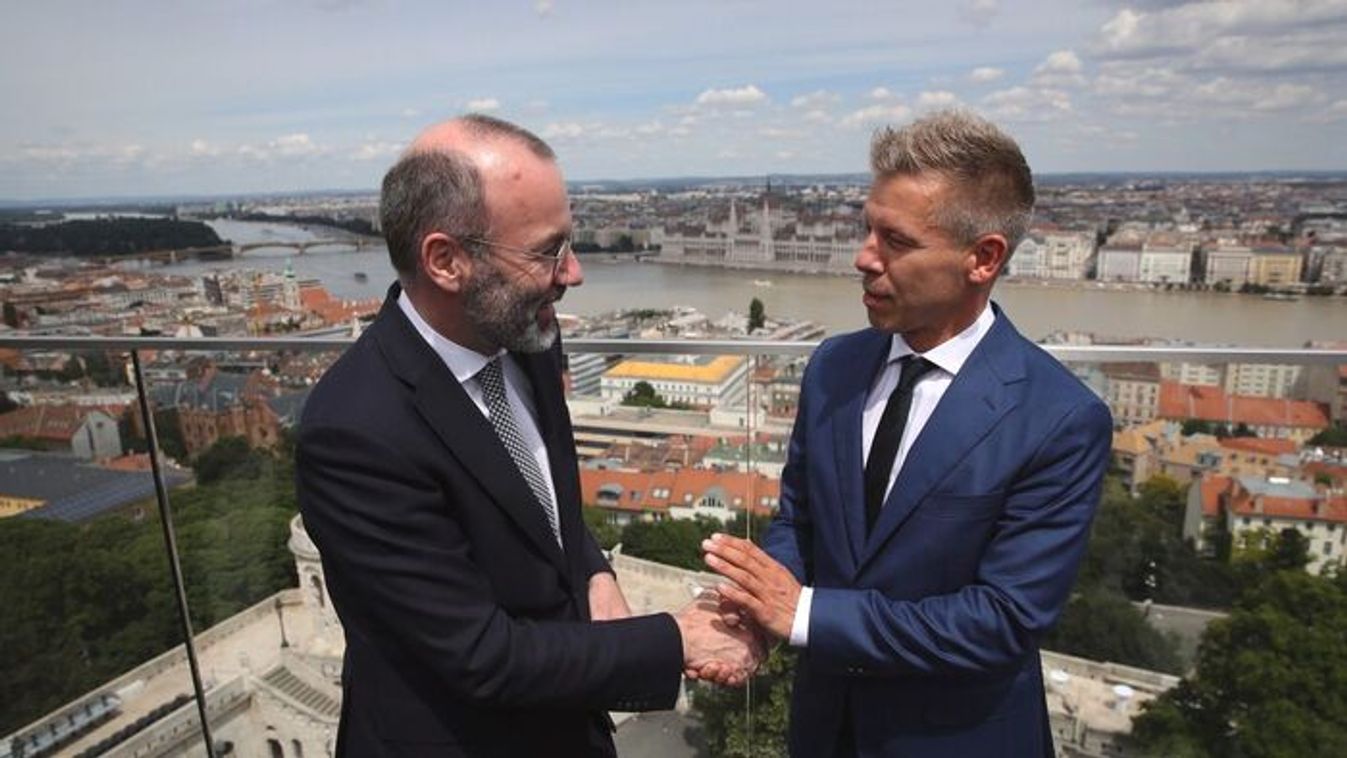
Manfred Weber, president of the European People’s Party, and Peter Magyar, president of the Tisza Party (Photo: Miklos Teknos)
VéleményhírlevélJobban mondva - heti véleményhírlevél - ahol a hét kiemelt témáihoz fűzött személyes gondolatok összeérnek, részletek itt.

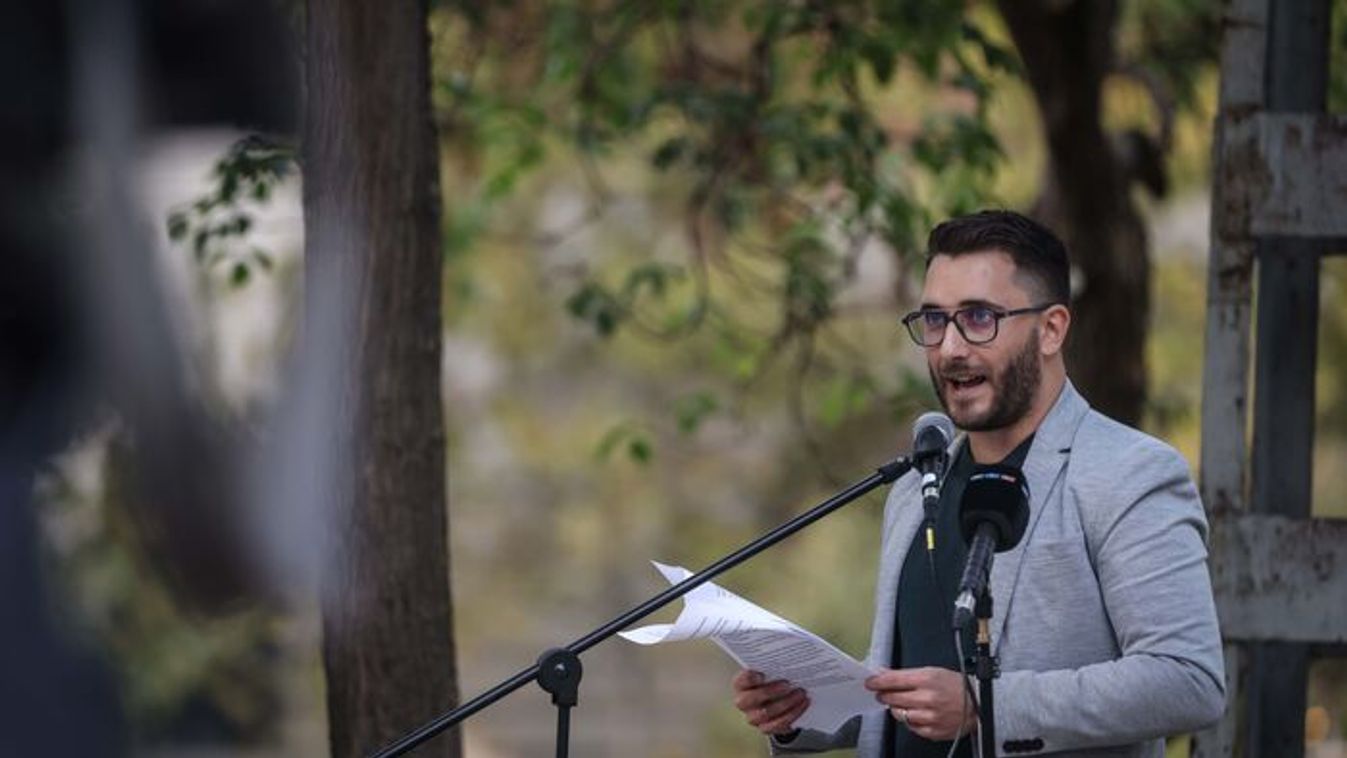
One after another, figures with globalist backgrounds are emerging around Péter Magyar—people who would unquestioningly serve Brussels’ demands against Hungary. Among them is Istvan Kapitany, whom Magyar introduced last week as Tisza’s energy and economic development expert. It did not take long to learn how Kapitany envisions Hungary’s energy future.

magyar péter, kapitány istván, tisza párt
The Tisza Party's new expert would effectively abolish utility cost reductions (Photo: YouTube)

Magyar’s Expert Would Cut Ties to Cheap Russian Oil

On Monday evening, Magyar’s ally appeared on ATV’s program Egyenes Beszed (straight talk), where he spoke at length about why Hungary should cut itself off from Russian crude oil.

We have to find a practical solution to this,

Kapitany said, adding that by 2027—when the Russian contracts expire—the technical conditions for diversified supply must be put in place. He did not explain what those conditions would be, nor how much they would cost.

Brussels Has Long Targeted Utility Price Reductions

By advocating a break from Russian oil, István Kapitány would be doing Brussels a major favor. The European Union has demanded this step from Hungary for years. According to the government, such a decision would sharply raise household energy costs, making it impossible to maintain the lowest utility prices in the EU. Brussels attacked Hungary’s utility price caps again in last year’s country report, explicitly calling for their abolition.

The European Commission argues that eliminating subsidies would align Hungary with EU commitments and encourage energy efficiency. It also criticizes Hungary for continuing to purchase cheaper Russian energy—meaning, in Brussels’ view, that the government refuses to make ordinary citizens pay the price of prolonging the war.

Tisza Party Would Favor Multinationals

Istvan Kapitany is not the only figure in the Tisza Party who would treat Brussels’ instructions as orders. Another key figure is Andras Karman, who briefly served as a state secretary after 2010 before leaving over policy disagreements. The final straw for Karman was Hungary’s decision to send the IMF packing.

Over the past decade since, Karman has become a senior official at a foreign bank—where, critics say, he found his true calling.

It is hardly surprising that the Brussels-aligned Tisza Party chose Karman as a new expert. In his very first speech, he emphasized steps toward adopting the euro. Since then, he has consistently echoed Brussels talking points. In a Bloomberg article published in December, Karman criticized Hungary’s special taxes on banks, retailders, pharmaceuticals, energy, and telecommunications, arguing that Tisza’s goal is to gradually reduce the role of these taxes in the budget. Notably, Brussels’ own country report labels sector-specific taxes on foreign multinationals as discriminatory and explicitly demands that Hungary abolish them.

Tisza Would Make Ordinary Hungarians Pay the Price

Karman’s plans are closely tied to 

Peter Magyar’s proposals to raise personal income taxes. If taxes on multinationals and banks were reduced, the shortfall would have to be made up by squeezing ordinary taxpayers.

This, too, mirrors Brussels’ demands. The EU has urged Hungary to pursue tax reform, and in its 2025 country report, the European Commission argued that Hungary’s personal income tax system is overly flat. The report also recommends tax hikes as part of any reform.

According to Tisza’s tax plans, this would include:

  • raising personal income taxes,
  • abolishing family tax allowances,
  • imposing steep tax hikes on businesses and withdrawing SME support,
  • eliminating utility price reductions,
  • abolishing the 13th and 14th month pensions,
  • phasing out the state pension system and introducing pension taxes,
  • dismantling free public health care,
  • introducing wealth and property taxes.

The LGBTQ Lobby Would Gain Ground

Two years ago, European Commission President Ursula von der Leyen herself admitted that EU funds owed to Hungary were being withheld because of domestic resistance to LMBTQ propagavda. The Tisza Party, however, would yield to the LGBTQ lobby. Gender activist Kriszta Bodis is now active in the party’s ranks.


Magyar Péter, Bódis Kriszta, Lmbtq ,ellenpont
Peter Magyar and Kriszta Bodis
(Photo: Facebook)

One of Peter Magyar’s loudest supporters is a leading figure in Hungary’s LGBTQ movement, credited as the author of films and books promoting homosexuality. As noted by Ellenpont, Bodis proudly stated in a September 2021 profile that her film Rural Romance effectively created the LGBTQ lobby for political advocacy purposes.

...There would never have been an LGBTQ lobby without this film. And by LGBTQ and lobby, I mean advocating for interest in the political sphere. That is why I am incredibly proud of this film,

she said. The activist, closely tied to left-wing politics, received a high-level state award under the Bajnai government, while her foundation has received substantial funding and support from the Soros network.

“Slava Ukraini!”

EU leadership has been gripped by war fever for years. Brussels is now prepared to meet Ukraine’s $800 billion demand without protest—seeking to pass the cost on to member states. Nearly four years into the war, proposals to send European troops to Ukraine have surfaced repeatedly. Several EU countries have already decided to reintroduce compulsory military service as part of war preparations.

Within the Tisza Party, former chief of staff Romulusz Ruszin-Szendi is the loudest supporter of these war plans. He has previously boasted of questionable Ukrainian military ties and openly backed the reintroduction of conscription in Hungary, saying that 

if there is trouble, everyone will be dragged in.

It is worth recalling that as chief of staff, Ruszin-Szendi engaged in double talk on the Russia–Ukraine war: in reports, he echoed the Hungarian government’s anti-war position, but at NATO meetings he promoted a pro-Ukraine stance—at times even 

ending his remarks with “Slava Ukraini!” (“Glory to Ukraine!”).

Cover photo: Manfred Weber, president of the European People’s Party, and Peter Magyar, president of the Tisza Party (Photo: Miklos Teknos)


Komment

Összesen 0 komment

A kommentek nem szerkesztett tartalmak, tartalmuk a szerzőjük álláspontját tükrözi. Mielőtt hozzászólna, kérjük, olvassa el a kommentszabályzatot.


Jelenleg nincsenek kommentek.

Szóljon hozzá!

Jelenleg csak a hozzászólások egy kis részét látja. Hozzászóláshoz és a további kommentek megtekintéséhez lépjen be, vagy regisztráljon!

A téma legfrissebb hírei

Tovább az összes cikkhez chevron-right

Ne maradjon le a Magyar Nemzet legjobb írásairól, olvassa őket minden nap!

Google News
A legfrissebb hírekért kövess minket az Magyar Nemzet Google News oldalán is!

Címoldalról ajánljuk

Tovább az összes cikkhez chevron-right

Portfóliónk minőségi tartalmat jelent minden olvasó számára. Egyedülálló elérést, országos lefedettséget és változatos megjelenési lehetőséget biztosít. Folyamatosan keressük az új irányokat és fejlődési lehetőségeket. Ez jövőnk záloga.