War Hype Could Become a Self-Fulfilling Prophecy – Europe Has Taken a Dangerous Path

Mark Rutte’s recent, widely discussed statement—that Europe must prepare for a major war akin to those experienced by our grandfathers and great-grandfathers—has sparked intense professional and political debate. The warning raises strategic, military, and political questions: is there a real threat, or is it primarily a message aimed at strengthening Western deterrence? We spoke with Peter Siklosi, senior researcher at the Hungarian Institute of International Affairs (HIIA), about the realities and implications behind the statement.

2026. 01. 02. 13:07
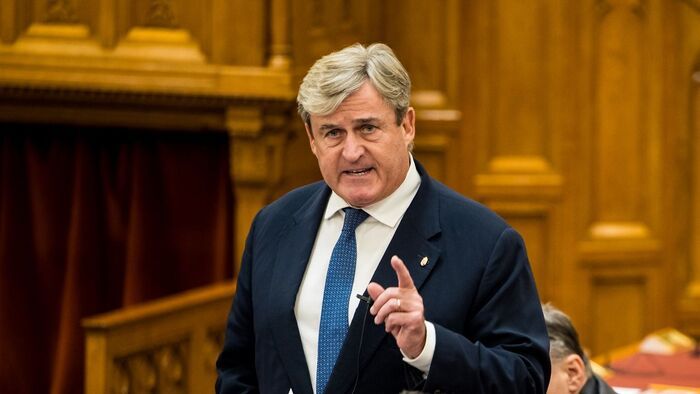
War Hype Could Become a Self-Fulfilling Prophecy – Europe Has Taken a Dangerous Path (Photo: AFP)
War hype could become a self-fulfilling prophecy – Europe has taken a dangerous path (Photo: AFP)
VéleményhírlevélJobban mondva - heti véleményhírlevél - ahol a hét kiemelt témáihoz fűzött személyes gondolatok összeérnek, részletek itt.

In an interview with Magyar Nemzet, Peter Siklosi assessed Mark Rutte's comments on the Russian military threat, Europe’s defense readiness, and the risks arising from war-toned statements made by political leaders.

Mark Rutte háborús kijelentésére egész Európa felkapta a fejét
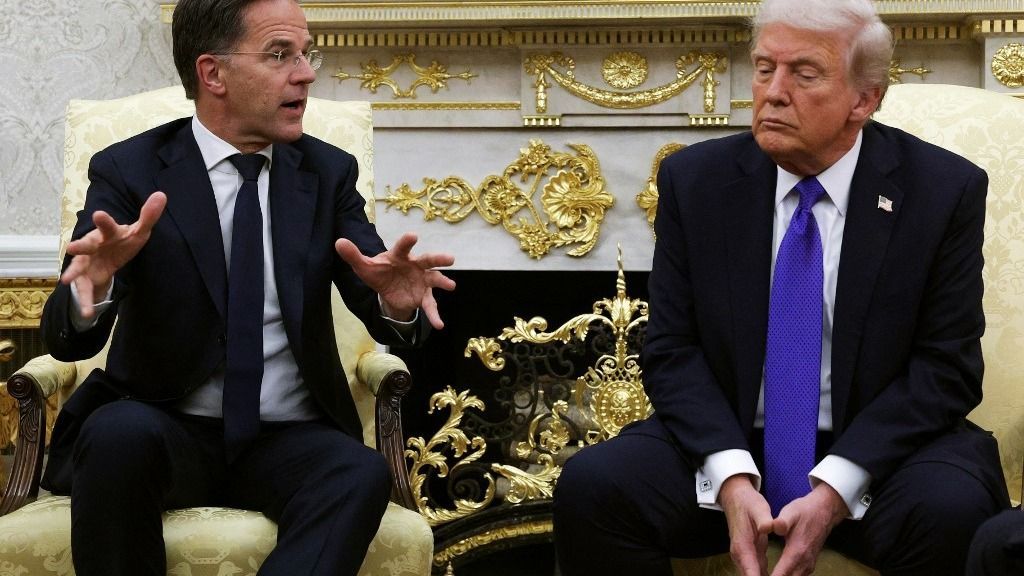
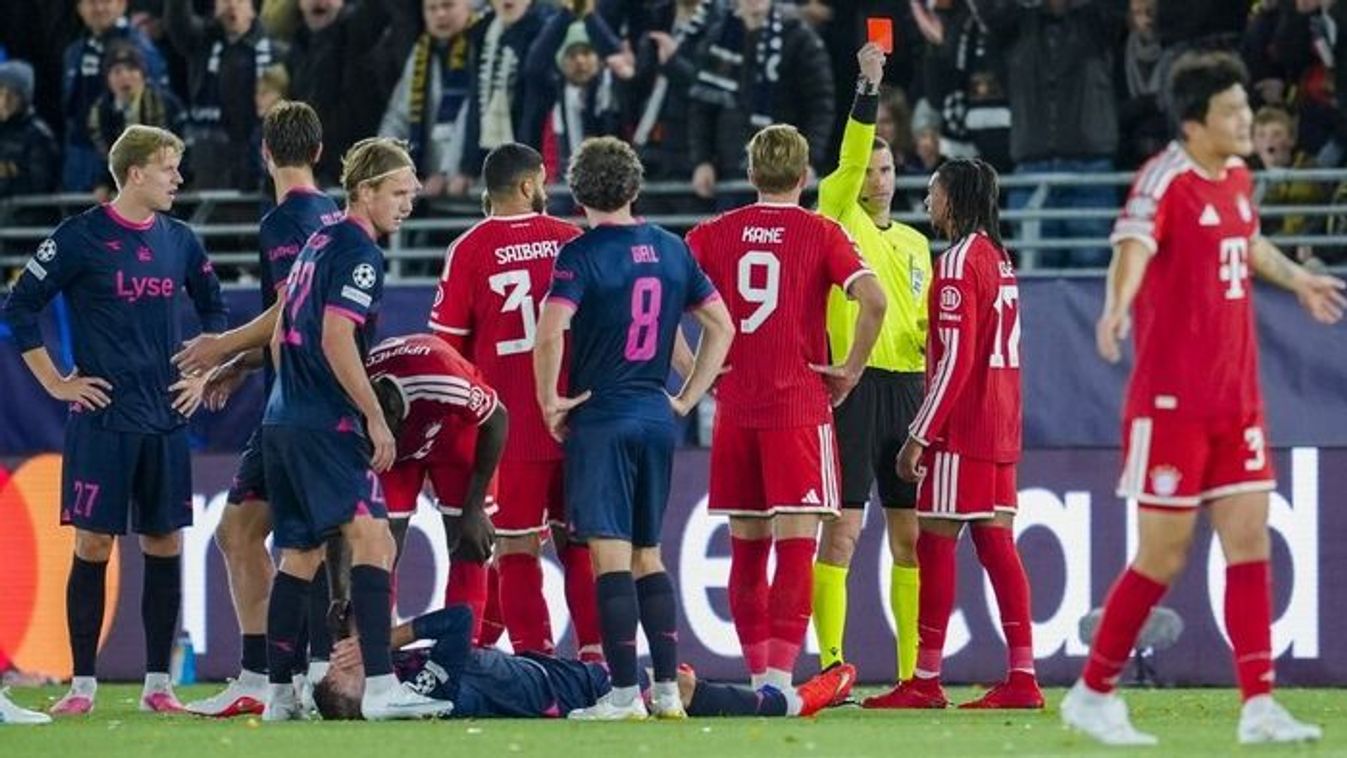
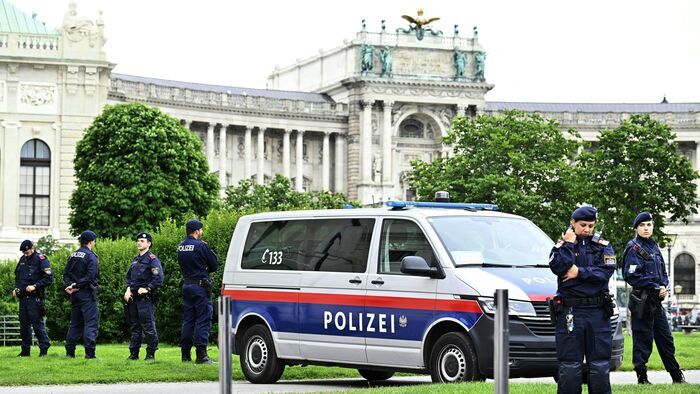
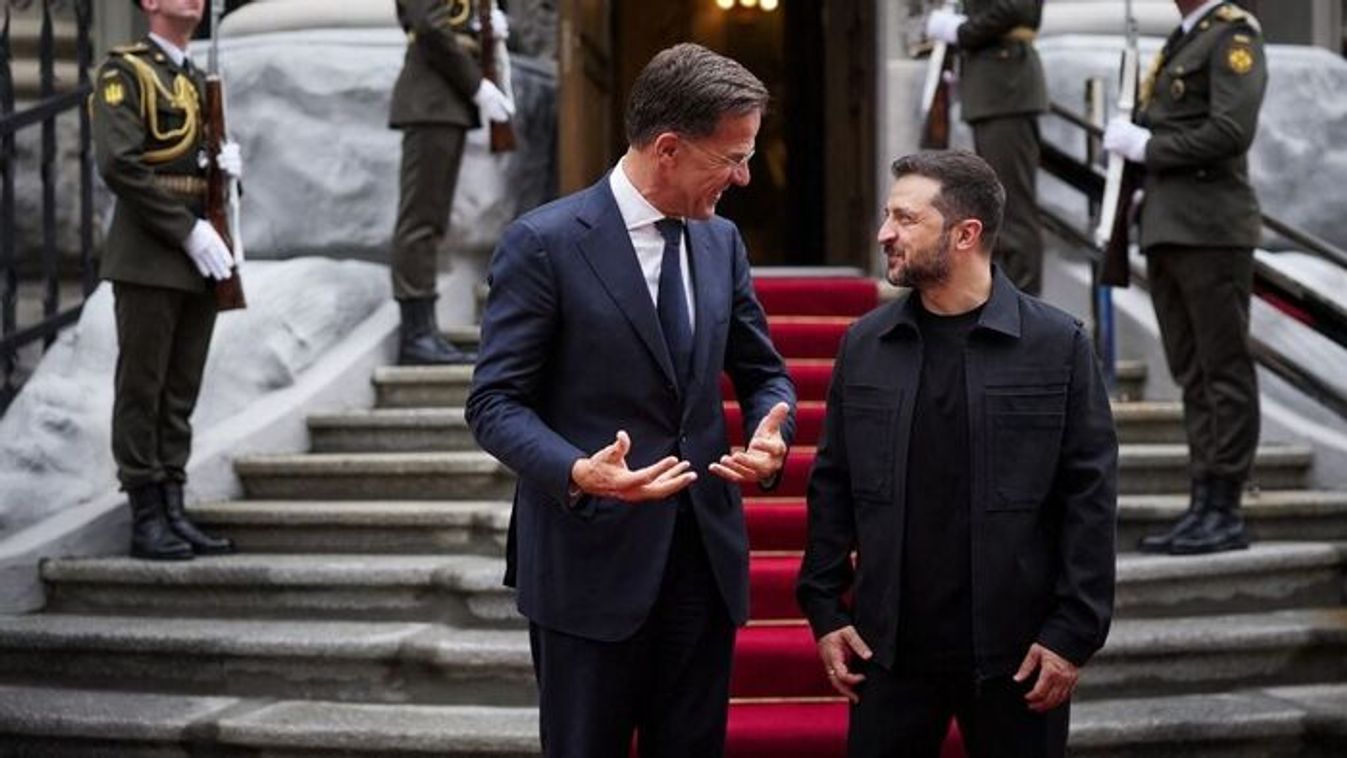
Mark Rutte’s war warning grabbed all of Europe’s attention. Photo: AFP

Mr. Siklosi judged NATO Secretary-General’s intent as twofold: first, to draw attention to a potential threat, and second, to ensure that NATO’s commitment of 3.5% plus 1.5%—a total of 5% of GDP—agreed at last July’s summit, is not just a promise. He added that Rutte’s goal is for European allies to take this seriously and translate it into concrete military capabilities: buying weapons, developing the defense industry. Rutte underlined this by emphasizing that Russia represents a real threat.

According to the expert, Europe must both honor what allies in The Hague have agreed to and take into account that fact that all this must be paid for... which is a question of economic capacit. 

He stressed that it matters whether the 3.5% target is reached over ten years or sooner. Some want to move faster, but the resources may not be available.

He highlighted that Mr. Rutte and other European leaders often present this as if there was a sharp, and immediate Russian threat, which raises concerns.

Mr. Siklosi pointed out that Russia has not been able to defeat Ukraine, a country of roughly 30 million people, whereas NATO counts 850 million people overall and its economic power far exceeds Russia’s.

Consequently, Moscow would not face an easy task against NATO, and the Russians are fully aware of this, making an attempt unlikely,

– he said. He added that current military technology clearly favors defenders over attackers, which helps explain how Ukraine has been able to resist Russia with comparatively limited resources. In his view, the situation is far from as dire as some portray it.

Responding to a question on Europe’s current defense readiness and critical gaps, Mr. Siklosi said that Europe’s capabilities are far from sufficient. He emphasized the importance of distinguishing between Europe as a whole and the European Union; it is more accurate to think in terms of NATO’s European component. He noted that

the U.S. clearly provides far more of these capabilities than its proportionate share. 
The expert stressed that this has long been an issue, and the 3.5+1.5% pledge agreed in The Hague aims precisely to correct it—so that Europe contributes more to its own defense. He added that this is a multi-year task, not something accomplished overnight. Still, he believes it is the right direction for Europe to develop more defense capabilities than it has since the end of the Cold War. Mr. Siklosi emphasized that improvements are necessary, adding however that two problems must be managed: 

the first is to develop defense capabilities without collapsing the European economy under the burden of all related expenses, and the second is to avoid the spreading of a war psychosis that could easily become a self-fulfilling prophecy,

so that war eventually happens because evereyone is bracing themselves for it. 

We need to find a middle ground. We must see the real challenges or threats and recognize that increased spending is necessary, but we must also avoid slipping into a war psychosis,

– the expert said. 

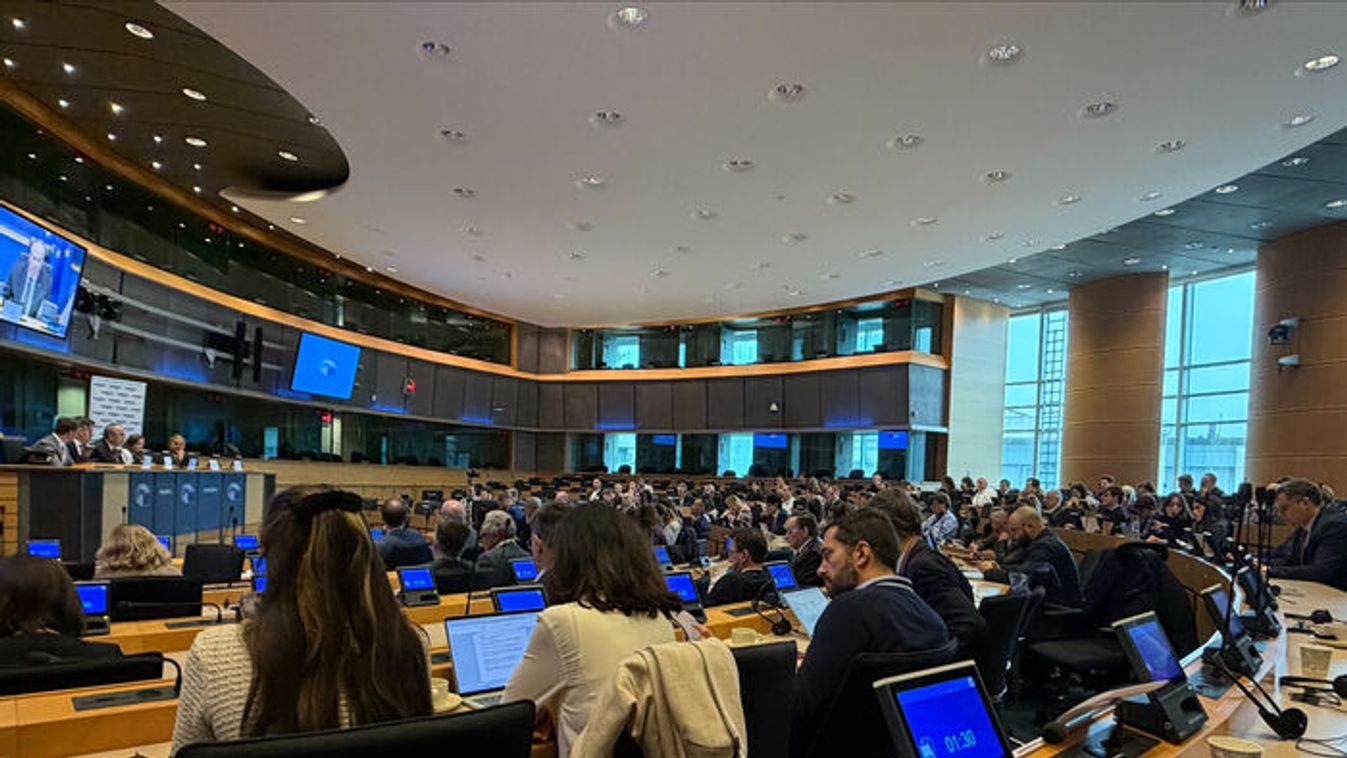
Európa háborúra készül
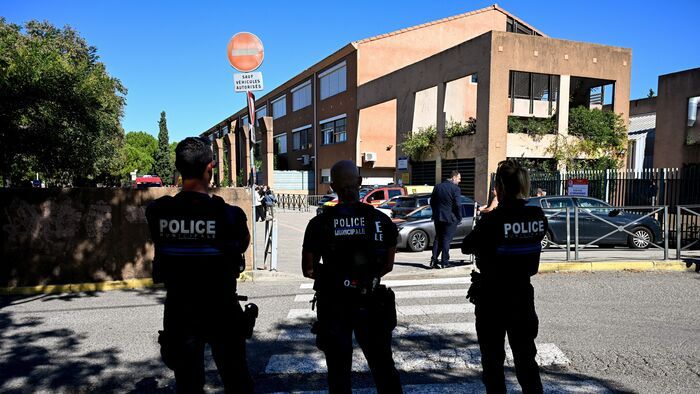
It is important that a war psychosis does not take hold in Europe. Photo: AFP

Pro-war Statements

Asked whether declarations about war are meant to prepare the population or instead risk escalating tensions, Mr. Siklosi explained that many such statements come from different actors, each driven by very different motivations. He cited, as examples, statements from the Baltic states and Poland, along with a few other countries geographically closer to Russia, whose historical conflicts with Russia make them far more distrustful. At the same time, there are countries whose main motivation is to stimulate their defense industries and sell military products.


Some countries are far less concerned about the Russian threat but are eager to sell their defense products. This typically includes France, but also any nation with a strong arms industry — Germany, Italy, the UK, and Sweden — for whom arms sales represent a major source of revenue.

– HIIA's senior researcher stated.

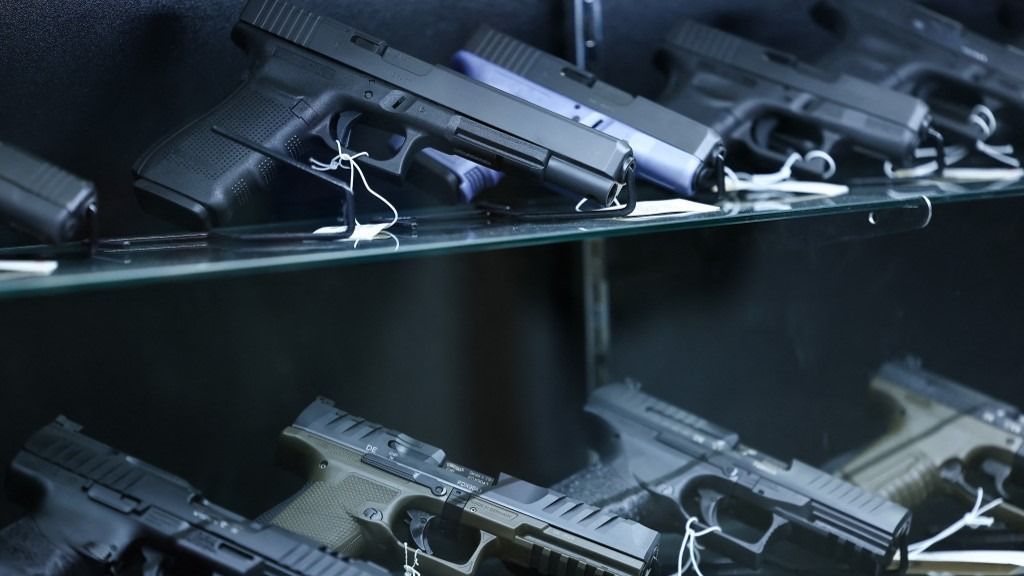
Glock and Walther Arms semi-automatic pistols are displayed for sale in a gun store in Rio Rico, Santa Cruz County, Arizona on September 17, 2025. Arizona allows individuals legally eligible to own guns to carry them without a permit, background checks apply to dealer sales but not most private transactions. (Photo by CHARLY TRIBALLEAU / AFP)
European funds are being used to buy U.S. weapons, which are then delivered to Ukraine. Photo: AFP

Asked whether Ukraine and NATO could have a defense partnership independent of Ukrainian NATO membership, Mr. Siklosi emphasized that Ukraine is unlikely to join NATO in the foreseeable future. He added that other forms of cooperation already exist: NATO operates a mechanism called PURL, which coordinates the purchase of American weapons with European funds and their delivery to Ukraine. For example, several Patriot air-defense missiles have recently been procured for Ukraine through this mechanism.

He explained that while such cooperation exists, it is hard to imagine NATO troops being deployed in Ukraine under the NATO flag.

That could be the next step, a new level, but it seems unlikely. Although the idea has been raised, NATO’s strongest power, the United States, is clearly opposed, he added.

The expert pointed out that many other countries also oppose this. Since NATO is a consensus-based organization, all members must agree on joint decisions—and that consensus is not present. He noted that, for instance, 

Hungary would not support such a move, making it unlikely to happen.

On Europe-U.S. relations, he explained that since NATO is a transatlantic alliance, any problems between Europe and the U.S. will naturally have an impact on NATO as well. 

Nem a NATO, hanem az európai szereplők miatt lehet feszültség: ők gátolják Trump békekísérletét
Tensions may come from Europe, not NATO, as it's the European actors that are blocking Trump’s peace efforts. Photo: AFP

He added:

Fundamentally, the Americans do not have—or are unlikely to have—problems with NATO, but rather with Europe, which is clearly doing everything it can to prevent Trump-style peace mediation efforts from succeeding.

He noted Europe’s motivations are varied, but a main reason is that as long as the war in Ukraine continues, Russia is tied down there, giving Europe more time to prepare militarily. The U.S., meanwhile, sees the conflict as standing in the way of reintegrating Russia into the Western economic system, keeping it further from its major challenger, China.

If the U.S. succeeds in securing a peace agreement soon, which I think has a good chance, then - after the signing - European countries will have little choice but to fall in line,

– Mr. Siklosi declared. The expert concluded that Europeans cannot restart the war without having a seriously clash with the United States, a country they will rely on for their defense for a long time to come.


Cover photo: NATO General Secretary Mark Rutte (Photo: AFP)

Komment

Összesen 0 komment

A kommentek nem szerkesztett tartalmak, tartalmuk a szerzőjük álláspontját tükrözi. Mielőtt hozzászólna, kérjük, olvassa el a kommentszabályzatot.


Jelenleg nincsenek kommentek.

Szóljon hozzá!

Jelenleg csak a hozzászólások egy kis részét látja. Hozzászóláshoz és a további kommentek megtekintéséhez lépjen be, vagy regisztráljon!

A téma legfrissebb hírei

Tovább az összes cikkhez chevron-right

Ne maradjon le a Magyar Nemzet legjobb írásairól, olvassa őket minden nap!

Google News
A legfrissebb hírekért kövess minket az Magyar Nemzet Google News oldalán is!

Címoldalról ajánljuk

Tovább az összes cikkhez chevron-right

Portfóliónk minőségi tartalmat jelent minden olvasó számára. Egyedülálló elérést, országos lefedettséget és változatos megjelenési lehetőséget biztosít. Folyamatosan keressük az új irányokat és fejlődési lehetőségeket. Ez jövőnk záloga.