The Russia-Ukraine conflict has entered its fifth year. Prime Minister Viktor Orban has said Hungary “will not yield to blackmail” and that diplomatic relations between Hungary and Ukraine have reached a low point. How much worse could relations become, especially with less than 50 days until the elections?
Miklos Szantho: The Numbers Don’t Lie—Election Campaign Unfolds in the Shadow of Brussels and Kyiv
 Itt állíthatja be, hogy a Google keresőben elsők között legyen a Magyar Nemzet
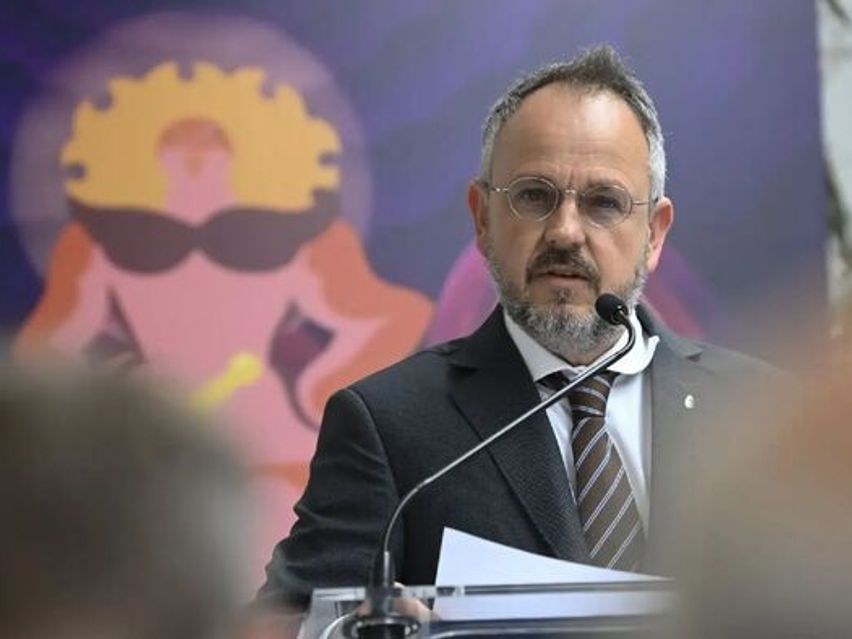
Accusations of lying, electoral math, wartime pressure, and political maneuvering in Brussels—at a Szazadveg conference, Magyar Nemzet spoke with Miklos Szantho, Director General of the Center for Fundamental Rights, about what is truly at stake in the campaign, why the Tisza Party’s numbers do not add up, and why the success of the national petition is now a key issue.
2026. 02. 27. 16:25

The situation has indeed reached a historic low, but it is important to clearly explain why. The deterioration in Hungarian-Ukrainian political and diplomatic relations is not the fault of the Ukrainian people but of Kyiv and what I would describe as President Volodymyr Zelensky’s wartime mafia. In the fourth year of the war, we see not de-escalation but institutionalization. Pro-war forces have gathered in Kyiv and decided to continue the war, while Hungary’s energy security and economic interests are clearly being pushed aside. Peter Magyar made an agreement in Munich and is being supported in Hungary’s elections because this could allow Hungary to be used in the war effort. Viktor Orbán’s position has been consistent: Hungary will not yield to pressure and will not sacrifice its national interests for a fundamentally flawed geopolitical vision centered on the total defeat of Russia. It must also be remembered that Hungary has carried out one of the largest humanitarian efforts in its history to help Ukraine. Hungary has played—and continues to play—a critical role in maintaining energy supplies. A significant portion of Ukraine’s electricity and gas imports continues to arrive through Hungarian infrastructure. Against this backdrop, it is particularly striking that Ukraine, “in gratitude,” has shut down the Druzhba oil pipeline. This has further deepened the crisis. The Ukrainian leadership has the opportunity to ease tensions. One concrete first step would be the immediate restoration of oil deliveries, followed by restoring the previous rights of the Hungarian community in Transcarpathia.
How do you assess the fact that the war in Ukraine has overshadowed all other campaign issues?
It overshadows everything because many of today’s key economic and political issues are directly tied to the war. The left’s tax-increase proposals to finance Ukraine, the possible reintroduction of conscription, and the push to abandon affordable Russian oil are not isolated matters—they are direct consequences of wartime policy. Brussels and Kyiv have formed a political axis on these issues, and it is clear they intend to interfere in Hungary’s elections. The Tisza Party and the left-wing political machinery behind it serve as instruments in this effort. The financial disputes with Brussels, the various legal proceedings, and the ongoing political pressure all point in the same direction: removing the right from positions of decision-making power and replacing it with a pro-Ukraine, pro-war political force. The goal is clear—to draw Hungary into the political and economic structure of the war, give the green light to Ukraine’s EU accession, and dismantle the sovereigntist position represented by patriots. At the European level, the war hysteria also serves a political function. Brussels uses the war as a kind of purifying fire to obscure or push aside social and economic problems, many of which it helped create. As long as the wartime atmosphere persists, there is less discussion about competitiveness, migration, or the excesses of gender ideology. That is why the war overshadows everything—it is not a side issue of foreign policy, but the central political dividing line of our time.
Can the Hungarian government support the 20th sanctions package when the prime minister has previously concluded that the sanctions do not work?
Hungary has consistently taken a clear, realist position on sanctions. Viktor Orban has repeatedly said that sanctions have failed to achieve their intended effect while causing serious economic damage to Europe, including Hungary. When the possibility of a veto arose, Brussels immediately began exploring ways to bypass Hungary. We saw this in the case of phasing out Russian oil and gas, which was ultimately adopted as a trade policy measure rather than a sanctions package, precisely because that did not require unanimity. Overall, Hungary’s position is a pragmatic one: it means prioritizing Hungary’s interests—not Kyiv’s and not Brussels’. Anyone who seeks to turn Hungary into a servant of imperial interests at Germany’s command—especially by pushing it eastward, given the tragedies of the 20th century—is committing a grave sin against Hungary.
Has the deterioration in Hungarian-Ukrainian relations increased the importance of the ongoing national petition? Have you filled it out?
Absolutely. I have not only filled it out but returned it as well—not out of courtesy, but out of conviction. In recent years, Kyiv and Brussels have done everything possible to push Hungary onto the war axis. In such circumstances, every tool that provides direct political authorization to a government becomes more valuable. Previous national consultations and initiatives such as Voks 2025 have served this purpose: providing clear, quantifiable legitimacy behind Hungary’s position. In 21st-century European politics, legitimacy is hard currency. At EU meetings, where many leaders have relatively weak domestic mandates, it carries special weight when someone can point to concrete public support. Prime Minister Viktor Orban negotiates from that position. However, this is not a one-time effort. It requires constant work to keep Hungary out of the war, maintain household utility cost protections, and ensure that Hungarians’ money is not spent on foreign war objectives. How can Hungary act most effectively? By ensuring the national petition achieves overwhelming success. That provides the political backing needed in international disputes.
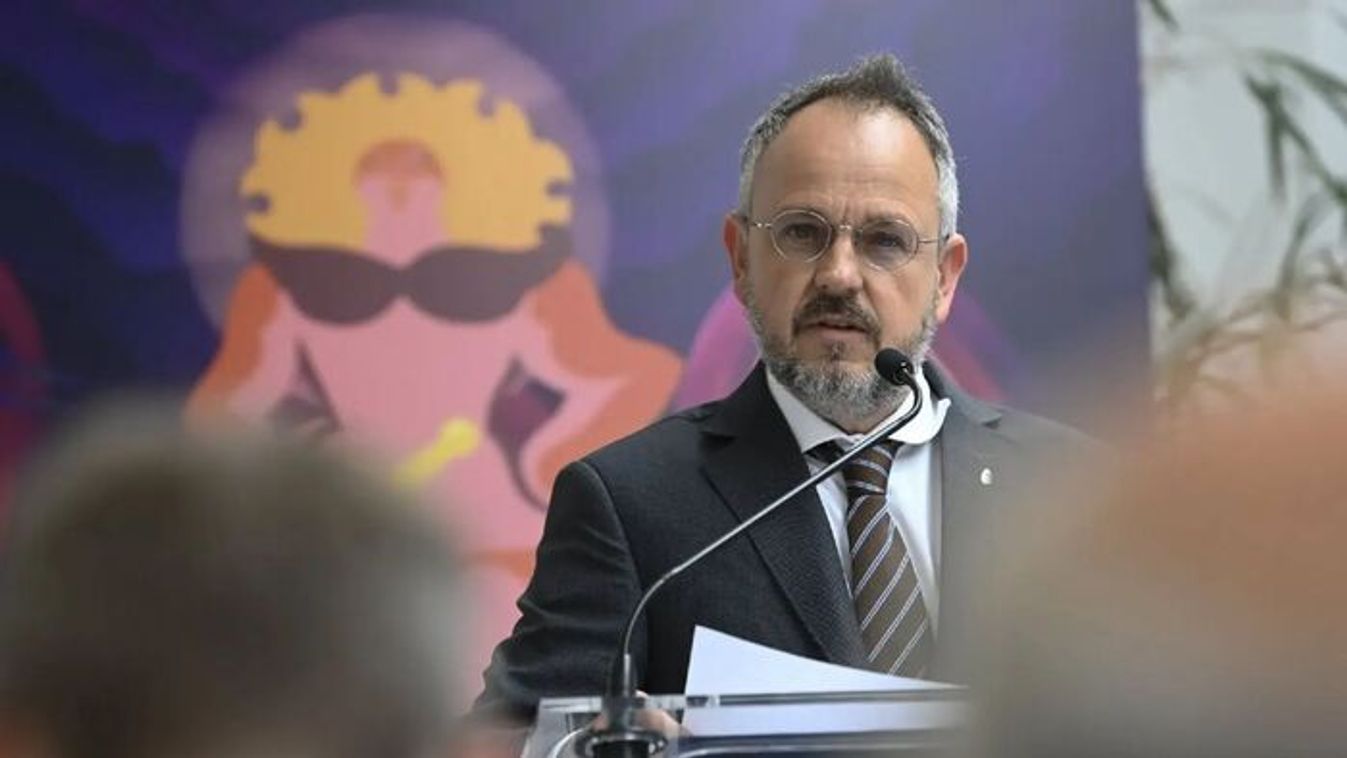
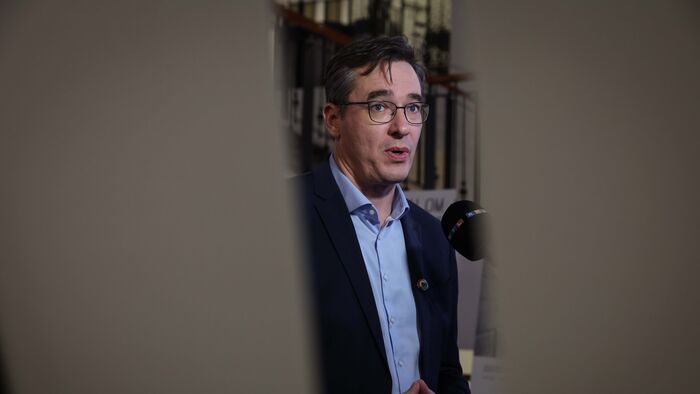
Cover photo: Miklos Szantho, Director General of the Center for Fundamental Rights, (Photo: Attila Polyak)
Ne maradjon le a Magyar Nemzet legjobb írásairól, olvassa őket minden nap!
- Iratkozzon fel hírlevelünkre
- Csatlakozzon hozzánk Facebookon és Twitteren
- Kövesse csatornáinkat Instagrammon, Videán, YouTube-on és RSS-en

A legfrissebb hírekért kövess minket az Magyar Nemzet Google News oldalán is!
Címoldalról ajánljuk
Tovább az összes cikkhez