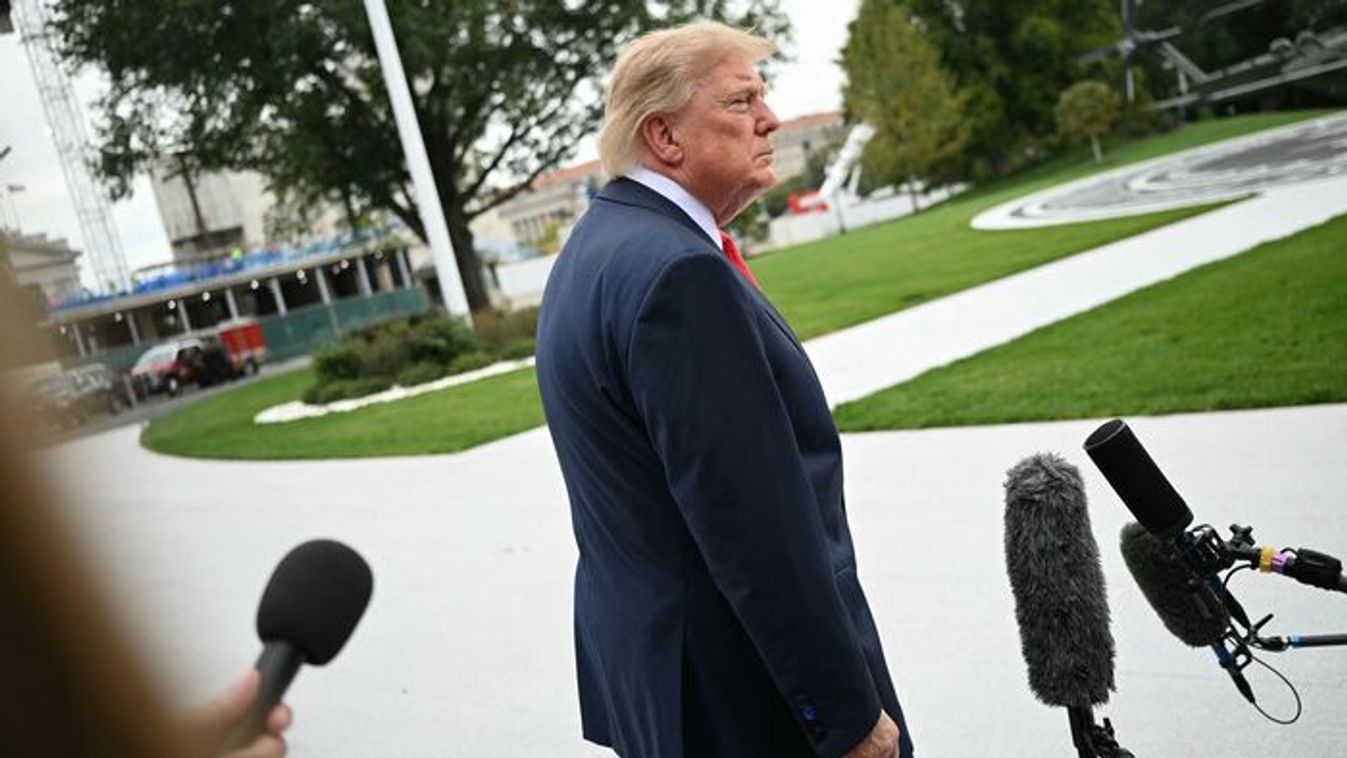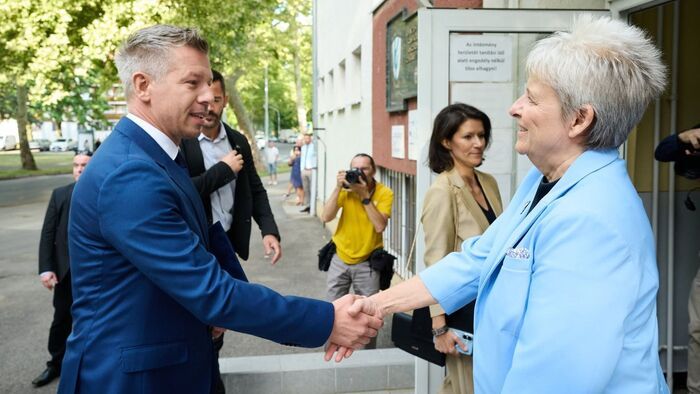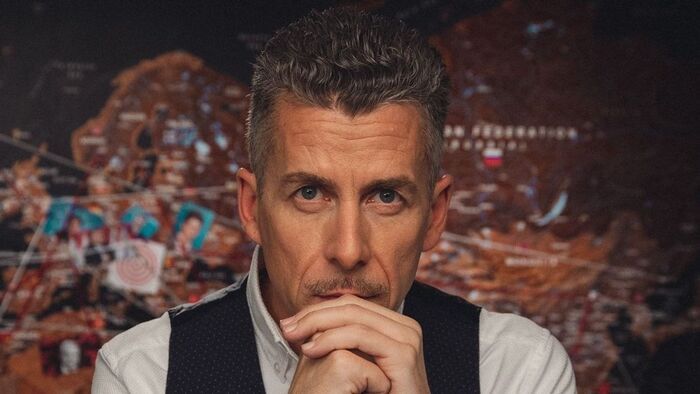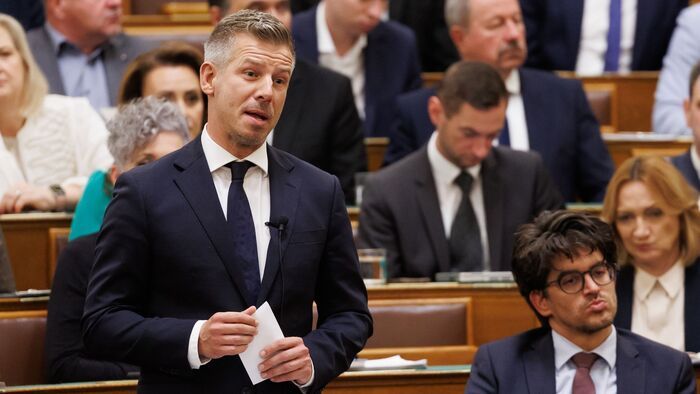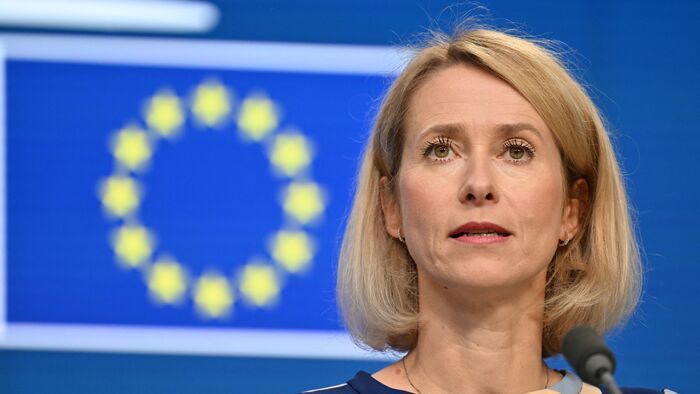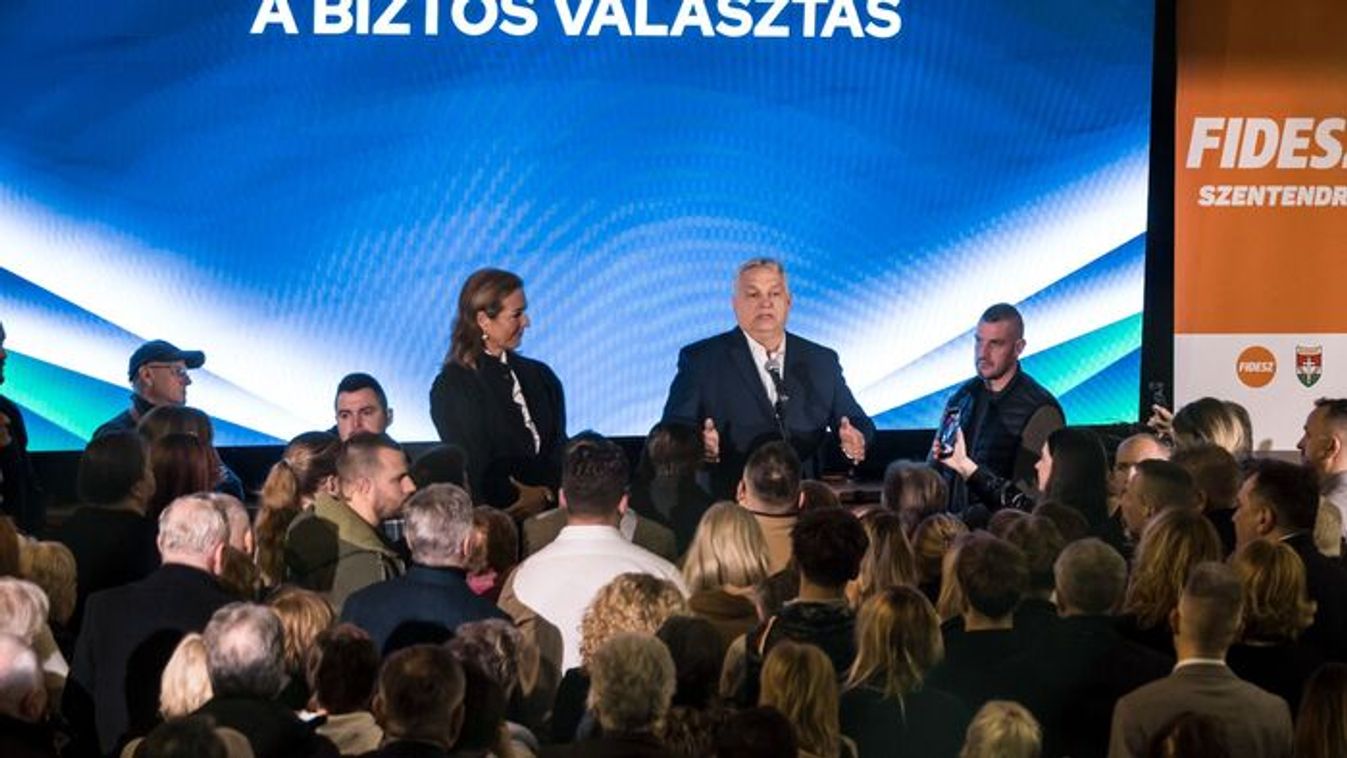
According to a video shared by political analyst Daniel Deak, at the campaign stop in Szentendre, PM Orban explained that the fresh analysis describes how to eliminate the barriers to Ukraine’s European Union membership by 2027. He emphasized that these “barriers” are not technical in nature but political—and that they essentially mean Hungary.

As previously reported, Politico published the five-point “Zelensky Plan,” designed to accelerate Ukraine’s planned EU accession by 2027.
The EU is considering granting Ukraine partial membership
so that it could take part in EU decision-making as soon as possible while continuing reforms required for full membership. Several elements of the plan explicitly address the prospect of a change of government in Hungary, expressing hope that if Peter Magyar, leader of the Tisza Party, were to become prime minister, all obstacles to Ukraine’s EU accession would be removed.
Ukraine’s EU Membership Would Make Europe Part of the War
According to the prime minister, Hungary’s position is clear and consistent: Ukraine’s accession to the European Union would mean Europe’s entry into the war. As he noted, there has never been a situation in which the EU admitted a country actively engaged in a war with an external power while other member states stood by passively.
In PM Orban’s words,
if Ukraine were an EU member today, Europe would already be a direct participant in the armed conflict.
For this reason, he stressed, it is a matter of survival that Ukraine not be admitted to either NATO or the European Union, because such a decision would plunge Europe into war by its own hand.
The prime minister summed up Hungary’s resistance by saying it is not obstructionism but a stand for peace: preventing Ukraine’s accession is also about preventing Europe from being pushed irreversibly onto a path toward war.
What Is the Zelensky Plan?
Based on Politico’s reporting, five steps have been identified to implement the plan:
- Preparing Ukraine: Several elements of the six negotiation 'clusters' have already been shared informally with Kyiv, with guidance on additional clusters to be presented in March. EU officials emphasize there will be no shortcuts on reforms; the real power of accession lies in transformation.
- Creating “EU Membership-Lite” (Partial Membership): The concept of reverse integration—raised even before Ursula von der Leyen—would grant rights and obligations gradually after accession. This would not lower standards but would send a political message to war-torn countries. Moldova seeks full membership as the end goal, while Albania is open to creative solutions (such as temporarily forgoing its own commissioner). Germany opposes multi-tier membership, fearing unmet promises, but support from France, Italy, and Poland could sway Berlin.
3: Wait for Viktor Orban’s departure: According to Politico, the biggest obstacle to accession is Viktor Orban, who can veto enlargement since unanimity is required. PM Orban opposes Ukraine’s accession, has called the country hostile, and considers it corrupt. With elections scheduled in Hungary in April, Brussels hopes that if Orban loses, a successor such as Peter Magyar might take a softer line and help usher Ukraine into the EU.


Szóljon hozzá!
Jelenleg csak a hozzászólások egy kis részét látja. Hozzászóláshoz és a további kommentek megtekintéséhez lépjen be, vagy regisztráljon!