Tisza Party Data Leak Scandal and Ties to Cyber Mafia in American–Ukrainian War Industry

Last year's unprecedented data leak involving the Tisza Party could raise serious national security concerns. The party led by Peter Magyar entrusted the development and operation of the Tisza Vilag application to a Ukrainian–American IT network made up of actors with interests not only in the digital economy but also in war infrastructure. This is a system that was closely linked to US government cybersecurity and intelligence structures during the Biden administration, while in Ukraine it functioned as an integral part of the military industry and law enforcement IT infrastructure. All this is clearly outlined in the latest report by the Sovereignty Protection Office.

2026. 01. 14. 17:37
Magyar Péter, Tisza Párt, SZDSZ

Havran Zoltán
VéleményhírlevélJobban mondva - heti véleményhírlevél - ahol a hét kiemelt témáihoz fűzött személyes gondolatok összeérnek, részletek itt.

At the end of last year, personal data of more than two hundred thousand users of the Tisza Vilag mobilization application became publicly accessible. Most of those affected were Hungarian citizens and voters. Names, phone numbers, email addresses, home addresses, and location data were leaked. This alone constitutes a serious data protection scandal. However, as pointed out in the Sovereignty Protection Office’s latest report, the background of the case reaches far deeper and into much darker territory.

The document reveals that among those with administrator and tester level access to the database were individuals connected to the FS Group, a cybersecurity corporate group and the PettersonApps, a software development company, including their employees. The Odessa-based FS Group and PettersonApps are not harmless IT firms. In the case of FS Group, the report describes a deliberately constructed two tier corporate network falling within the sphere of interest of US intelligence. One branch of the company, FS Group Development, came under direct American ownership, with the Pennsylvania-based Qintel as its sole owner. The Ukrainian entity of FS Group continues to win Ukrainian state contracts in the law enforcement and national security sectors. This structure serves precisely to merge American cyber technology with Ukrainian state infrastructure, while political and legal responsibility becomes blurred and opaque.

Where American and Ukrainian Intelligence Services Meet

The Sovereignty Protection Office pointed out that FS Group is not a civilian market supplier. Its contracts with the Ukrainian state include handling cybersecurity incidents, conducting penetration tests, and protecting law enforcement systems. Its clients include the Ukraine's Interior Ministry, the police, the energy sector, and the central bank. The company is deeply embedded in the IT Ukraine Association network, the umbrella organization through which the Ukrainian state and its foreign partners coordinate IT developments during the war. The CEO of FS Group previously worked for years as a criminal analyst at the Ukrainian Interior Ministry. This is not the world of startups, but the inner circle of the national security industry.

The American connection is not political exaggeration, but a fact supported by contracts, according to the report. Qintel received more than eleven million dollars in funding from US intelligence services to develop the CrossLink cyber intelligence and analytics platform. This system is not a simple data collection tool, but one that connects open online sources with internal government databases and enables continuous digital tracking. The government level, so called Deep version of CrossLink is also accessible to the Ukrainian police, with the FS Group participating in its operation. This is where American and Ukrainian intelligence apparatuses meet at the operational level. The contracts, valid until 2027, were signed during the Biden administration, and the platform remains in use to this day.

No Small-Time Players

The leadership of Qintel speaks for itself. The company is linked to a former FBI agent, a former director of the National Security Agency, and a former commander of United States Cyber Command. These are not minor figures, but individuals from the highest levels of digital warfare who have continued their work in the private sector.

According to the report by the Sovereignty Protection Office, PettersonApps is also an integral part of this chain. The company is a member of the Diia City program created by the Ukrainian state, which provides quasi offshore taxation, extremely flexible employment arrangements, and state protection for actors in the military IT sector. This structure is designed specifically to allow IT capacities to be mobilized quickly and with minimal oversight under wartime conditions. PettersonApps operates in this environment while openly participating in the technological support of Ukrainian military and paramilitary units, including the procurement of drones and robotic equipment. Its founder and CEO, Oleh Petrovych Ostroverkh, is an open supporter of the Zelensky government, and the company and its employees send weapons, including reconnaissance and combat drones, as well as military equipment to the front.

Ukrainian Military Unit Described As Neo-Nazi

Among the units supported by the company is the Da Vinci Regiment, previously known as the Da Vinci Wolves and now operating as an independent assault regiment. The unit is widely described as radical and extremely nationalist, and according to some sources, as neo-Nazi. While it fights as part of the Ukrainian armed forces, its past and the symbols it uses regularly draw criticism.

PettersonApps also maintains links with foundations involved in military equipment procurement, such as the Sternenko Community Fund and Defense Robotics UA, which supports the development of drone and robotic systems for the Ukrainian armed forces. Ostroverkh also sits on the board of the latter organization.

Interests Of Tisza and  Ukraine's Leadership Concur

According to the report, the digital background of the Tisza Vilag application was not operated by innocent subcontractors, but by a Ukrainian–American network simultaneously connected to Ukrainian intelligence and law enforcement structures, military industrial IT projects, and American military intelligence cyber technologies. If these actors indeed had access to the personal, contact, and location data of hundreds of thousands of Hungarian voters, this goes far beyond a data protection violation. This means that the Tisza Party created a highly valuable dataset suitable for detailed analysis and operational intelligence use, and exposed access to foreign companies with intelligence backgrounds, including Ukrainian and American actors. This is no longer a technological or data management issue, but a risk affecting Hungary’s sovereignty and national security.

From all this, the conclusion may also be drawn that the objective is clear: to influence the elections in Hungary using intelligence tools in cooperation with Ukrainian actors. Several figures in Hungarian public life have already stated that the signs suggest that the interests of Peter Magyar and Ukraine's current leadership point in the same direction in Hungary's domestic politics: the toppling of the national, sovereigntist government and the subordination of Hungary to the expectations of the pro-war Brussels elite. This is directly supported by an earlier statement by Ukraine's former Foreign Minister Dmytro Kuleba, who said that “right now everyone is praying and lighting candles in church for the Hungarian prime minister to lose the next elections.”

And if all this were not enough, just days ago ex-PM Gordon Bajnai appeared as a so called “kingmaker” behind Peter Magyar. Linked to the DatAdat company group, Gordon Bajnai was a central player in the rolling dollars scandal during the 2022 parliamentary elections. Yet despite attempts to interfere from abroad in the outcome of the Hungarian vote, the dollars amounting to billions of forints arriving from overseas did not bring about the removal of Hungary’s patriotic government.

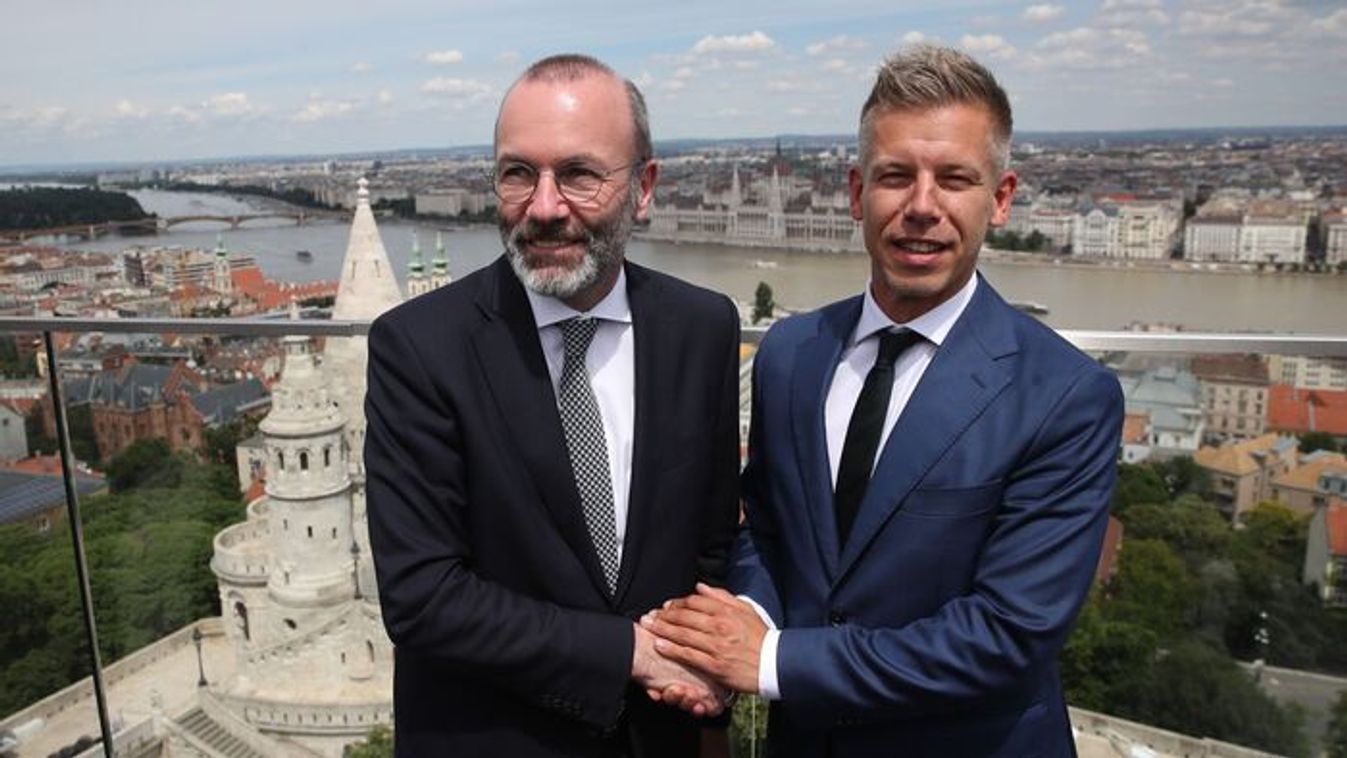
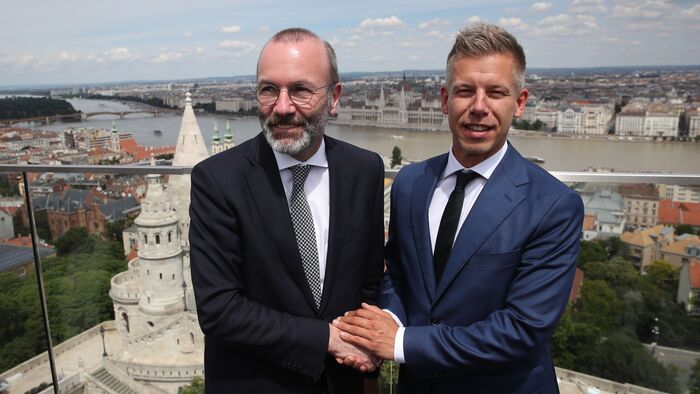
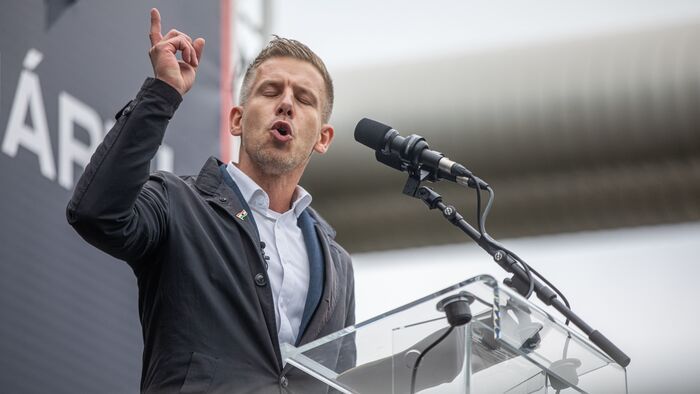
Cover photo: Peter Magyar, leader of the Tisza Party (Photo: Zoltan Havran)


Komment

Összesen 0 komment

A kommentek nem szerkesztett tartalmak, tartalmuk a szerzőjük álláspontját tükrözi. Mielőtt hozzászólna, kérjük, olvassa el a kommentszabályzatot.


Jelenleg nincsenek kommentek.

Szóljon hozzá!

Jelenleg csak a hozzászólások egy kis részét látja. Hozzászóláshoz és a további kommentek megtekintéséhez lépjen be, vagy regisztráljon!

A téma legfrissebb hírei

Tovább az összes cikkhez chevron-right

Ne maradjon le a Magyar Nemzet legjobb írásairól, olvassa őket minden nap!

Google News
A legfrissebb hírekért kövess minket az Magyar Nemzet Google News oldalán is!

Címoldalról ajánljuk

Tovább az összes cikkhez chevron-right

Portfóliónk minőségi tartalmat jelent minden olvasó számára. Egyedülálló elérést, országos lefedettséget és változatos megjelenési lehetőséget biztosít. Folyamatosan keressük az új irányokat és fejlődési lehetőségeket. Ez jövőnk záloga.