Magyar Seeks Momentum Through Generating Tension
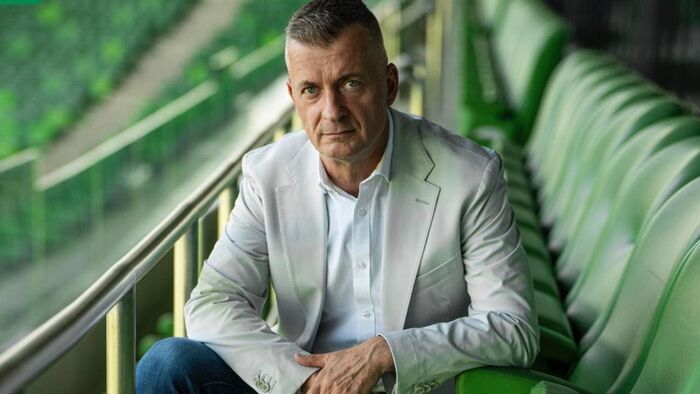
According to Janos Zila, Peter Magyar hopes that by generating tension at these events he can mobilize his own base. However, the analyst believes this strategy is failing more and more visibly. On the one hand, the repeated pattern is becoming increasingly boring in the eyes of voters.
On the other hand, the Tisza Party's real problem is that it is unable to meaningfully expand its voter base.
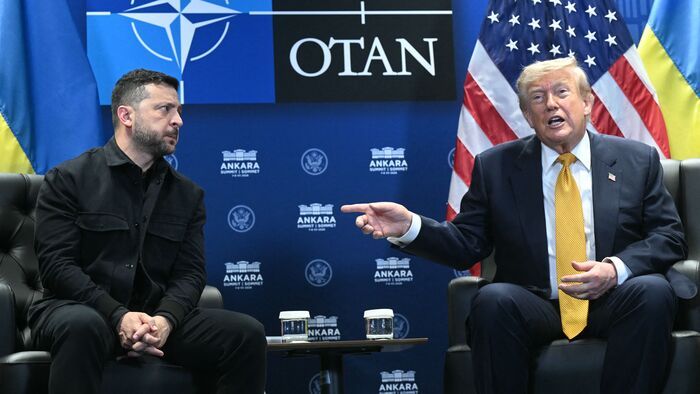
The expert added that while the Tisza's inner core remains active, centrist voters increasingly see Peter Magyar as a risk factor and are therefore gradually turning toward the right wing. A decisive role in this shift is played by the fact that Peter Magyar's allies are found in Brussels and Kyiv, and they think in terms of a war economy rather than peace, which creates a serious trust deficit around the Tisza Party.
Voters who are seeking physical and financial security consider Peter Magyar anything but reliable on crucial issues such as war, migration, or tax policy.
As elections approach, people increasingly turn toward issues that fundamentally shape their future.
Janos Zila took the view that due to his dependence on Brussels, Peter Magyar is incapable of giving reassuring answers to these questions and therefore he is not seen as a sovereign political leader. The analyst finally emphasized that Peter Magyar's attempts to copy Viktor Orban in formal elements cannot be regarded as meaningful political responses. These efforts offer no real alternative and are unable to compensate for the shortcomings in credibility and strategy facing the Tisza Party.
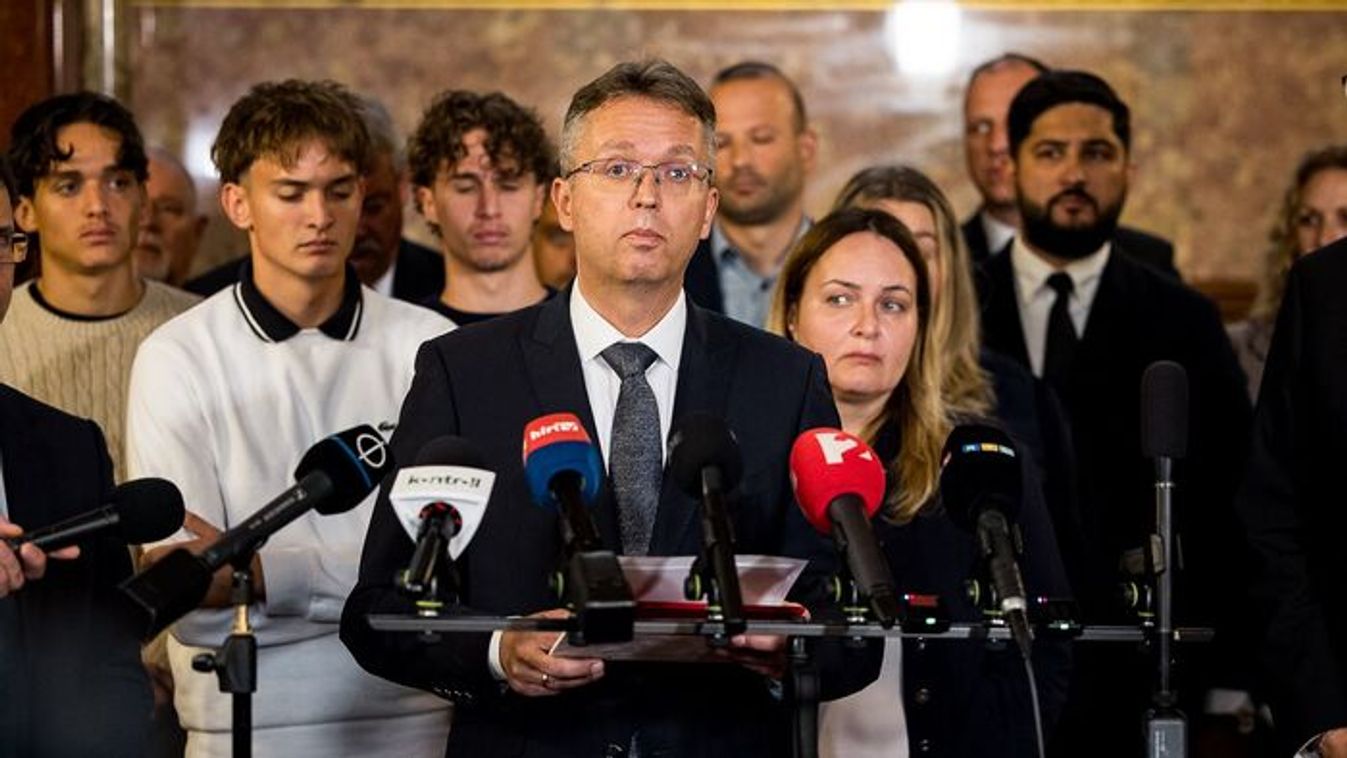
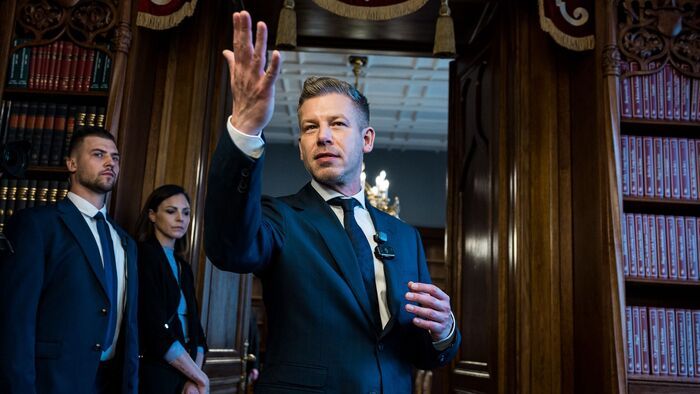
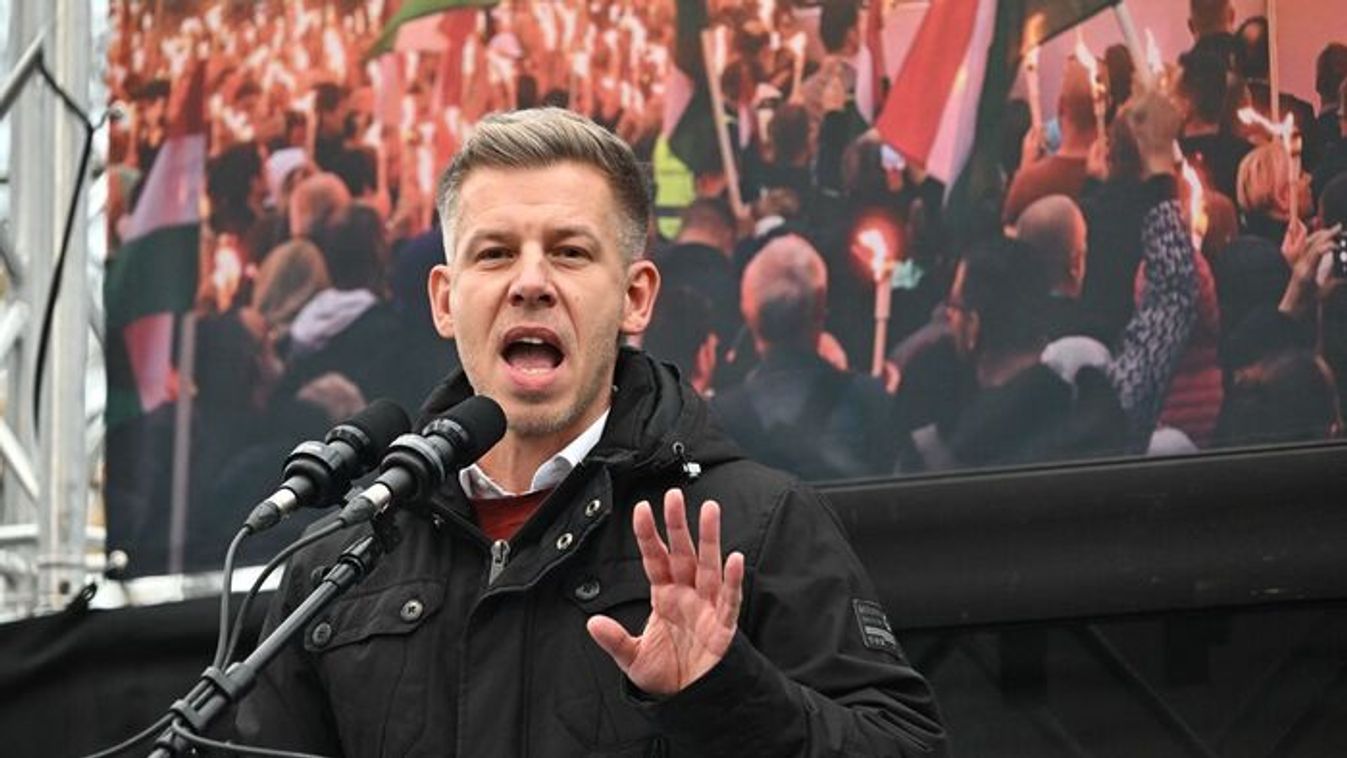
Cover photo: Peter Magyar, leader of the Tisza Party (Photo: Balazs Hatlaczki)